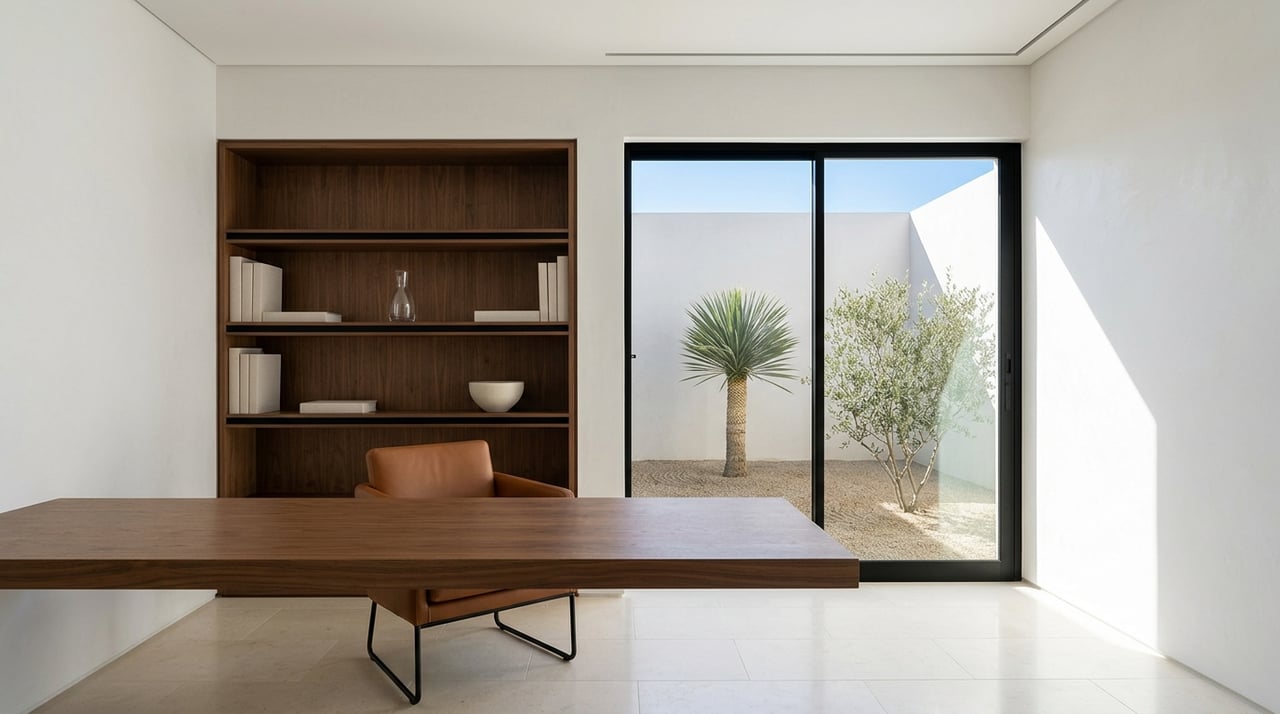
Financing A Luxury Second Home In Palm Desert
May 7, 2026
May 7, 2026
Thinking about buying a luxury second home in Palm Desert? The financing can look simple at first, then get complicated fast once you factor in jumbo loan thresholds, reserve requirements, down payment strategy, and the difference between a true second home and an investment property. If you want to protect your flexibility and make a smart purchase plan, understanding the financing landscape upfront can save you time, money, and stress. Let’s dive in.
Palm Desert sits in the Coachella Valley, where many second-home buyers are shopping in price ranges that can quickly push financing beyond standard conforming limits. For 2026, Riverside County’s one-unit conforming loan limit is $832,750, which means loan amounts above that line are considered jumbo or non-conforming.
That matters because the financing path you choose can affect your down payment, interest cost, reserve requirements, and even how much documentation a lender will ask for. In the luxury segment, a small shift in price or loan structure can change the entire deal.
Most buyers looking at a luxury second home in Palm Desert end up considering one of three routes. The right fit usually depends on your target price point, how much cash you want to keep available, and whether the property clearly qualifies as a second home.
A conventional second-home mortgage can work well if the property is truly a second residence and the loan amount stays within conforming limits. Agency rules generally require the home to be a one-unit property, suitable for year-round occupancy, under your exclusive control, and occupied by you for part of the year.
It also cannot function as a rental property or timeshare for this loan purpose. Freddie Mac’s general purchase and no-cash-out limit for a second home is 90% loan-to-value, which lines up with the common 10% down structure many buyers look for.
If you put less than 20% down, conventional financing typically includes mortgage insurance. That does not always make the loan a bad option, but it does raise your monthly cost and should be part of your comparison.
If your loan amount goes above Riverside County’s conforming limit, you are in jumbo territory. In Palm Desert’s luxury market, that is common.
Jumbo loans vary by lender, but they often come with stricter expectations around credit, down payment, and reserves. They can also cost more than conforming loans, so it is important to compare terms carefully and not assume the first offer is the best one.
Some buyers use a HELOC or home equity loan on their primary residence to boost their down payment or expand their purchase budget. This can help you keep more flexibility when buying a second home, especially if you want to avoid a larger jumbo balance.
That said, a HELOC or home equity loan is a second mortgage. It adds debt, may carry a higher interest rate, and increases your overall risk because it is tied to your existing home.
Second-home financing is not just about income. Lenders usually look at the full picture, including your credit, debt, assets, reserves, and the consistency of your earnings.
CFPB guidance notes that buyers are typically in the strongest position when they can show at least two years of regular, steady income, good credit, limited long-term debt, and enough savings for both closing costs and ongoing ownership expenses. For a luxury second home, that last point matters more than many buyers expect.
Once you apply and move forward, lenders may ask for documents to verify your finances and source of funds. A typical file may include:
If you are self-employed or have irregular income, expect extra requests. That does not mean your deal is weak. It usually means the lender needs a clearer paper trail.
For second-home financing, lenders often want to see reserves after closing. Fannie Mae’s DU calls for two months of reserves on a second-home transaction, and more may be required if you own multiple financed properties.
In practical terms, that means your lender may want proof that you can still cover housing payments even after you close. For luxury buyers who already carry mortgages elsewhere, this can become a key approval factor.
Your monthly payment is only part of the story. In California, property tax is generally 1% of taxable value plus voter-approved indebtedness, and a change of ownership or new construction can trigger a supplemental assessment.
For Palm Desert buyers, a realistic monthly ownership estimate should include:
That full-cost view matters when you are comparing a lower-down-payment option against a larger cash investment. A loan structure that looks attractive at first may feel very different once taxes, insurance, and community costs are added in.
This is one of the most important distinctions in the process. A property has to genuinely qualify as a second home if you want second-home financing.
Fannie Mae generally requires that the home meet second-home occupancy standards, and rental income from your principal residence or second home cannot be used to qualify. A property may still be eligible as a second home if rental income is not used for qualification and the occupancy rules are met, but the label has to be real.
If the property is rented enough that it fails the IRS use test, it becomes rental property instead. That shift can change your financing options and often makes agency loan terms less flexible.
Freddie Mac’s general purchase and no-cash-out loan-to-value cap is 90% for a one-unit second home but 85% for a one-unit investment property. That difference can affect your minimum down payment and your overall financing strategy.
In other words, if you are planning to use the home primarily as a getaway for yourself, your loan path may look very different than if the property will operate more like an income-producing asset. Clarity early on helps prevent surprises later.
Some buyers ask whether FHA or VA financing can be used for a luxury second home. In most second-home scenarios, these are not the main options.
HUD limits FHA single-family programs to owner-occupied principal residences, and VA requires the home to be for the borrower’s own personal occupancy. For a Palm Desert second home, conventional or jumbo financing is usually the more relevant path.
If you want flexibility when buying a luxury second home in Palm Desert, your decision usually comes down to three questions: Can you stay within conforming limits, do you need a jumbo loan, or should you use equity from your primary home to improve your position?
There is no one-size-fits-all answer. The cleanest financing structure depends on whether the property is truly a second residence, how much liquidity you want to preserve, and how many other financed properties you already own.
For some buyers, the best move is staying within conforming second-home guidelines and using a straightforward down payment structure. For others, especially in higher price ranges, jumbo financing or a larger equity-based down payment may create a stronger overall outcome.
Before you start touring homes in Palm Desert, it helps to get organized. A little prep can make your offer stronger and your financing process much smoother.
This prep is especially helpful if you are buying from Orange County, another Southern California market, or out of state. When you understand the financing side first, you can focus your home search on the right opportunities.
Buying a luxury second home in Palm Desert should feel exciting, not confusing. When your financing plan matches your goals, you can shop with more confidence, move faster when the right property appears, and avoid costly surprises along the way.
If you want local guidance on Palm Desert neighborhoods, luxury inventory, and how to approach your search with a clear plan, The Jordan Team is here to help.
Palm Springs
How summer heat, winter seasonality, home maintenance, carrying costs, community rhythm, and California residency questions change when the desert is your primary home… Read more
Construction is underway near Highway 111, but sales have not opened yet. Here is what Shea Homes has published so far about pricing, home sizes, architecture, ameniti… Read more
Palm Springs
What buyers should know about everyday driving, I-10 vs. Highway 111, seasonal congestion, event traffic, weather closures, transit, and testing real routes before cho… Read more
With ten years of experience as a licensed agent, Tommy is an innovator in utilizing social media marketing to help sell homes. He has a successful YouTube channel with thousands of subscribers, generating hundreds of thousands of views yearly. He stays updated on the latest marketing techniques and ensures each property stands out.
Contact Tommy to Learn More
74801 Hovley Ln E. Palm Desert, CA 92260 Tommy Jordan | CA DRE# 01887038