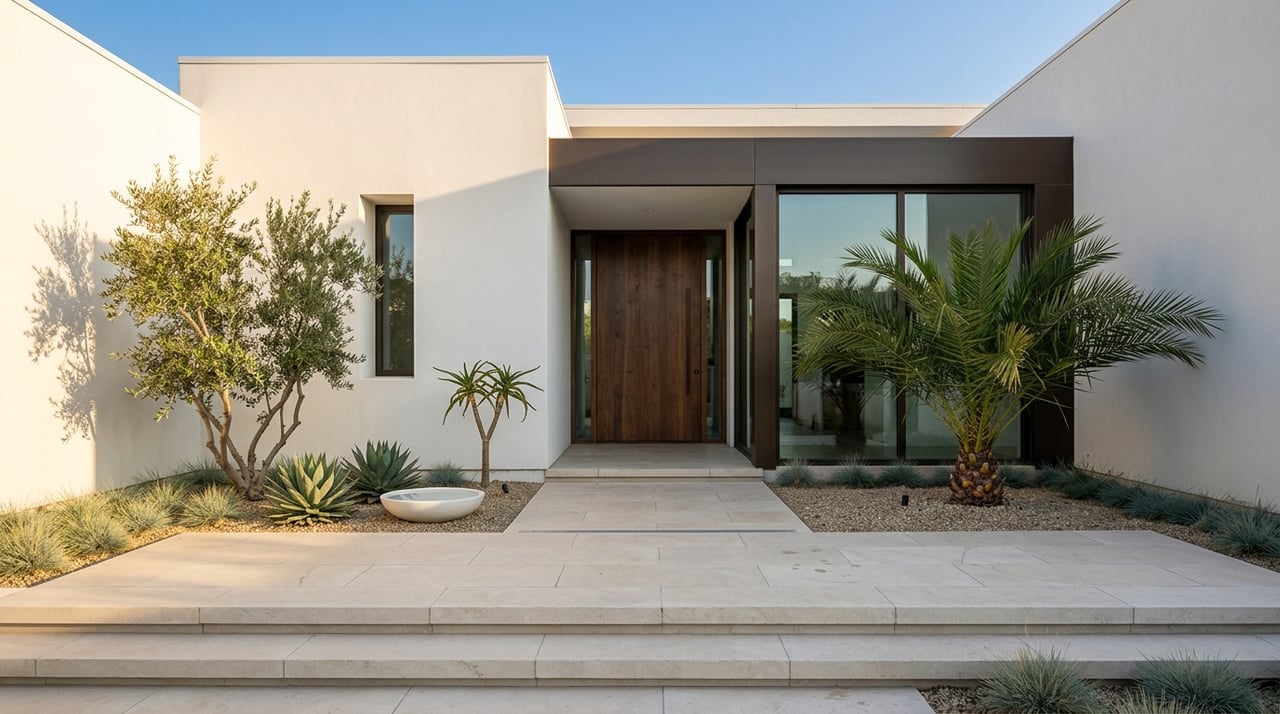
From Newport Coast To The Desert: How To Choose Your Second Home
May 14, 2026
May 14, 2026
If you love the easy coastal rhythm of Newport Coast, choosing a second home in the desert can feel both exciting and surprisingly complicated. You are not just picking a house. You are choosing a different climate, a different pace, and a different style of ownership. This guide will help you compare the key desert markets, understand pricing and rental rules, and narrow in on the right fit for how you plan to use your second home. Let’s dive in.
The biggest shift from Newport Coast to the desert is not cosmetic. It is practical. Using Newport Beach Harbor as a coastal proxy, average monthly highs stay in the mid-60s to mid-70s, with 9.43 inches of annual precipitation.
Palm Desert tells a very different story. It reports an average July high and low of 106 and 79 degrees, a mean temperature of 73.1 degrees, and just 3.38 inches of annual rainfall. In simple terms, a desert second home means saying yes to a much hotter and much drier lifestyle than what you are used to on the coast.
Access is often easier than buyers expect. The drive from Newport Beach to Palm Desert is about 2 hours and 4 minutes under typical traffic conditions. Palm Springs International Airport is also about two miles from downtown Palm Springs and offers nonstop service to 32 airports, plus one-stop access to more than 300 global cities.
That combination matters. If you want a place you can actually use for quick weekends, longer seasonal stays, or flexible travel, the desert is often more convenient than it looks on a map.
Not every desert city feels the same. Some are built around daily convenience and variety. Others lean more heavily into golf, club living, or a luxury resort atmosphere.
Your best move is to choose the city first, then the neighborhood. That approach helps you avoid falling for a property that does not really fit how you want to spend your time.
Palm Desert is often the most versatile option for second-home buyers. The city describes itself as the valley’s central shopping, entertainment, and business hub, with El Paseo, McCallum Theatre, The Living Desert, and Desert Willow Golf Resort as major anchors.
It also has a strong seasonal pattern, with 32,000 seasonal residents and 350 days of sunshine. For many Orange County buyers, that creates a practical middle ground. You get a true desert lifestyle, but with an everyday services base that can feel easier and more flexible for frequent use.
If you want a home base that supports dining out, errands, shopping, entertainment, and golf without depending on a single club environment, Palm Desert is a strong place to start.
La Quinta is a natural fit if your vision of a second home starts with golf and resort energy. The city highlights more than 20 golf courses, including SilverRock, PGA West, and La Quinta Resort & Club, along with a large winter and spring seasonal population.
That identity shapes the feel of the market. You will find a broad range of neighborhoods, from more approachable price points to ultra-luxury estates, all within a city that strongly embraces outdoor use and seasonal living.
If you picture your second home as a place centered on tee times, resort amenities, and an active seasonal calendar, La Quinta deserves a close look.
Indian Wells is the most club-focused of the four markets in this comparison. The city notes six residential country clubs, each with golf and additional amenities, and it also highlights the Indian Wells Golf Resort and Indian Wells Tennis Garden.
This is a more exclusive, luxury-forward environment overall. While there are some lower entry points in the market, Indian Wells has the highest median listing price of the group, which reflects its stronger premium positioning.
If you want a second home that prioritizes private club access, tennis, golf, and a more refined residential setting, Indian Wells may be the right fit.
Rancho Mirage offers a different kind of appeal. It blends luxury resorts, desert-modern and mid-century character, and a long country club history that still shapes many of its neighborhoods today.
The city and local historic survey point to well-known destinations like the Ritz-Carlton Rancho Mirage and Sunnylands, along with the broader legacy of classic golf-course communities. For many buyers, Rancho Mirage feels like a balance point between Palm Desert’s flexibility and Indian Wells’ luxury emphasis.
If you want architectural character, resort atmosphere, and club-oriented living without automatically reaching the highest pricing tier, Rancho Mirage can be a compelling option.
City choice can change your budget before you even narrow down to a specific neighborhood or community. Based on current median listing prices, the general order is:
That is a useful starting point for Newport Coast buyers. It shows that your first pricing decision is often not the home itself, but the city you choose.
There is also meaningful price spread within each city. In Palm Desert, examples range from Palm Desert Resort at $379,000 to Indian Ridge Country Club at $1.275 million. In La Quinta, examples range from Mountain Cove at $434,500 to Country Club of the Desert at $17.5 million.
Indian Wells and Rancho Mirage also show wide internal ranges. That means you should avoid broad assumptions based only on a city name. In the desert, one neighborhood can feel very different from the next in both price and lifestyle.
The purchase price is only part of the story. A second home often comes with ongoing costs that shape the real ownership experience.
In particular, Rancho Mirage’s housing element notes that many country clubs and gated communities have mandatory HOA fees. Those costs can materially change the true carrying cost of a second home, especially if you are comparing a club community to a more flexible non-club option.
This is one reason lifestyle and budget should be reviewed together. A lower purchase price does not always mean lower monthly ownership costs.
Some second-home buyers want personal use only. Others want the option to offset costs with occasional rental income. If that is part of your plan, city rules matter a lot.
The median rent ladder roughly follows the prestige ladder. Current median rents are about $4,500 in Palm Desert, $6,200 in Rancho Mirage, $7,500 in La Quinta, and $8,500 in Indian Wells.
That can be attractive on paper. But rental potential should never be separated from local short-term rental rules and HOA restrictions.
This is one of the most important parts of the search. Before you assume a property can be rented, you need to verify both city rules and community rules.
Palm Desert defines a short-term rental as 27 consecutive nights or less. The city requires a permit, prohibits short-term rentals in R1 and R2 zones except for on-site owner permits, charges a $29 permit fee, and applies an 11 percent TOT plus a 1 percent TBID component.
For buyers who want flexibility, Palm Desert can work well, but only if the specific property and zoning line up with your intended use.
La Quinta has a formal short-term vacation rental program with paperless online forms. The key takeaway is simple: verify permit eligibility and HOA rules before you buy.
That is especially important in a city with so many resort-oriented neighborhoods. A home that looks ideal for occasional rental may still face restrictions at the city or HOA level.
Indian Wells is one of the more restrictive markets for short-term rentals. New short-term rental licenses generally require a 29-night minimum, with a limited exception around the tennis tournament.
The city also requires a 24/7 local contact, imposes a quarterly TOT of 12.25 percent, and requires renters to receive a Good Neighbor Brochure. If rental flexibility is high on your list, Indian Wells may not be the easiest match.
Rancho Mirage defines short-term rentals as 27 days or less. They are allowed only in residential single-family homes or condos in HOAs that do not prohibit them, and the city levies a 10 percent occupancy tax.
This again highlights why HOA review matters. In Rancho Mirage, the property itself may qualify, but the association rules can still shape what is possible.
If you are deciding between Newport Coast and a desert second home lifestyle, try narrowing your options with four questions:
How often will you use it?
Frequent weekend use may favor the most convenient and flexible locations.
What do you want your days to look like?
Shopping, dining, and daily services point one way. Golf, tennis, and club life may point another.
Do you want rental flexibility?
If yes, review city rules and HOA limits before you get attached to a property.
What is your full ownership budget?
Include not just the price, but also taxes, HOA dues, and any rental compliance costs.
These questions help turn a broad dream into a practical buying strategy.
For many Newport Coast buyers, the right answer comes down to how you want the home to function.
Palm Desert is often the best fit if you want versatility, day-to-day convenience, and a wide range of housing options. It is a strong all-around base for buyers who want to enjoy the desert without locking into a single lifestyle lane.
La Quinta makes sense if you want a golf-first second home with strong seasonal energy and broad neighborhood choice. It offers a wide pricing spectrum and a city identity built around resort-style living.
Indian Wells fits buyers who prioritize club life, tennis, golf, and a more exclusive luxury environment. It is the clearest luxury play of the four, but also one of the most restrictive for short-term rental use.
Rancho Mirage is a strong choice if you want resort luxury, architectural personality, and club-oriented living with pricing that can sit below Indian Wells. It is especially important here to review HOA costs and rental rules early.
The best second home is not always the one with the flashiest entrance or biggest view. It is the one you will use, enjoy, and feel confident owning.
If you are coming from Newport Coast, the desert can be an incredible complement to your coastal lifestyle. You just want to choose with clear eyes about climate, access, pricing, and rental rules. If you want local guidance on Palm Desert, La Quinta, Indian Wells, or Rancho Mirage, connect with The Jordan Team for a video consultation and a clearer plan for your next move.
Palm Springs
How summer heat, winter seasonality, home maintenance, carrying costs, community rhythm, and California residency questions change when the desert is your primary home… Read more
Construction is underway near Highway 111, but sales have not opened yet. Here is what Shea Homes has published so far about pricing, home sizes, architecture, ameniti… Read more
Palm Springs
What buyers should know about everyday driving, I-10 vs. Highway 111, seasonal congestion, event traffic, weather closures, transit, and testing real routes before cho… Read more
With ten years of experience as a licensed agent, Tommy is an innovator in utilizing social media marketing to help sell homes. He has a successful YouTube channel with thousands of subscribers, generating hundreds of thousands of views yearly. He stays updated on the latest marketing techniques and ensures each property stands out.
Contact Tommy to Learn More

74801 Hovley Ln E. Palm Desert, CA 92260 Tommy Jordan | CA DRE# 01887038