
Your Guide to Buying at The Vintage Club in Indian Wells
February 5, 2026
February 5, 2026
You know The Vintage Club is special. The privacy, the pedigree, the level of service — it all sets a high bar. If you are weighing a purchase here, you likely want clarity on membership, total costs, and what the buying process looks like inside an ultra private club. This guide gives you a clear, step by step view so you can move forward with confidence. Let’s dive in.
The Vintage Club is an ultra private, member owned country club community in Indian Wells known for discretion, security, and world class amenities. You will find championship level golf, resort style wellness and dining, and a deep social calendar designed for high net worth members.
Homes here are custom estates and villas on larger lots. Architecture varies and finish levels are often top tier. Privacy and exclusivity drive demand, and inventory tends to be limited compared to the broader market.
For many buyers, the choice is not just about a house. It is about a club lifestyle and the certainty that comes with a well run, well funded community.
Membership and real estate ownership are connected but separate decisions. You should confirm whether a club membership is required to purchase or occupy a home. Some clubs require buyers to apply, interview, and receive approval before closing. Others may allow a transferable membership with the sale. Clarify sponsor letters, approval steps, and timing before you write an offer.
Memberships can be equity or non equity. Ask whether a membership can be transferred with the property or whether you must apply as a new member. Also confirm who gets privileges, including spouses, partners, dependents, and long term guests.
Expect a one time initiation fee, plus annual or seasonal dues. There may be food and beverage minimums, cart or guest fees, locker fees, and tournament fees. Some clubs charge transfer fees when a membership changes hands. Special assessments can occur for course or campus improvements, so ask for recent examples.
Do not rely on an old brochure. Fees change over time. Get the current schedule from the club or membership office during your due diligence.
Most homes inside The Vintage Club pay HOA dues that cover landscaping in common areas, gate and security operations, private roads, and community services. Review the HOA budget and reserve study to see if reserves are healthy and whether any capital projects are planned. Ask about the history of special assessments.
Understand the rules. Private communities often have strict standards for exteriors, landscaping, noise, and guest use. These rules can affect remodeling plans and how you use the home.
California property taxes generally follow Proposition 13, which starts near 1 percent of assessed value plus voter approved charges. Your assessed value typically resets at purchase and can be reassessed after major renovations. For exact numbers, check Riverside County records.
Large estates require robust coverage. You may need higher limits for structure and liability, and separate riders for high value contents or collections. If you finance with a jumbo loan, your lender may require specific coverages. Review natural hazard disclosures and check flood, fire, and earthquake exposure, since that can affect premiums and availability.
Include a membership contingency with a clear approval window. Ask for enough time to review club and HOA documents. Escrow for luxury properties often targets 30 to 60 days. If membership approval or complex reviews are needed, plan for 60 to 90 days.
Order full home inspections, including structural, roof, mechanical, plumbing, electrical, and pest. Add specialized inspections common for estates, such as pool and spa systems, irrigation, landscape and water features, elevator, solar, and environmental or soils if applicable.
Custom estates can be tough to appraise. Coordinate early with your lender to choose an appraiser who understands club communities and can use broader comp sets when needed.
Many purchases here are all cash, but jumbo loans are common too. Lenders usually require larger down payments, proof of reserves, and a review of HOA and club financials. A financially strong HOA makes underwriting easier.
High net worth buyers often use an entity or a trust for privacy and estate planning. Before you go this route, confirm the club’s policies on entity ownership and how it affects membership eligibility. Also review how property taxes and reassessment will work after transfer. Coordinate with your tax and estate advisors early.
Have your agent and, if needed, a real estate attorney review recorded easements, deed restrictions, and land use rules that could limit renovations or future plans. Ask about any pending HOA or club litigation, since that can affect assessments and resale value. Confirm transfer taxes and recording fees so you know your closing costs.
Private clubs often limit short term rentals or require guest registration. Minimum stay rules are common. If you plan occasional leasing or frequent guest use, verify all policies with the club and HOA before you buy.
Comparable sales inside ultra private clubs are limited. Pricing and appraisals often require comps from nearby luxury communities with careful adjustments. The home’s condition, improvements, and membership status can drive large differences in value, so document those factors clearly.
Buying at The Vintage Club blends a significant real estate purchase with an equally important membership decision. The right guidance keeps your timeline on track and protects you from surprises. If you want a clear plan, remote friendly tours, and a smooth close, reach out to The Jordan Team to Schedule a Video Consultation. We combine local club expertise with high quality media and a concierge process to help you buy with confidence in Indian Wells.
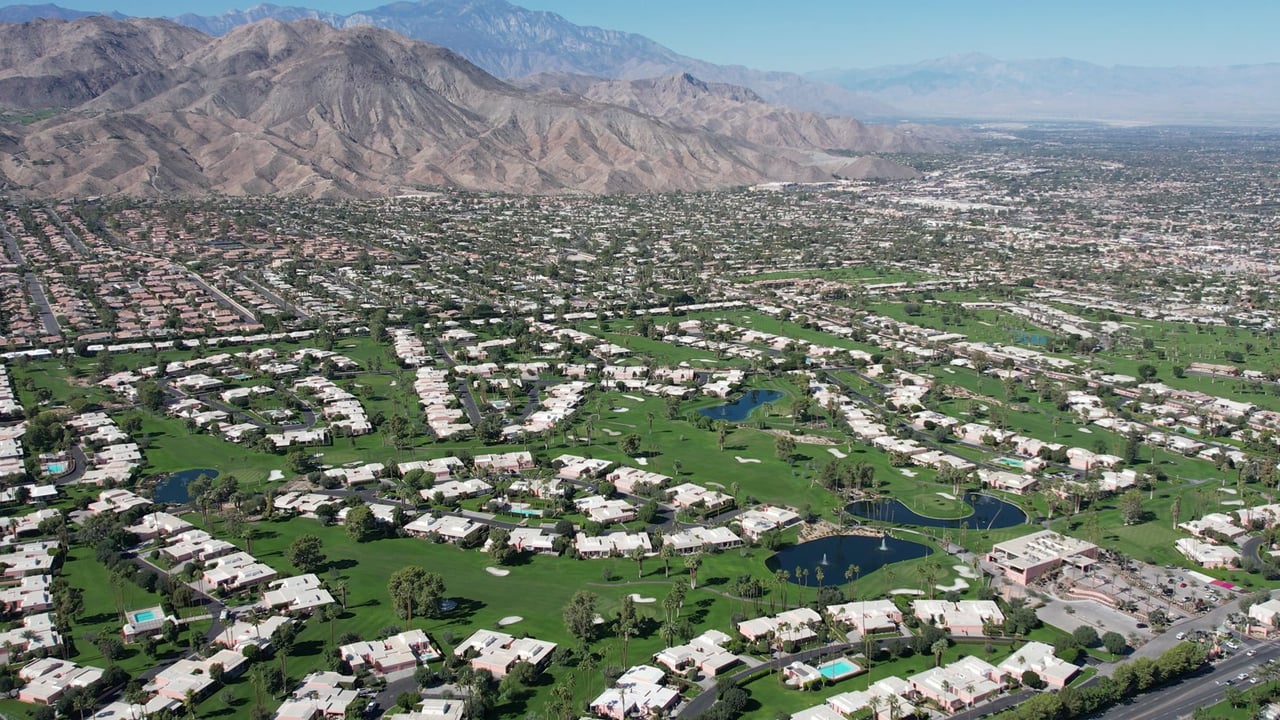
Palm Springs
How summer heat, winter seasonality, home maintenance, carrying costs, community rhythm, and California residency questions change when the desert is your primary home… Read more
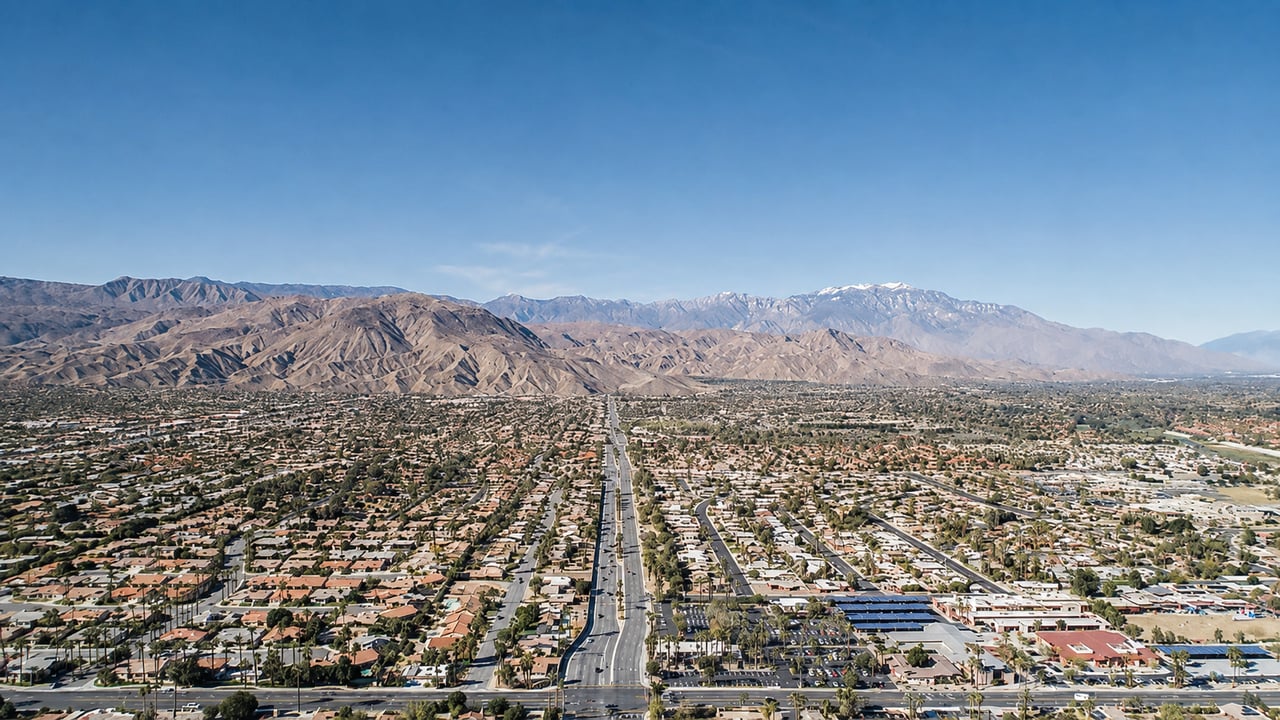
Construction is underway near Highway 111, but sales have not opened yet. Here is what Shea Homes has published so far about pricing, home sizes, architecture, ameniti… Read more
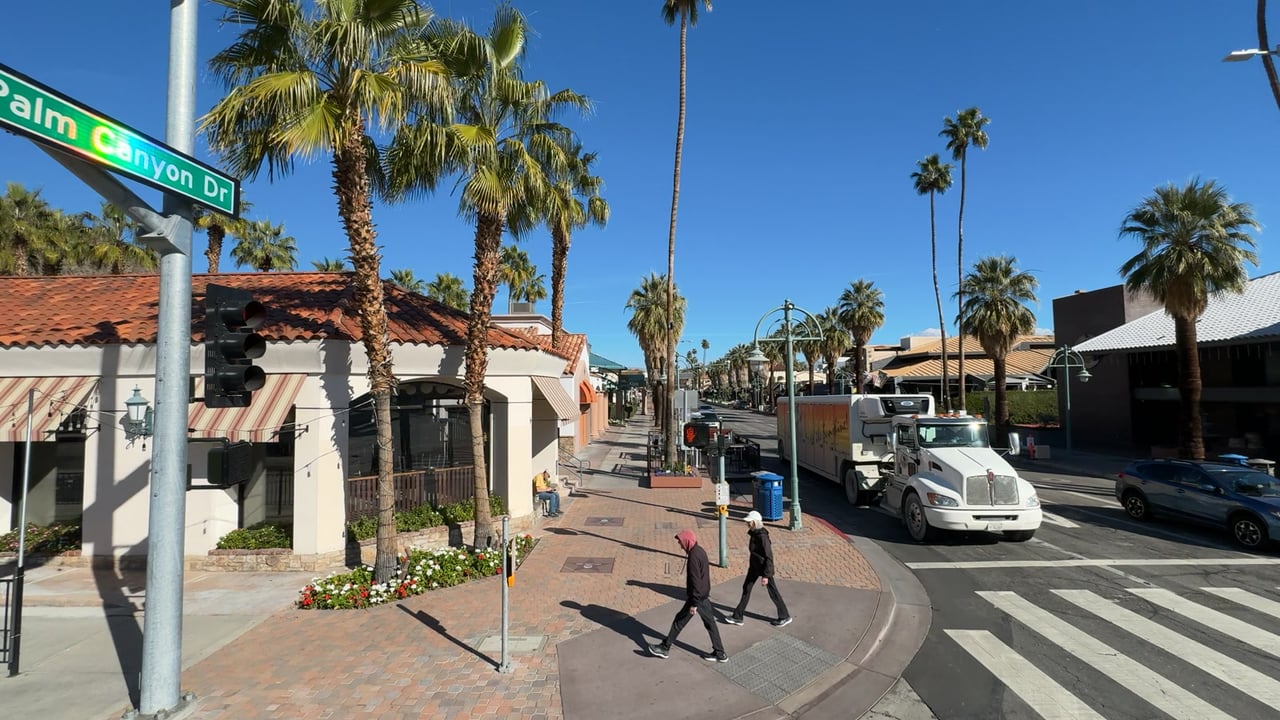
Palm Springs
What buyers should know about everyday driving, I-10 vs. Highway 111, seasonal congestion, event traffic, weather closures, transit, and testing real routes before cho… Read more
With ten years of experience as a licensed agent, Tommy is an innovator in utilizing social media marketing to help sell homes. He has a successful YouTube channel with thousands of subscribers, generating hundreds of thousands of views yearly. He stays updated on the latest marketing techniques and ensures each property stands out.
Contact Tommy to Learn More

74801 Hovley Ln E. Palm Desert, CA 92260 Tommy Jordan | CA DRE# 01887038