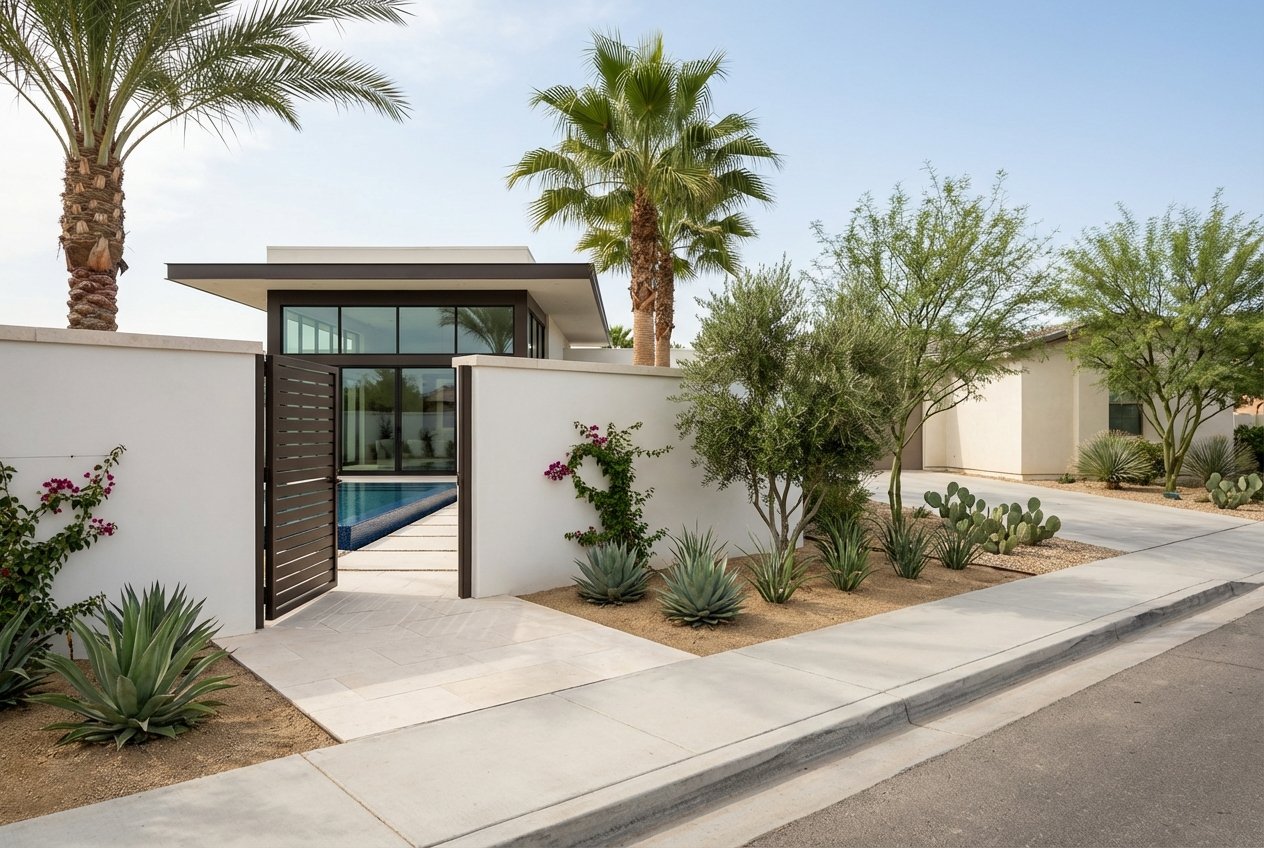
Thinking about a Palm Desert address and torn between the ease of a country‑club gate and the freedom of a non‑gated neighborhood? You are not alone. Buyers here often balance amenities, dues, rules, and resale before they pick a lane. In this guide, you will see the key tradeoffs, realistic cost ranges, local examples, and a simple due diligence checklist so you can choose with confidence. Let’s dive in.
Palm Desert market snapshot
Recent MLS and aggregator snapshots show citywide median sale prices in the mid‑$500,000s to mid‑$600,000s. One January 2026 snapshot reported about $635,000. Treat that as context only. Your decision should rely on neighborhood‑level comps, not a citywide median.
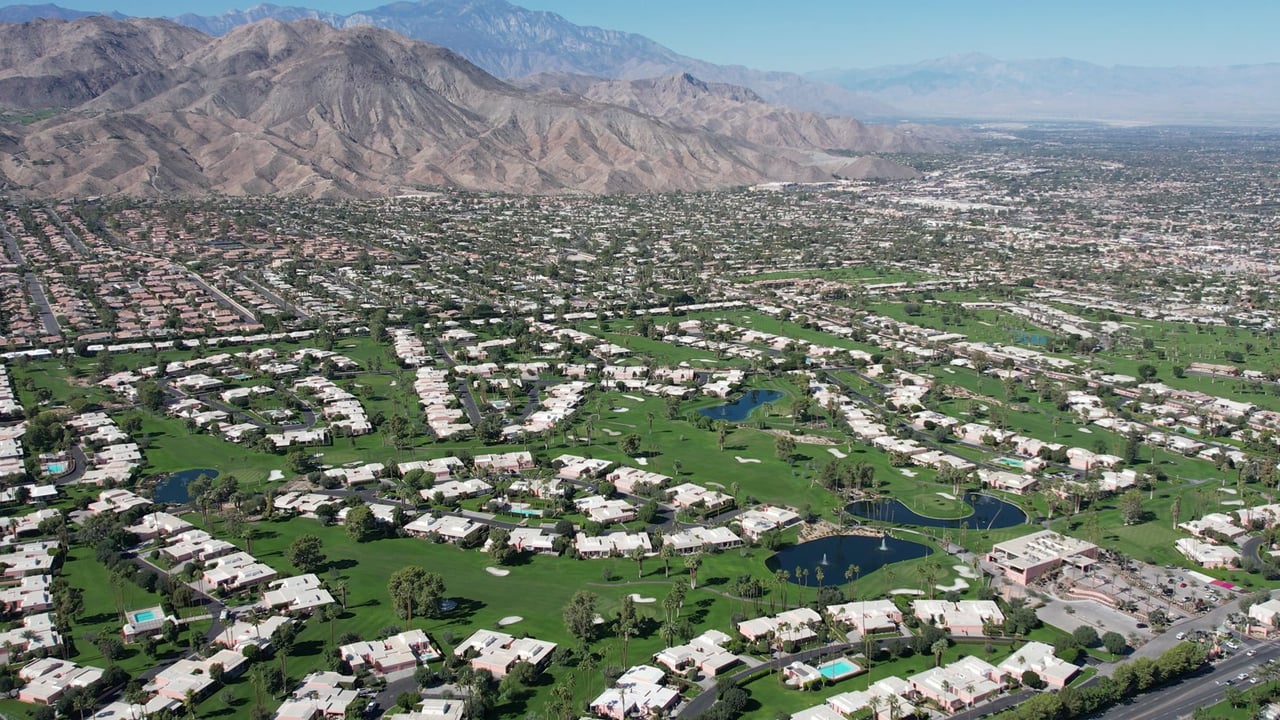
Palm Desert offers a wide mix of options: active‑adult developments, guarded gated golf and country‑club communities, and many non‑gated single‑family neighborhoods with or without HOAs. Your best fit comes down to how you want to live day to day and what you want to spend each month.
Country clubs vs non‑gated at a glance
Monthly and up‑front costs
- HOA dues vary by community and property type. Typical local ranges:
- Minimal or no HOA in older single‑family areas: about $0 to $100 per month.
- Condos or townhomes with basic amenities: about $150 to $400 per month.
- Mid‑tier planned single‑family communities: about $300 to $800 per month.
- Amenity‑rich gated golf or full‑service country‑club communities: commonly $600 to $2,500+ per month.
- Country‑club membership and initiation fees are community‑specific. Some clubs bundle social privileges into HOA dues. Others charge separate initiation and annual dues for golf or club access. Fees can range from a few thousand to tens of thousands of dollars depending on exclusivity and benefits.
- Special taxes, often called Mello‑Roos or Community Facilities District (CFD) taxes, may apply in some newer subdivisions. These show up on your property tax bill and are separate from HOA dues.
Practical tip: When you compare a gated club home to a non‑gated home, add HOA dues, expected club dues, and any Mello‑Roos tax to your monthly budget.
Amenities and maintenance
- Country‑club communities typically offer golf, clubhouse dining, fitness centers, multiple pools, tennis or pickleball, social programs, gate or guard services, and landscaping of common areas. Many condo or villa products also include exterior building maintenance. You pay for this convenience through HOA and membership dues.
- Non‑gated neighborhoods often have fewer centralized amenities. Some master‑planned tracts offer parks and a community pool with modest HOA fees. Many traditional neighborhoods have no HOA, which lowers monthly costs but increases your responsibility for yard care, exterior upkeep, and any private pool.
Choose country‑club living if you want bundled services and on‑site social life with low‑chore ownership. Choose non‑gated if you prefer lower fees and more control.
Governance, rules, and restrictions
In California, HOAs must provide a resale packet that includes CC&Rs, bylaws, rules, current budget, reserve summary, and disclosures on assessments and litigation. Treat this packet as a key legal document. Rules vary widely by community. Common differences include exterior design controls, RV or boat storage, pet limits, parking, and rental policies. Many clubs set stricter standards and enforce them more actively.
Short‑term rentals are regulated by the City of Palm Desert. A city permit and compliance with operational rules are required for short stays. HOA rules can be more restrictive than the city’s program. If you plan to host short‑term rentals, confirm both city requirements and your HOA’s CC&Rs.
Security and privacy
Gated communities provide controlled access and a sense of privacy. Studies show that gates do not automatically guarantee lower crime everywhere. Buyers often pay for perceived security and exclusivity, not a guaranteed crime‑rate reduction. Evaluate each neighborhood’s design, operation, and your personal comfort level.
Resale patterns and price premiums
View and golf‑course adjacency often carry a measurable premium. Research commonly finds:
- A good view can add about 5 to 8 percent in some single‑family studies.
- Golf‑course frontage has shown typical premiums in the single‑digit to low‑teens percent range, with several studies clustering around about 4 to 8 percent. Results vary by market, course type, and demand.
In practice, high dues or mandatory memberships can shrink the buyer pool in some price tiers. The health of the course or club and the membership model also matter.
Financing and lending
For single‑family homes with HOAs, conventional mortgages typically proceed as normal. Underwriters will include HOA dues or any special assessment when qualifying you. For condos or projects, FHA and Fannie Mae have project‑approval requirements. If a project is not approved, some buyers face limited financing options. Lenders will also request an HOA estoppel or resale certificate to confirm dues and assessments.
If you may use FHA or want maximum buyer reach later, confirm project approval and insurance compliance before you go under contract.
Insurance and liability
Condo owners usually carry an HO‑6 policy that covers the interior and personal property, while the association’s master policy covers common areas and exteriors. The master policy type matters, so review the HOA’s insurance summary and deductibles. Ask about earthquake or flood coverage where relevant.
On golf‑front lots, errant‑ball damage is commonly handled through homeowners insurance, subject to your deductible. Many golf community CC&Rs include assumption‑of‑risk language. If you are close to play areas and incidents are frequent, consider loss‑assessment coverage or higher umbrella liability limits. Review the HOA’s insurance declarations during due diligence.
Local examples to compare
These communities illustrate the range of options in Palm Desert. Always verify the current HOA packet for exact dues, what they cover, and any separate club charges.
- Desert Falls Country Club: A gated community with a championship course, clubhouse amenities, multiple pools, tennis, and fitness. HOA fees vary by unit type and can run in the several‑hundreds per month, sometimes higher depending on the sub‑association and any financing items.
- Oasis Country Club: A gated condo community with pools, dining, fitness, and golf. Sample listings show HOA maintenance fees in the hundreds per month, with club dues that may be separate or included depending on membership type.
- Palm Desert Greens: A 55+ gated community often cited for relatively low monthly dues that include golf in a manufactured‑home setting.
- Sun City Palm Desert: A large, gated active‑adult community with extensive amenities. HOA dues in active‑adult communities are often lower than full‑service private clubs because premium services like golf may be optional or inexpensive to join.
Use these as starting points and confirm exact numbers and rules in the current documents.
Which lifestyle fits you
Choose a country‑club or gated community if you:
- Want golf, dining, fitness, pools, and social programming on site.
- Prefer low‑chore living with landscaping and exterior items handled.
- Value privacy, controlled access, and a resort‑style setting.
- Are comfortable with higher monthly dues and any club fees.
Choose a non‑gated neighborhood if you:
- Prioritize lower monthly costs and fewer recurring fees.
- Want more control over exterior choices and property use.
- Prefer a broader buyer pool at resale.
- Plan to rent your home short term, subject to city rules and any HOA limits in planned tracts.
Your buyer due‑diligence checklist
Before you write an offer or during escrow, collect and review the following:
- Full HOA resale packet: CC&Rs, bylaws, rules, current budget, reserve summary or study, insurance summary, meeting minutes on request, disclosures on special assessments and litigation.
- Estoppel or payoff letter: Confirms exact dues, assessments, fines, any loan items, and whether the seller has unpaid balances.
- Tax bill review: Check for any CFD or Mello‑Roos special taxes and add them to your monthly carry.
- Club specifics: Ask whether membership is automatic, whether initiation or transfer fees apply, membership categories, and whether the club appears financially stable.
- Rental rules: Confirm city short‑term rental permit requirements and the HOA’s position on short‑term and long‑term rentals. Get written confirmation when possible.
- Project approval: For condos or planned projects, confirm FHA, Fannie Mae, or VA eligibility if program access matters to you.
- Insurance: Request the HOA’s insurance declarations. Ask your insurance agent about needed endorsements, loss‑assessment coverage, and liability limits.
- Board minutes: Review 12 to 24 months of minutes for signs of deferred maintenance, special assessments, or disputes.
- Golf‑front diligence: Ask about course condition history, any planned closures or repurposing, financial statements if available, and membership trends.
- Gate operations: Confirm hours, guard status, and whether roads are private or public.
Build a realistic monthly carry plan
Use this quick method to compare apples to apples across neighborhoods:
- Mortgage and property tax: Based on your price range and rate. Include base tax and any special assessments.
- HOA dues: Use the exact number from the listing or HOA packet.
- Club dues: Add initiation and monthly or annual golf or social dues if required.
- Insurance: Homeowners or HO‑6 policy. Consider umbrella liability if golf‑front.
- Utilities and services: Electricity, water, pool service if private, and internet.
- Contingency: Set aside a monthly amount for possible special assessments or dues increases.
Run this for each community on your shortlist so you can see the true lifestyle cost next to each other.
How we help you decide
You should be able to see and understand a community before you ever visit. That is our approach. We combine neighborhood education and video‑first tours with a clear, consultative process so you can compare communities, review HOA documents with confidence, and move quickly when the right home appears. Whether you want the social fabric of a club or the flexibility of a non‑gated street, we will help you define your fit and act on it.
Ready to narrow your options in Palm Desert? Connect with The Jordan Team to map neighborhoods, review dues and rules, and plan next steps. Schedule a Video Consultation.
FAQs
What are typical HOA dues in Palm Desert country‑club communities?
- Amenity‑rich gated clubs commonly run about $600 to $2,500+ per month, while many condos or townhomes with basic amenities run about $150 to $400, and some single‑family neighborhoods have little to no HOA.
Do gated communities guarantee lower crime in Palm Desert?
- No. Gates provide controlled access and a sense of privacy, but research shows outcomes vary by area. You are paying for perceived security and exclusivity, not a guaranteed crime‑rate reduction.
Are short‑term rentals allowed in Palm Desert club communities?
- The city requires a permit and compliance with short‑term rental rules, and many HOAs add stricter limits or bans. Confirm both the city program and your HOA’s CC&Rs before you plan to rent.
Can I use FHA financing to buy a condo in a Palm Desert club community?
- Possibly. FHA and Fannie Mae require project approval for condos and some planned projects. If a project is not approved, certain loan programs may not be available.
How much value does golf‑course frontage add?
- Studies often find modest average premiums, commonly in the 4 to 8 percent range for golf‑front homes, with variation based on course type, view quality, and local demand.
What is Mello‑Roos and how do I check for it?
- Mello‑Roos or CFD is a special tax used in some newer subdivisions. It appears on the property tax bill. Review the bill during due diligence and include it in your monthly budget.