Palm Springs vs Palm Desert: Which Desert City Fits?
July 2, 2026
July 2, 2026
Trying to choose between Palm Springs and Palm Desert? You are not alone. Many buyers love the desert lifestyle but get stuck deciding which city actually fits their day-to-day life, design taste, and long-term goals. The good news is that both cities offer strong lifestyle appeal, but they do it in very different ways. This guide will help you compare the feel, housing character, amenities, and seasonal rhythms so you can narrow in on the right fit. Let’s dive in.
If you want the simplest way to frame it, Palm Springs is the design town, and Palm Desert is the club-and-retail town. That does not mean one is better than the other. It means each city tends to attract buyers looking for a different version of desert living.
Palm Springs is known for its Mid-Century Modern identity, pedestrian-oriented downtown, restaurants, arts, and classic resort-town atmosphere. Palm Desert is known as a cultural and retail center in the desert, with strong shopping, golf, and a wider mix of resort and newer community styles.
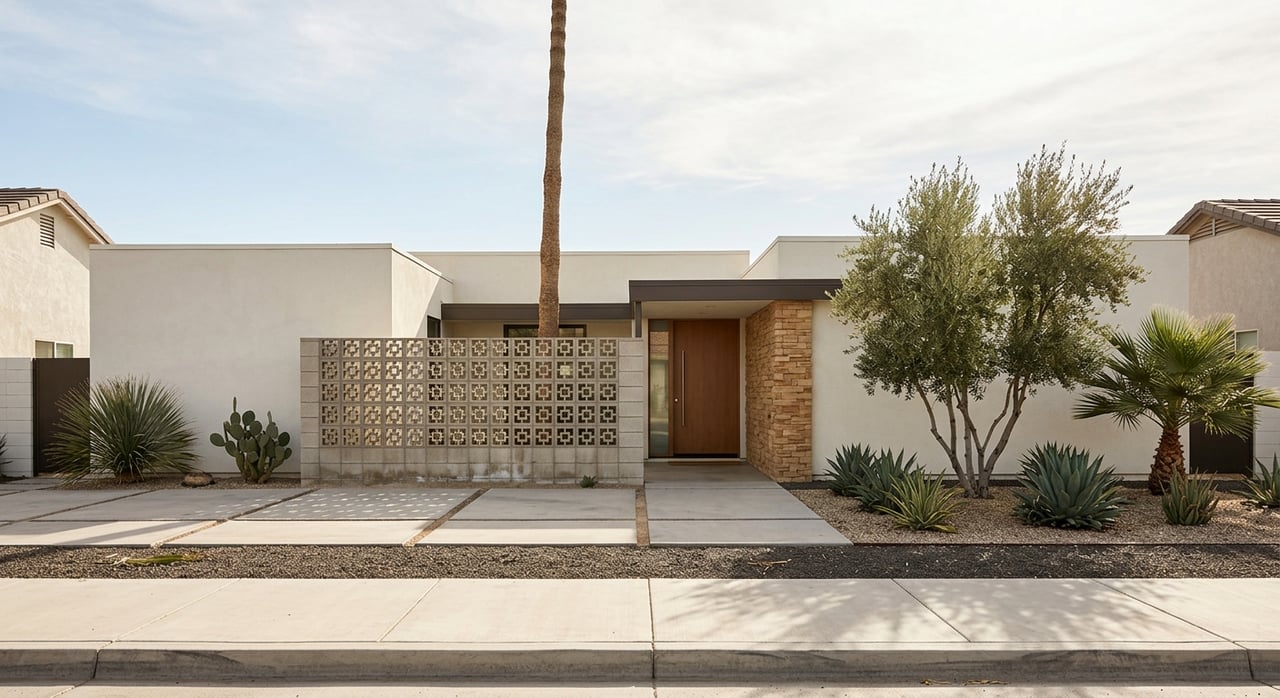
Palm Springs has a very clear architectural brand. The city highlights Mid-Century Modern architecture, preservation of architectural identity, and new development that reflects its historical design heritage.
If architecture matters to you, this stands out right away. Palm Springs often feels intentional and visually cohesive, especially if you are drawn to clean lines, modernist homes, and a recognizable sense of place.
Palm Springs is the better fit if you want to go out without relying on your car for every stop. Downtown is described as a pedestrian-oriented district with restaurants, boutiques, hotels, and theaters.
That walkable pattern shapes everyday life. You can picture evenings that revolve around dinner, public art, local shops, events, and a more concentrated downtown experience.
Palm Springs has a long-standing resort-town identity that blends design, dining, arts, and visitor appeal. The city reports nearly 50,000 year-round residents, and it says the population doubles during the winter snowbird season.
That seasonal lift creates energy during the cooler months. If you enjoy a place that feels lively, social, and tied to a classic desert getaway image, Palm Springs often checks that box.
Palm Desert is the clearer choice if your desert lifestyle picture includes golf, club access, and easy access to shopping and dining. The city is closely associated with golf courses, gated country-club communities, and the El Paseo district.
El Paseo features more than 300 shops, over a dozen restaurants, galleries, annual events, and even a shaded courtesy cart. That gives Palm Desert a polished, destination-style rhythm that feels different from Palm Springs’ downtown village feel.
Palm Desert has a more mixed housing identity. Its planning approach includes design review and mixed-use corridors, while the local architecture story includes mid-century landmarks alongside newer Spanish-style communities.
For buyers, that often means more variety in neighborhood style and home type. If you want options that range from club communities to newer planned areas, Palm Desert may feel more flexible.
Palm Desert is smaller in footprint than Palm Springs at 26.96 square miles, and it reports 53,087 permanent residents plus 32,000 seasonal residents. That combination supports a city feel that is active and well-established, but often more spread through shopping corridors, golf communities, and planned residential areas.
If your ideal desert lifestyle is less about a walkable downtown and more about a refined home base with retail, dining, and club amenities nearby, Palm Desert may be a better match.
Palm Springs usually appeals to buyers who want a home with a strong visual story. The city’s emphasis on architectural heritage and compatibility creates a more distinct design identity than many buyers find elsewhere in the valley.
That can matter whether you are buying a full-time home, a second home, or an investment-minded property with a clear lifestyle brand. If you want a city that feels immediately recognizable, Palm Springs has an edge.
Palm Desert is often the better fit if you want to compare multiple lifestyle formats in one city. You may find golf-oriented neighborhoods, resort communities, mid-century landmarks, and newer Spanish-style options within the same broader market.
That variety can be helpful if you are still refining what matters most to you. Some buyers want architectural identity first, while others want the right floor plan, community style, or proximity to El Paseo and golf.
Downtown Palm Springs supports a more concentrated outing experience. Local coverage highlights restaurant-lined streets, locally owned eateries, VillageFest, public art, the Palm Springs Art Museum, and architecture tours.
That means your social life can feel more spontaneous. If you want to leave home, park once, and enjoy the area on foot, Palm Springs is usually the stronger fit.
Palm Desert shines when your ideal outing starts with El Paseo. The district is known for shopping, dining, galleries, and events, creating a polished corridor that many buyers find attractive.
It is less about a compact urban-village feel and more about a curated destination atmosphere. If that sounds more like your pace, Palm Desert may align better with how you actually spend your time.
Both cities offer golf, but Palm Desert has the stronger golf and country-club identity. The city promotes Desert Willow Golf Resort, and the broader local coverage consistently ties Palm Desert to golf-centered living.
If club amenities and golf access are high on your list, that difference matters. Palm Springs has golf too, but its identity is more balanced across design, downtown, dining, and attractions.
Climate is not likely to be the deciding factor between the two. Both nearby NOAA stations show very hot summers and mild winters, with July mean highs above 106 degrees and January mean highs around 69 to 70 degrees.
Both cities also receive minimal annual precipitation. In practical terms, outdoor living tends to peak from fall through spring, while summer living often shifts toward pools, indoor dining, and cooler indoor spaces.
Seasonality is part of the lifestyle in both cities. Palm Springs sees a major winter population increase, while Palm Desert also supports a large seasonal population and hosts spring and winter programming such as Palm Desert Food & Wine, Fashion Week El Paseo, and the California Desert Plein Air Festival.
If you are buying a second home or planning to split time between markets, this is important. Your favorite season in the desert may shape which city feels most natural for your routine.
The best choice usually comes down to how you want to live when you are actually here. If you picture yourself walking to dinner, appreciating architecture, and enjoying a lively downtown setting, Palm Springs may be your city.
If you picture golf mornings, club amenities, polished shopping, and a wider range of community styles, Palm Desert may feel like a better fit. The key is matching the city to your real routine, not just the highlight reel.
If you are comparing both areas from a distance, local guidance can make the decision much easier. The Tommy Jordan Team can help you narrow the options, tour the right neighborhoods, and make a confident move in the Coachella Valley.
Palm Springs
How summer heat, winter seasonality, home maintenance, carrying costs, community rhythm, and California residency questions change when the desert is your primary home… Read more
Construction is underway near Highway 111, but sales have not opened yet. Here is what Shea Homes has published so far about pricing, home sizes, architecture, ameniti… Read more
Palm Springs
What buyers should know about everyday driving, I-10 vs. Highway 111, seasonal congestion, event traffic, weather closures, transit, and testing real routes before cho… Read more
With ten years of experience as a licensed agent, Tommy is an innovator in utilizing social media marketing to help sell homes. He has a successful YouTube channel with thousands of subscribers, generating hundreds of thousands of views yearly. He stays updated on the latest marketing techniques and ensures each property stands out.
Contact Tommy to Learn More
74801 Hovley Ln E. Palm Desert, CA 92260 Tommy Jordan | CA DRE# 01887038