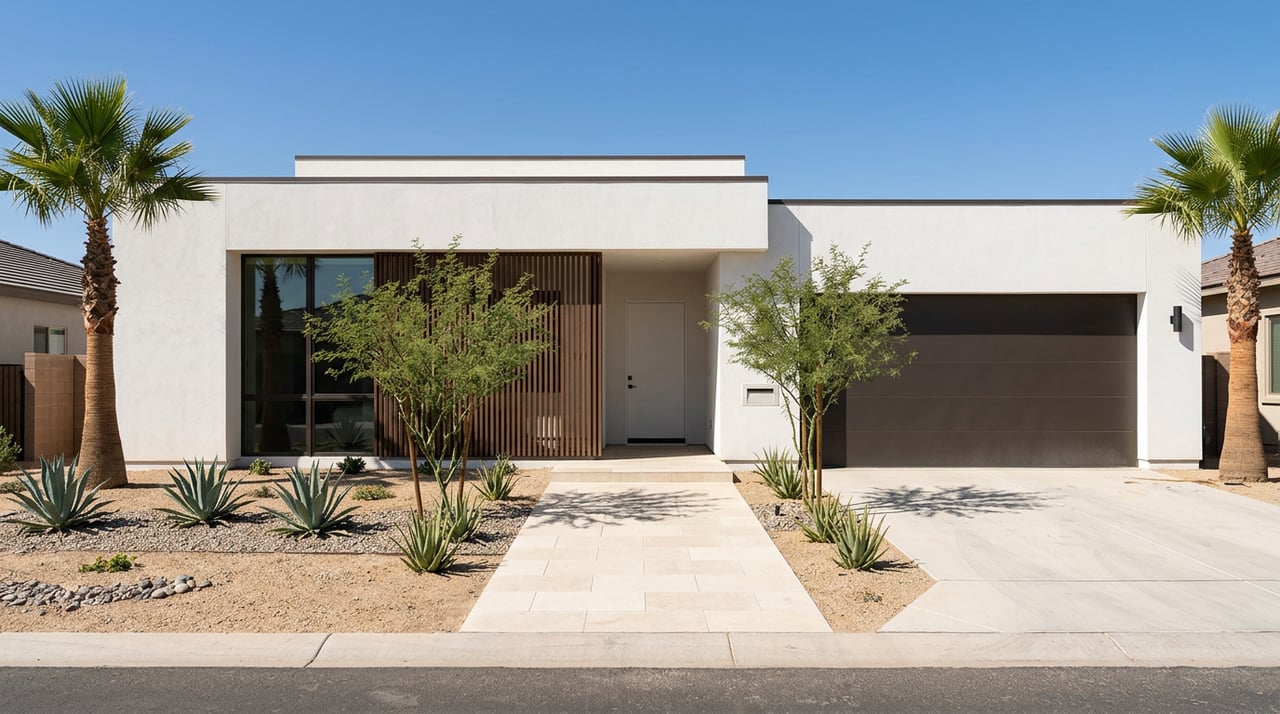
Palm Springs Vacation Rental Rules Guide in Plain English
March 24, 2026
March 24, 2026
Thinking about buying a Palm Springs home to rent out for short stays? Great idea, but the rules here are specific and tightly enforced. You want a simple, accurate roadmap you can trust before you write an offer or list a home for rent. In a few minutes, you’ll learn the permit types, booking caps, neighborhood limits, taxes and the fines to avoid — all in plain English. Let’s dive in.
To operate any short-term vacation rental or homeshare in Palm Springs, you must hold a current city-issued Vacation Rental Registration Certificate. Certificates are renewed annually and treated as a privilege. You also need to follow the city’s advertising, occupancy, parking, contract and safety rules outlined in the municipal code. You can review the city’s full rules in the Palm Springs municipal code for vacation rentals.
Palm Springs recognizes three main categories:
All three categories must follow core rules on advertising, contracts, occupancy, parking, and noise. Details are in the vacation rental ordinance.
Certificates are limited to eligible owners such as natural persons or certain personal/family trusts, as defined by the code. Business entities are restricted, and the city enforces ownership disclosure. Only one certificate is allowed per eligible natural person or trust. Certificates do not transfer with a sale; they expire when a property sells, and a new owner must apply anew. See definitions and ownership limits in the municipal code.
Palm Springs limits the number of short-stay “contracts” you can host per year. New permittees may operate up to 26 contracts annually. Existing permittees — those with an application or certificate filed on or before October 17, 2022 — may host up to 32 contracts per year, with up to four additional contracts allowed in the third quarter per a November 2025 ordinance update. Event-house bookings count toward these limits. The city explains the existing-permittee status and contract counts in its program materials and ordinance updates.
Palm Springs caps the number of vacation rental certificates to 20 percent of residential dwelling units within each ONE-PS neighborhood. If a neighborhood has reached the 20 percent cap, the city returns new applications and may place applicants on a waitlist. Always check the neighborhood density map before assuming a property can be permitted.
Palm Springs calculates overnight occupancy as 2 persons per bedroom, up to 8 adults maximum. The owner may allow up to two additional minor children age 12 or under. You may also host up to 4 daytime visitors. Parking is capped at one car per bedroom. The city verifies bedroom counts during permitting, so rely on assessor or building records and physical inspection rather than listing descriptions.
Outdoor noise is tightly controlled. Outdoor amplified music or sound that is audible at the property line is prohibited. You must prevent unreasonable noise and respond quickly to any complaints. These rules are commonly enforced. All details are in the vacation rental ordinance.
Every listing or ad must include your city VR Registration Certificate number and the posted maximum guest count. For each stay, you must have a written contract with a responsible person, collect a copy of government ID, list all guests and vehicle plates, and file a short contract summary with the city before occupancy. Post the summary at the property. These steps are mandatory and should be part of your operating checklist. See specifics in the municipal code.
You must carry short-term rental liability insurance that meets the city’s minimum (the city’s application pages list a $500,000 liability limit). A building, fire and safety inspection is required at application and annually for renewal. You also need a 24/7 local contact who can respond by phone within 15 minutes and arrive in person within 30 minutes when the city calls.
Palm Springs collects Transient Occupancy Tax on short stays — currently 11.5 percent for vacation rentals — plus any Tourism Business Improvement District (TBID) assessments that may apply. Operators must file TOT returns monthly through the city’s online system, even for months with no stays. The city now processes VR applications and taxes online (GovOS/MuniRevs). You cannot advertise or operate until the city issues written authorization, and the city will not accept a VR application while a property is in escrow.
Vacation rentals are generally limited to single-family homes; apartment or multi-unit uses are typically not allowed for short stays. If the property is within an HOA, the city requires an HOA authorization letter stating that the CC&Rs do not prohibit vacation rental use. Even if the city allows a VR, HOA rules can block it. The city provides guidance and templates for HOA authorization letters.
Homes with 5 or more bedrooms can fall under the city’s “estate home” definition, which carries specific allowances and additional requirements or fees. If you plan to market a property for events, be aware that event bookings may count toward your annual contract cap and may require additional permits. See definitions, caps and event rules in the vacation rental ordinance.
Palm Springs enforces its rules. Typical administrative citations start at $500 for a first violation and $1,000 for subsequent violations. A third violation within 12 months can trigger a two-year suspension of your certificate. Operating without a certificate can bring heavy fines starting at $5,000 and potential permanent ineligibility. Advertising without a valid certificate number or failing to file required contract summaries can also lead to fines and suspensions. The owner, not the platform, is cited under the ordinance.
Rules vary widely across the Coachella Valley. If you are comparing markets, start here:
Use this simple list before you write an offer or advertise a home:
If a Palm Springs vacation rental is part of your plan, set up due diligence early. Verify neighborhood cap status, HOA permissions and bedroom counts before you rely on projected rental income. Build the city’s annual inspection, insurance and monthly TOT filing into your numbers. If you are comparing cities, align your property search with each city’s rules so your plan pencils out.
Want a local, practical game plan tailored to your goals? Schedule a quick consult with The Jordan Team and we’ll help you target the right neighborhoods, flag HOA constraints and connect you with the city resources you need to start strong.
Palm Springs
How summer heat, winter seasonality, home maintenance, carrying costs, community rhythm, and California residency questions change when the desert is your primary home… Read more
Construction is underway near Highway 111, but sales have not opened yet. Here is what Shea Homes has published so far about pricing, home sizes, architecture, ameniti… Read more
Palm Springs
What buyers should know about everyday driving, I-10 vs. Highway 111, seasonal congestion, event traffic, weather closures, transit, and testing real routes before cho… Read more
With ten years of experience as a licensed agent, Tommy is an innovator in utilizing social media marketing to help sell homes. He has a successful YouTube channel with thousands of subscribers, generating hundreds of thousands of views yearly. He stays updated on the latest marketing techniques and ensures each property stands out.
Contact Tommy to Learn More

74801 Hovley Ln E. Palm Desert, CA 92260 Tommy Jordan | CA DRE# 01887038