7 Things to Know Before Retiring in La Quinta, California
La Quinta Tommy Jordan July 15, 2026
La Quinta Tommy Jordan July 15, 2026
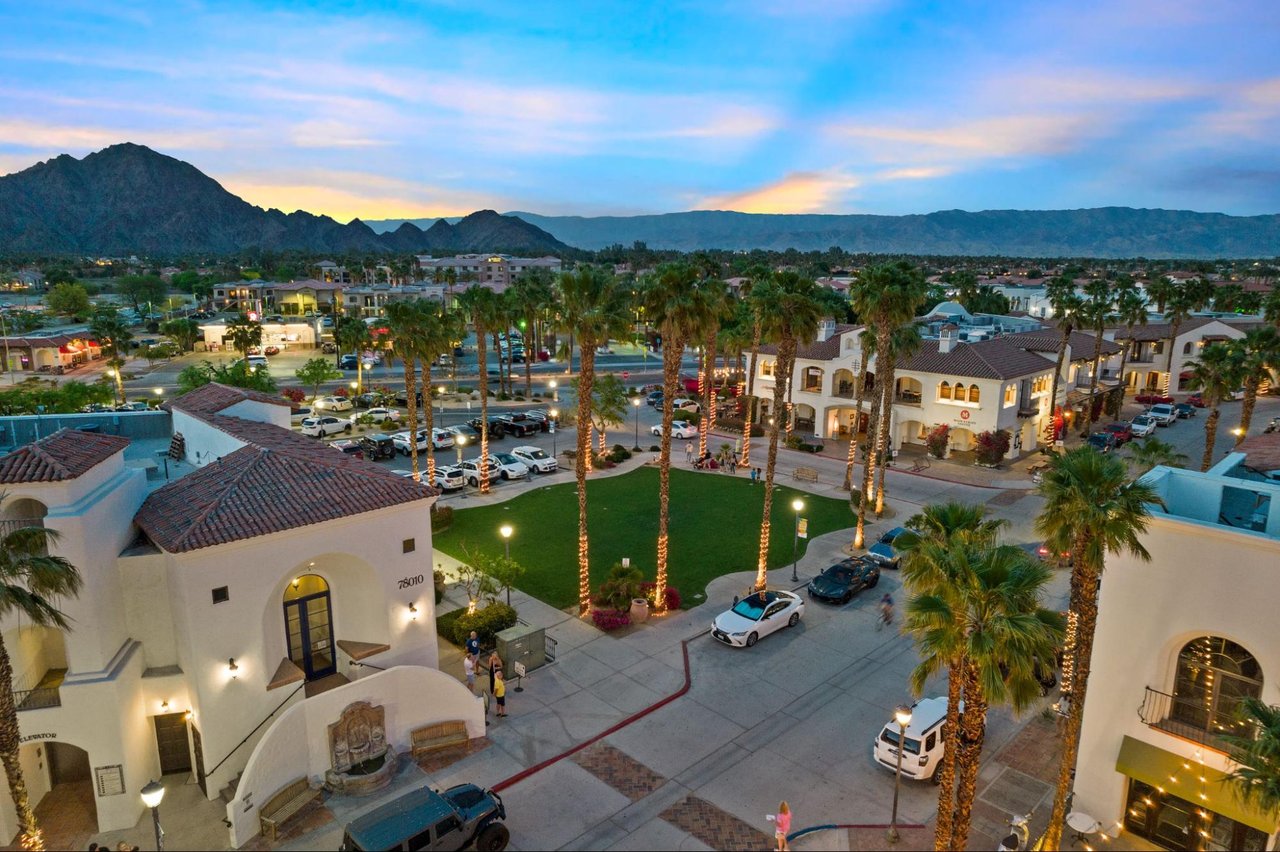
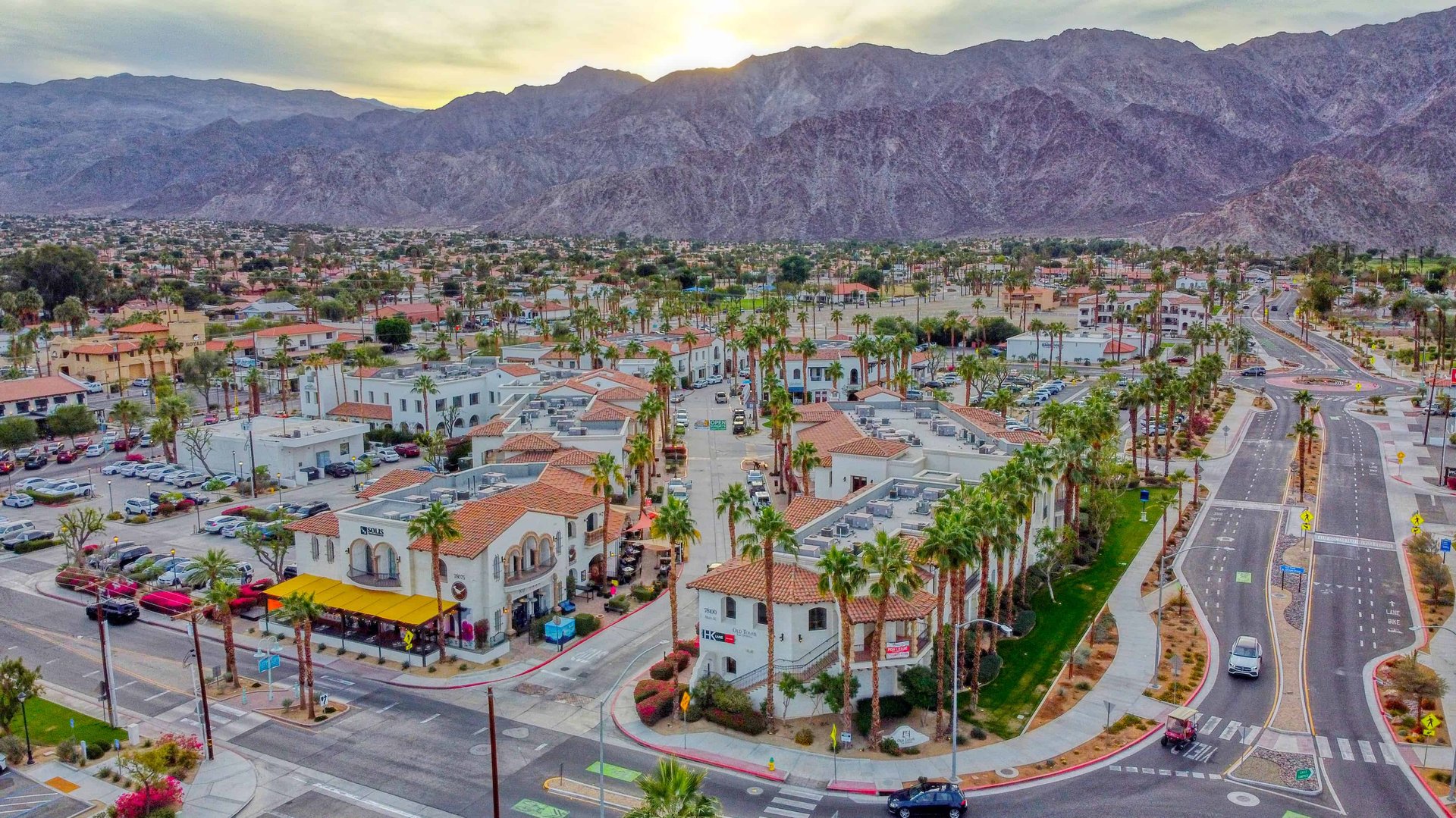
Retiring in La Quinta can sound close to perfect. You get warm winters, dramatic Santa Rosa Mountain views, championship golf, Old Town restaurants and shops, and communities designed around an active desert lifestyle. The City of La Quinta describes the city as home to more than 20 golf courses, including PGA West, and as the host city for the PGA Tour's American Express tournament.
But visiting La Quinta during the winter is not the same as living here throughout the year.
Summer heat changes your routine. Some properties carry HOA dues and separate club memberships. Most daily errands require a car, and California's tax structure may be very different from the state you are leaving.
None of those considerations automatically makes La Quinta a poor place to retire. For the right person, it can be an exceptional place to live. The goal is to understand the full lifestyle before buying a home, not after.
For a broader look at the area, start with our guide to what daily life is really like in La Quinta. Then use the seven considerations below to decide whether retiring in La Quinta fits your plans.
La Quinta can be a strong retirement choice for people who value warm winters, golf, mountain scenery, and resort-style communities. The main trade-offs are extreme summer heat, car-dependent daily life, HOA and club costs in some neighborhoods, and California's tax structure. The right fit depends on your budget, mobility, summer plans, and whether you want a full-time or seasonal home.
This guide combines local buyer guidance from Tommy Jordan, a Palm Springs area real estate agent who leads The Tommy Jordan Group at eXp Realty, with official city, climate, healthcare, and tax sources.
The first consideration is also the most obvious: La Quinta is in the desert, and summers are intensely hot.
At nearby Palm Springs International Airport, NOAA's 1991-2020 climate normals show an average daily high of 108.6 degrees Fahrenheit in July and 108.1 degrees in August. Those are monthly averages, so individual days can be hotter.
"Vacationing here in March is very different from living here in July." — Tommy Jordan, Palm Springs area real estate agent
That does not mean you cannot enjoy La Quinta during the summer. It means your routine needs to change. A typical summer day may involve walking, golfing, exercising, or running errands early in the morning, staying indoors during the hottest afternoon hours, and returning outside after sunset.
The home itself matters, too. Efficient air conditioning, insulation, window exposure, shade, and covered outdoor space can affect how comfortable the property feels when temperatures rise.
Before moving, decide whether you are comfortable adapting to that routine. If you plan to be a snowbird, also think through summer home monitoring, pool service, landscaping, and maintenance while you are away.
When comparing La Quinta homes, it is easy to focus on the purchase price, mortgage payment, and property taxes. The ongoing cost of maintaining a desert property deserves just as much attention.
Air conditioning works harder during extreme heat. A private pool requires cleaning, chemicals, filtration, and equipment maintenance. Landscaping may require irrigation even when a property uses drought-conscious plants. Strong sun exposure can also affect paint, outdoor furniture, roofing materials, and other exterior features over time.
The expenses can vary substantially from one home to another. A smaller condominium without a private pool has a different ownership profile than a detached house with a large yard, extensive glass, and older mechanical systems.
Instead of relying on a broad online estimate, ask whether recent utility bills are available. During inspections and due diligence, review the age and condition of the HVAC system, pool equipment, roof, windows, insulation, and other major components.
A home that looks less expensive on paper is not always less expensive to own.
La Quinta is known for golf and country club living, but the ownership structure can be more complicated than the community name suggests.
An HOA and a private club may be separate organizations. A property may have mandatory HOA dues while golf or social membership is optional. Another community may include certain social amenities through the HOA but charge separately for golf. Services such as landscaping, security, cable, internet, exterior maintenance, and common-area care also vary by association.
Our guide to La Quinta's top golf communities explains how ownership and club structures can differ among PGA West, The Citrus Club, Andalusia, and Rancho La Quinta.
Before buying in a gated or club community, verify:
Do not assume that two similarly priced homes carry similar monthly expenses. The exact association, home type, and membership structure can materially change the total cost of ownership.
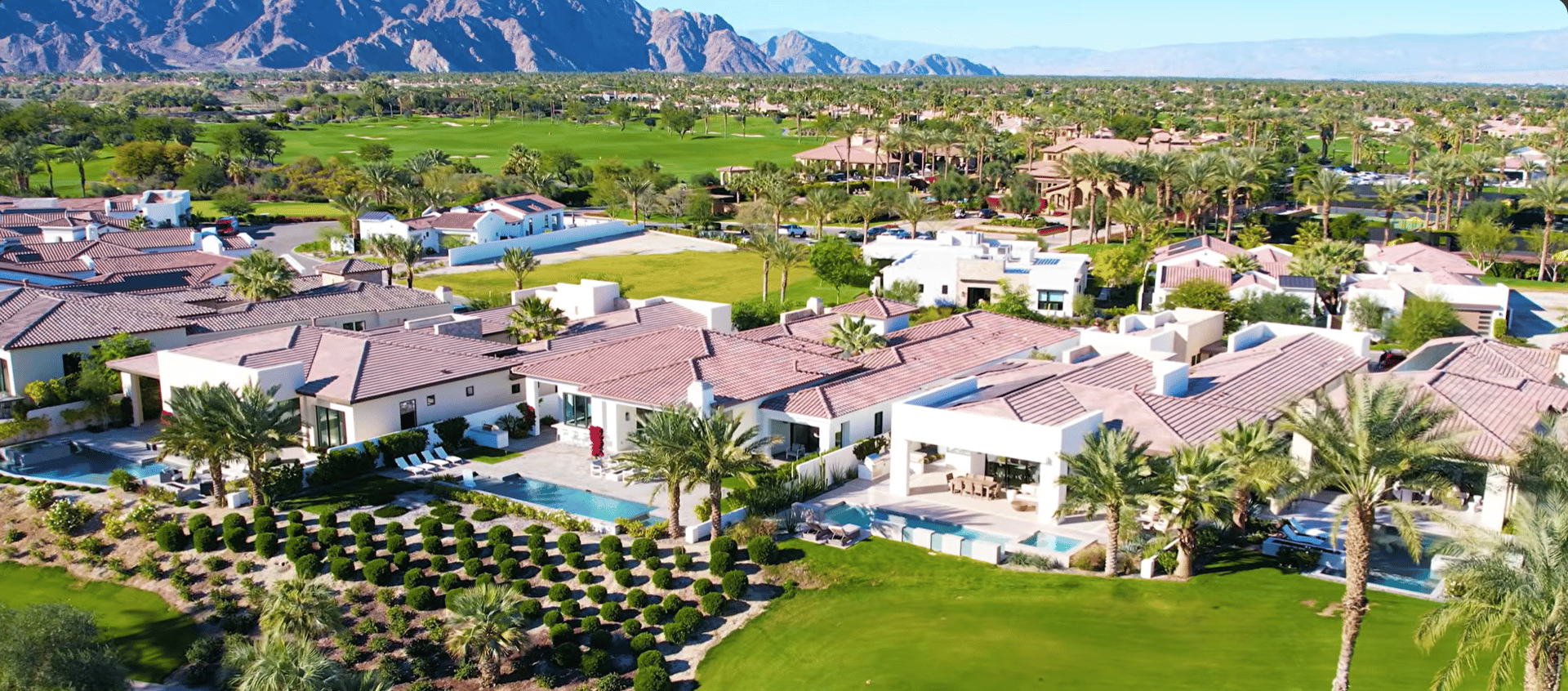
La Quinta has a noticeable seasonal rhythm. The City of La Quinta describes a substantial part-time population that comes for the pleasant winter and spring seasons.
During the cooler months, seasonal residents and visitors add energy to restaurants, golf courses, events, and neighborhood social calendars. The summer is quieter as some part-time residents leave and tourism slows.
That change can be a benefit or a drawback. Some full-time residents enjoy lighter traffic, easier reservations, and a slower pace. Others prefer the fuller social calendar and livelier atmosphere of the winter season.
Your specific neighborhood can make a major difference. A community with many year-round residents may stay socially active through summer, while one with a high percentage of seasonal homes may feel much quieter. Ask how occupancy changes through the year and whether the community offers summer events.
Season also affects how you use the outdoors. Our guide to the outdoor lifestyle in La Quinta covers local trails, parks, biking, and the way cooler months shape recreation.
If your schedule allows, visit during both the high season and summer before you buy. A winter visit shows La Quinta at its busiest and most comfortable. A summer visit gives you a more realistic picture of full-time desert living.
Start by getting your FREE Palm Springs Area Relocation Guide: download the Palm Springs Area Relocation Guide.
For most buyers, the practical answer is yes.
The City of La Quinta covers about 32 square miles, and its neighborhoods, shopping centers, medical offices, golf communities, and recreation areas are spread across the city. Old Town La Quinta offers a more concentrated pocket of restaurants, shops, and community activity, but most residents still drive for routine errands.
Medical appointments or specialized services may also take you into Palm Desert, Rancho Mirage, or other parts of the Coachella Valley. That matters when planning for retirement because a home that works well while you are comfortable driving may become less convenient if your mobility changes later.
When comparing neighborhoods, consider proximity to groceries, healthcare, restaurants, family, and the places you expect to visit regularly. Drive those routes during the busier season rather than relying only on mileage shown on a map.
You can also browse current La Quinta homes for sale to start comparing locations across the city.
Healthcare access should be part of the decision before you choose a home or neighborhood.
Eisenhower Health operates the 92,000-square-foot George and Julia Argyros Health Center in La Quinta, which provides a range of outpatient healthcare services. The broader Coachella Valley also includes hospitals, urgent-care facilities, physicians, and specialists.
However, proximity to a medical building does not guarantee that your insurance plan, preferred doctor, or required specialty is available there. Before relocating, confirm whether your current coverage is accepted locally and whether the specialists you use are available within a reasonable distance.
It can also be helpful to establish a primary-care relationship soon after moving rather than waiting until you need a referral, medication renewal, or time-sensitive appointment.
Healthcare needs are personal. Evaluate provider networks, specialty care, prescription access, transportation, and your long-term medical needs, not only the distance to the nearest facility.
California's tax structure may be different from the state where you currently live, especially if you are moving from a state without personal income tax.
The California Franchise Tax Board states that U.S. Social Security benefits are excluded from California taxable income. Pensions, annuities, IRAs, and other retirement income can be treated differently depending on the account, your residency, and your individual circumstances, so review the move with a qualified tax professional.
Property taxes also deserve careful attention. Under Proposition 13 guidance from the California State Board of Equalization, the general property tax rate is limited to 1 percent of assessed value plus amounts needed for qualifying voter-approved debt. A change in ownership generally establishes a new base-year value, and annual increases to that assessed value are generally limited to no more than 2 percent, subject to applicable rules and exceptions.
That does not mean every buyer's total property tax bill will equal exactly 1 percent of the purchase price. Local voter-approved charges and assessments can increase the final bill.
Ask for a property-specific tax estimate rather than relying on a broad rule of thumb. A CPA or financial advisor can also help you evaluate California residency, retirement-account withdrawals, and other tax questions before you move.
Not every retiree moving to La Quinta wants the same lifestyle.
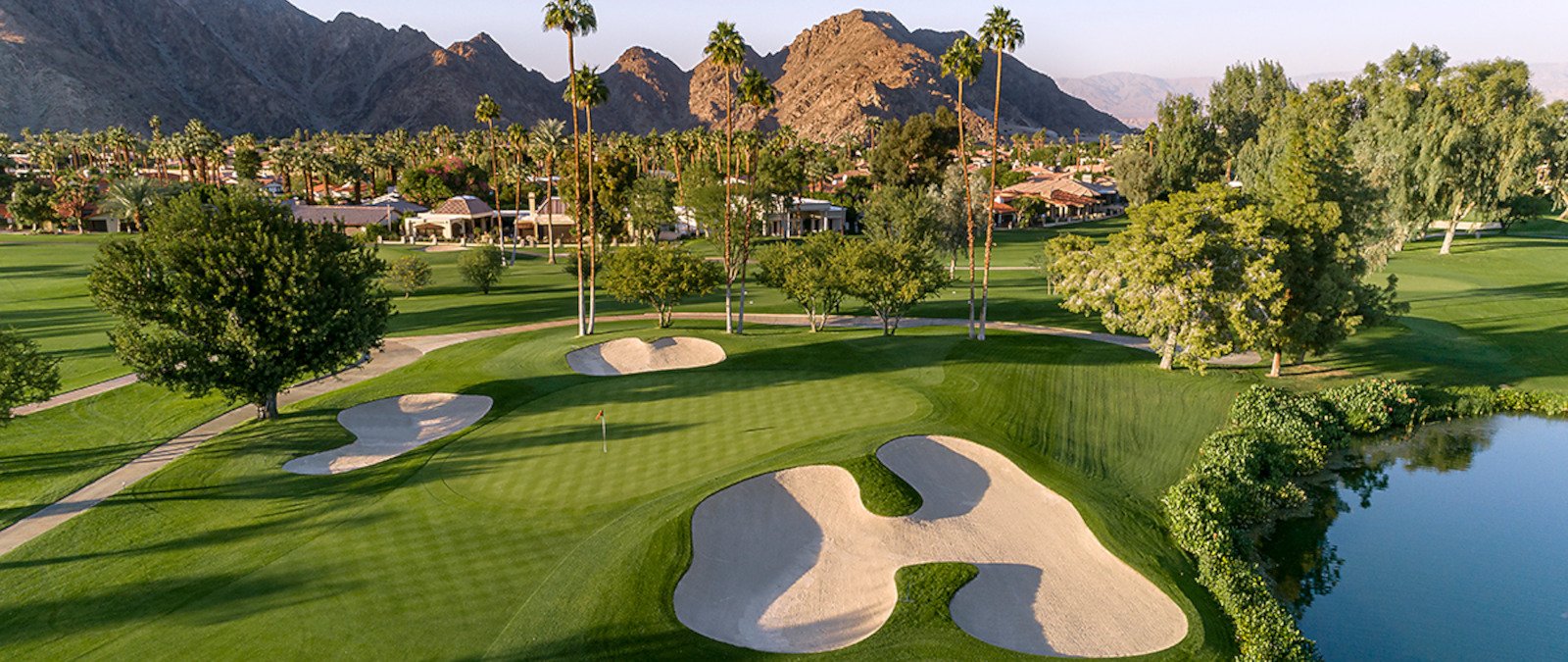
One buyer may want a private golf club with a full social calendar. Another may prefer an age-qualified community. Someone else may want a home without mandatory club membership or may prioritize proximity to Old Town, healthcare, or everyday shopping.
Before touring homes, identify your priorities:
Clarifying those details early can keep you from touring attractive homes in communities that do not fit your needs.
Retiring in La Quinta is not simply about buying a home somewhere warm. It is a lifestyle decision involving weather, transportation, healthcare, community amenities, taxes, and long-term ownership costs.
La Quinta offers qualities that are difficult to duplicate: comfortable winter weather, Santa Rosa Mountain views, extensive golf options, and communities built around recreation and social connection.
It also asks residents to accept real trade-offs. Summers are extremely hot. Driving is part of everyday life. HOA and club expenses require careful review. California taxes should be evaluated before establishing residency.
Understanding those realities does not make La Quinta less appealing. It helps you make a decision with clear expectations. If the trade-offs fit your lifestyle and budget, La Quinta may offer exactly the kind of retirement you have been imagining. If they do not, another Coachella Valley community may be a better match.
La Quinta can be a good choice for retirees who enjoy warm winters, golf, desert scenery, and active communities. Buyers should also plan for extreme summer heat, driving, ownership expenses, and California taxes before moving.
NOAA's 1991-2020 climate normals for nearby Palm Springs International Airport show average daily highs of 108.6 degrees Fahrenheit in July and 108.1 degrees in August. Individual days can be hotter.
Yes. La Quinta includes age-qualified communities as well as many all-ages golf, gated, and non-gated neighborhoods. Verify current age restrictions, HOA rules, and membership requirements for the specific community before buying.
No. Requirements vary by community and sometimes by the specific association within a community. Golf or social membership may be required, optional, included in part through the HOA, or completely separate from homeownership.
California excludes U.S. Social Security benefits from state taxable income. Federal taxation may still apply, and pensions, annuities, IRAs, and other retirement income may receive different treatment.
Most residents rely on a car because homes, shopping, healthcare, and recreation are spread across La Quinta and neighboring Coachella Valley cities. Old Town is a more concentrated area, but it does not eliminate the need to drive for many daily activities.
Tommy Jordan is a California real estate agent (CA DRE #01887038) and leads The Tommy Jordan Group at eXp Realty (CA DRE #02187306). He helps buyers and sellers throughout La Quinta, Palm Desert, Rancho Mirage, Indian Wells, Palm Springs, and the greater Coachella Valley, and is known for honest local guidance and practical relocation advice. Learn more about Tommy Jordan or watch the Tommy Jordan | Palm Springs Area Living YouTube channel.

If you're thinking about moving to the Palm Springs area, our team is here to help make the process simple and stress free.
We've helped hundreds of buyers relocate to the Palm Springs area, and we'd love to help you find the right home and community for your lifestyle.
Start by getting your FREE Palm Springs Area Relocation Guide:
https://tommyjordanre.com/relocation-guide
Have questions or ready to start your home search?
Call or Text:(760) 469-9182
Email:[email protected]
Whether you're moving next month or just starting your research, we're here to help every step of the way.
Palm Springs
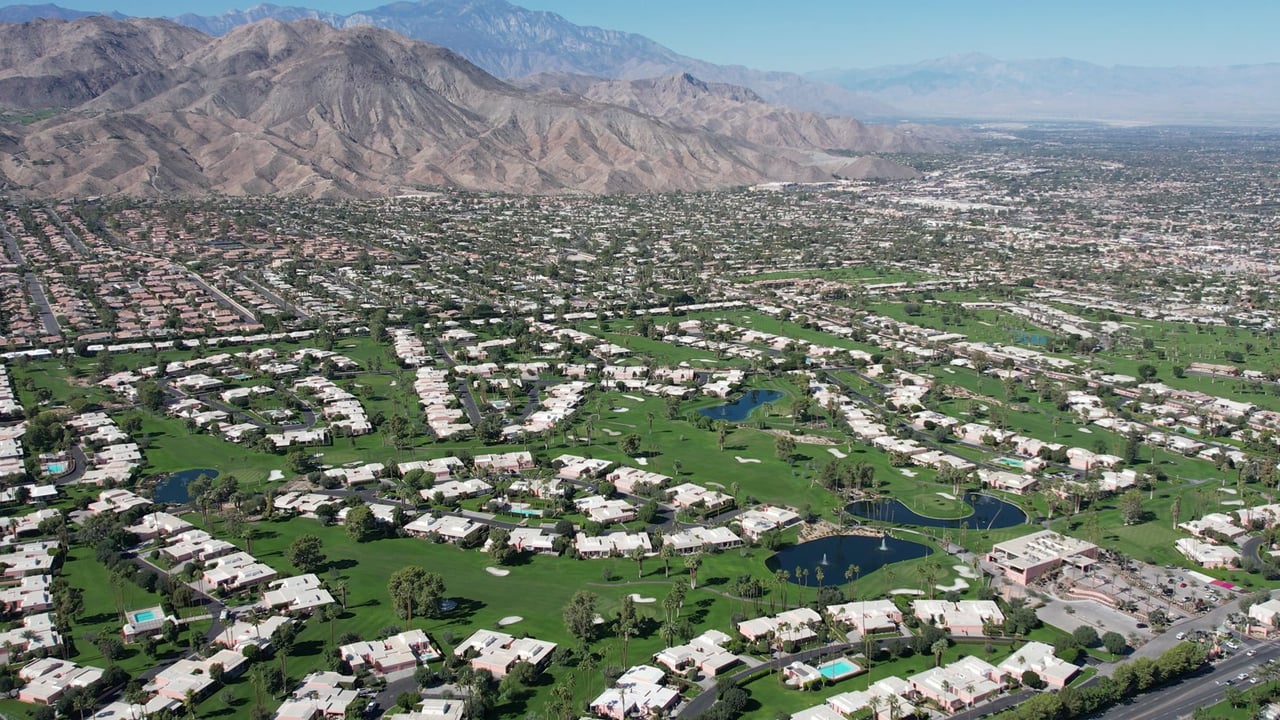
How summer heat, winter seasonality, home maintenance, carrying costs, community rhythm, and California residency questions change when the desert is your primary home… Read more
Construction is underway near Highway 111, but sales have not opened yet. Here is what Shea Homes has published so far about pricing, home sizes, architecture, ameniti… Read more
Palm Springs
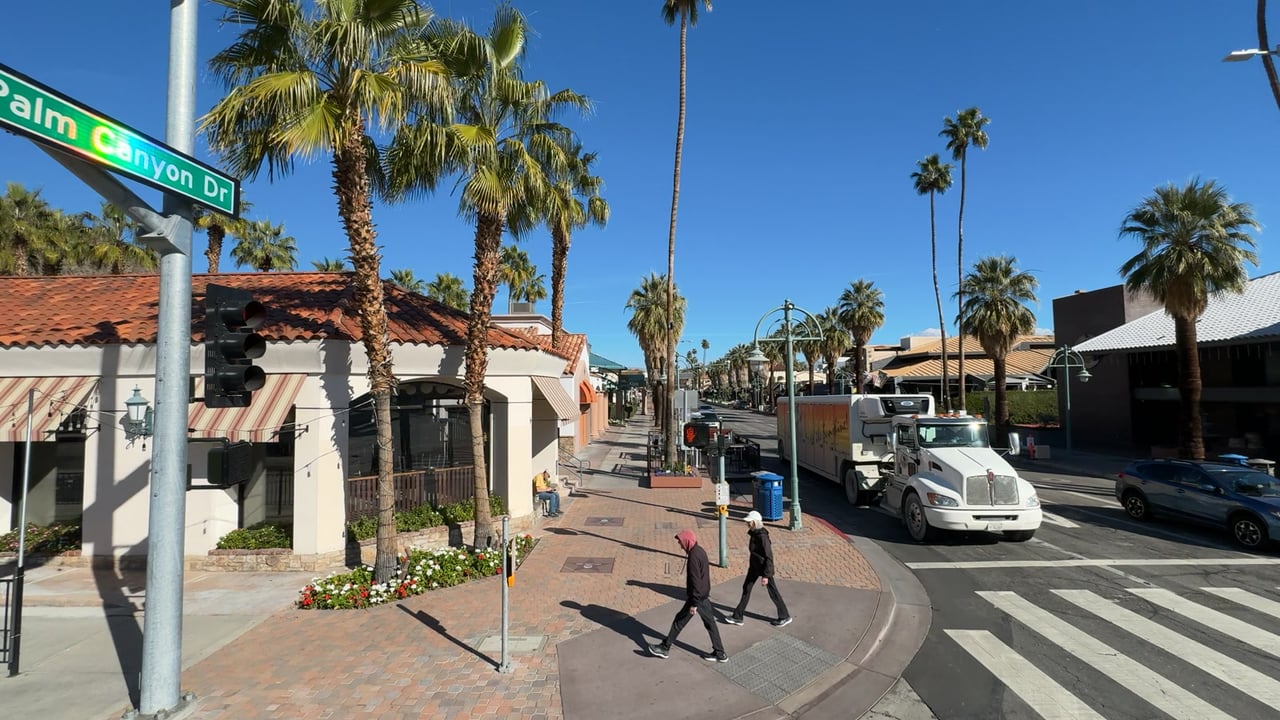
What buyers should know about everyday driving, I-10 vs. Highway 111, seasonal congestion, event traffic, weather closures, transit, and testing real routes before cho… Read more
With ten years of experience as a licensed agent, Tommy is an innovator in utilizing social media marketing to help sell homes. He has a successful YouTube channel with thousands of subscribers, generating hundreds of thousands of views yearly. He stays updated on the latest marketing techniques and ensures each property stands out.
Contact Tommy to Learn More

74801 Hovley Ln E. Palm Desert, CA 92260 Tommy Jordan | CA DRE# 01887038