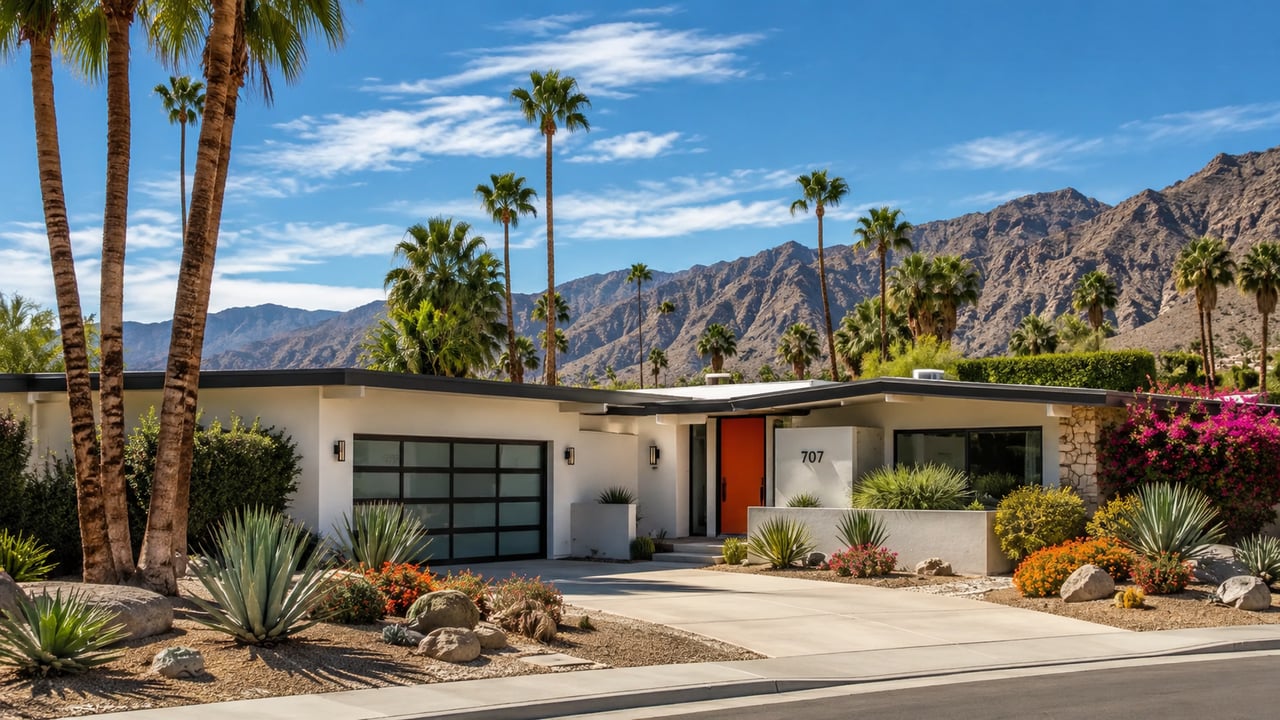
Buying a Flipped Home in Rancho Mirage: What to Inspect Before You Close
Rancho Mirage Tommy Jordan August 7, 2026
Rancho Mirage Tommy Jordan August 7, 2026
A flipped home can be one of the easiest ways to buy an updated property in Rancho Mirage without managing a renovation yourself.
It can also be difficult to tell whether the seller improved the systems that protect the home or concentrated mainly on the finishes that photograph well. New flooring, fresh paint, quartz counters, and staged rooms do not reveal the age of the roof, the condition of the HVAC equipment, the plumbing beneath the slab, or whether major alterations were permitted.
The goal is not to assume every flip is poorly done. It is to verify the scope of the renovation before you pay a remodeled-home premium.
When buying a flipped home in Rancho Mirage, start with the permit and contractor record, then evaluate the HVAC, roof, drainage, electrical system, plumbing, pool equipment, structural conditions, and seller disclosures. A general home inspection is the starting point. When it identifies a concern, use the appropriate licensed specialist and compare the findings with permits, invoices, warranties, and the seller’s description of the work.
This guide combines Tommy Jordan’s local buyer guidance with current information from the City of Rancho Mirage, the California Department of Real Estate, the Contractors State License Board, the Consumer Financial Protection Bureau, Coachella Valley Water District, and FEMA. It is general educational information, not legal, engineering, contracting, or inspection advice for a specific property.
A flip is not automatically a problem, and an older home is not automatically a bad purchase. The first question is simply: What was actually replaced, repaired, altered, or left untouched?
Tommy describes the risk as the “cosmetic flip trap”: money goes into the surfaces a buyer sees first while expensive systems behind the walls, above the ceiling, beneath the slab, or outside the living area may remain older.
“And here in the desert, mechanical systems, they’re not optional luxuries. They are survival equipment.” — Tommy Jordan
Ask the seller for a written improvement list that separates cosmetic work from system work. The list should identify dates, contractors, equipment models, warranties, and permits where applicable. Compare that record with the inspection report rather than treating the remodel description as proof of condition.
Useful questions include:
The City of Rancho Mirage Building & Safety Department is the local authority for permits and inspections. Its current information includes online permitting and inspection resources, identifies the building codes used for plans, and notes that residential plans may involve architectural, mechanical, electrical, plumbing, and structural sheets. The city also states that pool and spa work requires a separate building permit.
Permit history is useful, but it should be interpreted carefully. A permit can help confirm that documented work was submitted to the city and reached the recorded inspection status. It does not prove that every part of the home is defect-free, and an empty permit search does not tell you exactly what was or was not changed.
For material renovations, compare:
The California Contractors State License Board provides an online license lookup and advises consumers to put the scope, materials, permit responsibility, and changes in writing. For a resale buyer, those records help establish what the previous owner intended to complete and who performed the work.
A renovated kitchen does not reduce the workload placed on the cooling system during a desert summer. Ask for the manufacture date, installation invoice, service records, warranty information, and any permit associated with replacement or significant mechanical work.
The general inspector can operate accessible equipment and identify visible or performance concerns, but the inspector may recommend a licensed HVAC contractor for diagnosis. A specialist can evaluate issues such as system condition, refrigerant or electrical concerns, airflow, ductwork, condensate drainage, equipment sizing, and whether different components appear to have been installed at different times.
Pay attention when the remodel added conditioned square footage, opened the floor plan, enclosed a patio, or changed windows and doors. Those alterations can affect comfort and system demand even when the condenser appears newer.
Fresh interior paint can hide old staining, and a roof can look acceptable from the ground while still needing a closer evaluation. Ask for the roof age, material, repair history, warranty, permit record, and invoices. If the general inspector identifies deterioration, patching, active leakage, questionable flashing, or limited remaining life, obtain a roofing evaluation before the inspection period ends.
Roof review should connect to drainage review. Look at where water moves from the roof and hardscape:
Coachella Valley Water District notes that the valley receives little annual rainfall but can experience damaging flash flooding when storms affect the surrounding mountains. That regional fact does not determine the condition of one lot, which is why grading, drainage features, prior water history, and property-specific flood information all matter.
Planning a move to the desert? Use the Palm Springs Area Relocation Guide to compare communities, ownership considerations, and the practical details that matter before you buy.
New pendant lights and modern switches do not tell you whether the electrical system was materially upgraded. Ask whether the service panel, subpanels, branch wiring, breakers, receptacles, pool circuits, exterior circuits, or high-demand appliances were changed.
A general inspector may identify visible safety concerns, improper modifications, nonfunctioning protection devices, damaged components, or reasons to recommend an electrician. A licensed electrical contractor can evaluate the system within the scope of the property and the proposed use.
Questions to document include:
Plumbing is one of the areas where a surface remodel can create false confidence. New faucets and tile do not establish the condition of supply piping, drain lines, shutoffs, water heaters, sewer connections, or piping beneath a slab.
Review the inspector’s observations for signs of leakage, corrosion, low or inconsistent pressure, slow drainage, moisture damage, improvised repairs, or conditions that warrant additional testing. Depending on the home and the findings, a buyer may consider a licensed plumber, leak-detection specialist, sewer-scope provider, or other qualified professional.
If flooring was replaced throughout the house, ask whether there was prior water damage or slab work and request the related reports, invoices, photographs, and warranties. Do not rely on the fact that the floor is new; confirm what happened underneath it.
A resurfaced pool can look completely renewed while pumps, filters, heaters, automation, lights, plumbing, decking, drainage, and electrical components remain older. The City of Rancho Mirage identifies pool and spa work as requiring a separate building permit, so compare visible improvements and seller records with the available permit history.
A general inspector may identify a component that does not operate or a visible concern, but pool systems often require a pool professional for a more focused evaluation. Ask for the age and service history of major equipment, written warranties, leak or repair records, and documentation for electrical or gas changes.
Also inspect how recent landscaping, walls, artificial turf, planters, or hardscape affect drainage and access to equipment. An attractive backyard should still be serviceable and move water away from structures.
The California Department of Real Estate explains that buyers receive disclosures addressing the property’s physical condition and potential defects, along with other transaction documents. Read those materials beside the renovation timeline, inspection report, permit information, and invoices.
Look for consistent answers to questions such as:
Missing paperwork is not automatic proof of defective work, but it increases uncertainty. Your agent and the appropriate inspectors, contractors, title professionals, attorneys, or other advisers can help you decide what additional verification is reasonable for the property.
The Consumer Financial Protection Bureau recommends arranging an independent inspection promptly so there is time to understand problems and complete additional inspections when needed. The California Department of Real Estate similarly advises buyers to have professionals examine major systems and to include inspection protections in the offer.
A practical sequence is:
An appraisal is not a substitute for an inspection. A permit search is not a substitute for an inspection. A home warranty is not a substitute for understanding condition before closing.
You can also review the broader guide to buying a home in Rancho Mirage, which covers other property-level considerations such as location, recurring costs, and land ownership. To compare available options, browse Rancho Mirage homes for sale.
The best flipped home is not necessarily the one with the most dramatic before-and-after photos. It is the one where the visible renovation, underlying systems, permit history, contractor records, disclosures, and independent inspections support the same story.
Some findings may be routine maintenance. Others may affect price, negotiations, financing, insurance, or whether the property fits your risk tolerance. The value of a careful process is not that it guarantees a perfect home; it gives you better information before you commit.
No. A professionally completed renovation with clear documentation and satisfactory inspections may be a strong option. The risk comes from paying for updated appearance without verifying the condition and history of the major systems.
Use the City of Rancho Mirage Building & Safety resources and contact the department with property-specific questions. Compare the available record with the seller’s scope of work and inspection findings. Permit information does not replace a physical inspection.
Often, the general inspection determines whether additional evaluations are appropriate. A specialist may be useful when the inspector identifies concerns involving HVAC, roofing, plumbing, electrical work, pools, structure, drainage, pests, or other technical areas.
Request the improvement list, permits, final inspection records where available, contractor information, invoices, contracts, change orders, warranties, equipment details, and relevant repair reports. The exact record will vary by property and project.
No. A permit documents a regulatory process for the work within its scope. Buyers should still inspect the property, confirm the recorded status, and use qualified specialists when needed.
No. A warranty is a contract with coverage terms, exclusions, limits, and service procedures. Review the actual agreement, but use inspections and specialist evaluations to understand the property before closing.
Tommy Jordan is a California real estate agent (CA DRE #01887038) and leads The Tommy Jordan Group at eXp Realty (CA DRE #02187306). He helps buyers and sellers throughout Rancho Mirage, La Quinta, Palm Desert, Indian Wells, Palm Springs, and the greater Coachella Valley, and is known for honest local guidance and practical relocation advice. Learn more about Tommy Jordan or watch the Tommy Jordan | Palm Springs Area Living YouTube channel.

If you're thinking about moving to the Palm Springs area, our team is here to help make the process simple and stress free.
We've helped hundreds of buyers relocate to the Palm Springs area, and we'd love to help you find the right home and community for your lifestyle.
Start by getting your FREE Palm Springs Area Relocation Guide:
https://tommyjordanre.com/relocation-guide
Have questions or ready to start your home search?
Call or Text: (760) 469-9182
Email: [email protected]
Whether you're moving next month or just starting your research, we're here to help every step of the way.
Palm Springs
How summer heat, winter seasonality, home maintenance, carrying costs, community rhythm, and California residency questions change when the desert is your primary home… Read more
Construction is underway near Highway 111, but sales have not opened yet. Here is what Shea Homes has published so far about pricing, home sizes, architecture, ameniti… Read more
Palm Springs
What buyers should know about everyday driving, I-10 vs. Highway 111, seasonal congestion, event traffic, weather closures, transit, and testing real routes before cho… Read more
With ten years of experience as a licensed agent, Tommy is an innovator in utilizing social media marketing to help sell homes. He has a successful YouTube channel with thousands of subscribers, generating hundreds of thousands of views yearly. He stays updated on the latest marketing techniques and ensures each property stands out.
Contact Tommy to Learn More

74801 Hovley Ln E. Palm Desert, CA 92260 Tommy Jordan | CA DRE# 01887038

