5 Overlooked Things to Know Before Buying in the Palm Springs Area
Palm Springs Tommy Jordan July 24, 2026
Palm Springs Tommy Jordan July 24, 2026
A Palm Springs area home can look simple at first: a pool, mountain views, palms, sunshine, and a floor plan that fits your life.
But several less obvious details can change both the cost of ownership and the way the property feels after you move in.
Wind and dust vary by location. Fruit trees and vacant-home conditions can affect pest maintenance. Some properties involve leased land, while others are fee simple. HOA and club structures differ, and short-term rental eligibility can change from one city, zone, or community to another.
This guide explains five overlooked issues buyers should investigate before choosing a home in the Palm Springs area.
Before buying, evaluate the property's wind and dust exposure, pest and landscape maintenance, land ownership, HOA and club obligations, and current rental restrictions. These issues are property-specific. Two homes with similar prices and nearby locations can have very different monthly costs, maintenance needs, financing considerations, and permitted uses.
This guide combines local observations from Tommy Jordan, a Palm Springs area real estate agent who leads The Tommy Jordan Group at eXp Realty, with current information from South Coast AQMD, the University of California Statewide Integrated Pest Management Program, the City of Palm Springs, the California Department of Real Estate, and official city rental-program resources.
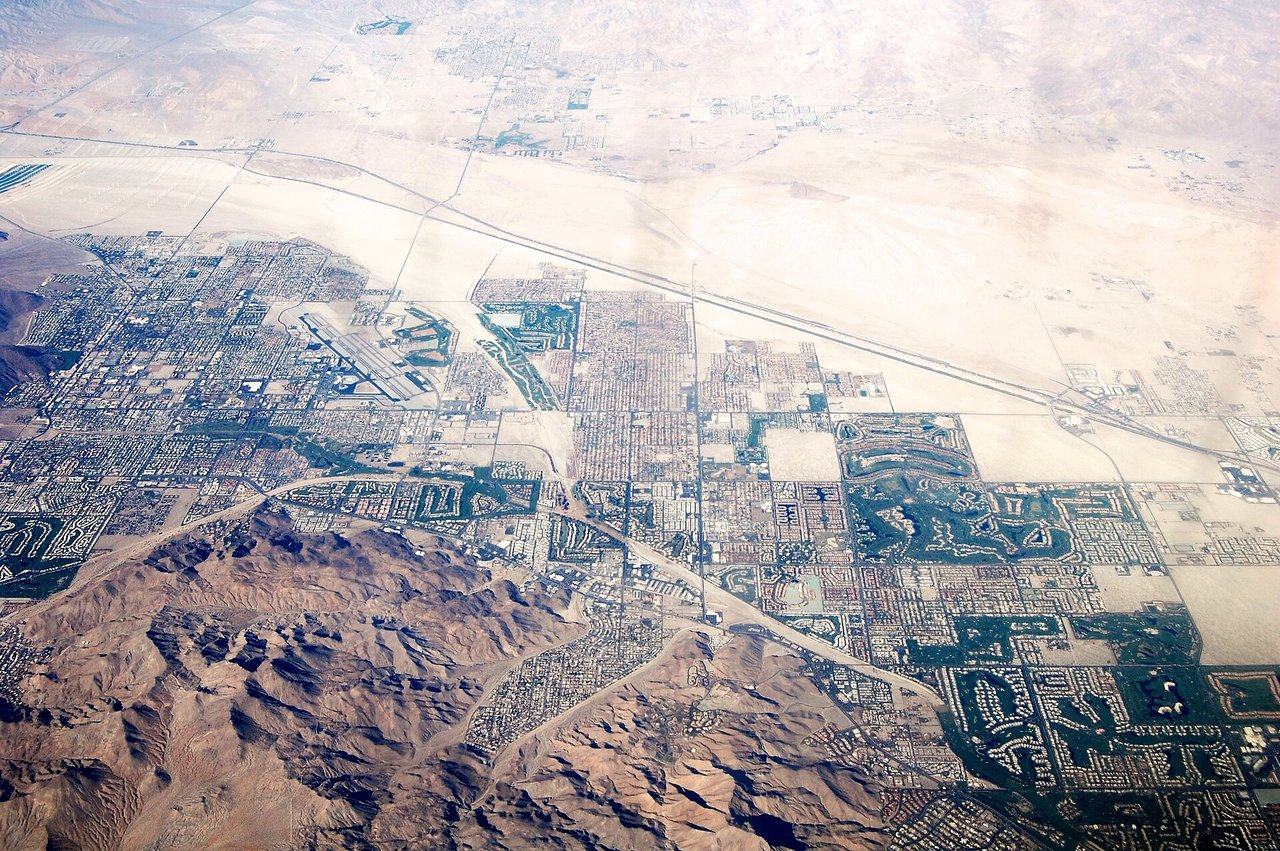
Wind is not distributed evenly across the Coachella Valley. The San Gorgonio Pass funnels air into the valley, and some northern or more exposed locations can feel noticeably windier than neighborhoods closer to the mountains or farther from open desert land.
South Coast AQMD maintains dedicated Coachella Valley dust-monitoring cameras and uses regional monitoring to identify windblown dust and improve particle-pollution forecasts. The agency also issues windblown-dust advisories when conditions warrant.
For a buyer, this is not simply a weather question. Wind and dust can affect:
Visit a prospective neighborhood more than once and at different times of day. Look at nearby open land, road exposure, landscaping, pool condition, and the way neighboring owners protect outdoor areas.
Wind should not automatically eliminate a property. It should be understood before the purchase, especially if outdoor living is one of your main reasons for moving to the desert.

Photo by Dicklyon, CC BY-SA 4.0, via Wikimedia Commons.
For a broader look at climate and everyday desert living, read 5 Reasons People Are Moving to the Palm Springs Area.
Citrus trees are a familiar and attractive part of desert landscaping, but fallen or unharvested fruit can also create maintenance issues.
The University of California Statewide Integrated Pest Management Program identifies roof rats as a common pest in citrus and notes that they can nest in trees, debris piles, thick mulch, and other sheltered areas. They may also feed on oranges, avocados, and other fruit.
That does not mean buyers should avoid fruit trees. It means the landscape needs consistent care. A practical plan may include:
Seasonal and second-home buyers should pay particular attention to this issue. A property that is empty for weeks at a time still needs landscaping, pool care, pest monitoring, HVAC checks, and someone who can respond when a problem appears.
Some Palm Springs area properties are located on leased land, while others include fee-simple ownership of the land beneath the home.
The City of Palm Springs explains that land within the historical reservation boundaries can have different ownership classifications. When allotted trust land is sold, it becomes fee land, which can then be owned by anyone. Other parcels may remain subject to a ground lease.
Do not assume that every Palm Springs property is leased land, and do not assume that a nearby property has the same ownership structure.
When considering a lease-land property, review:
The preliminary title report, lease documents, lender requirements, and professional advice should all be reviewed before contingency deadlines. A lower purchase price does not automatically mean a lower total cost or a better long-term fit.
Start by getting your FREE Palm Springs Area Relocation Guide: download the Palm Springs Area Relocation Guide.
The Palm Springs area includes condominiums, gated neighborhoods, private country clubs, master-planned communities, and non-gated streets without mandatory association dues.
The California Department of Real Estate explains that buyers in a common-interest development generally become members of the homeowners association automatically. That makes the association's finances, rules, insurance, and maintenance obligations part of the purchase decision.
In a golf or country-club community, the HOA and the private club may be separate organizations. A property can therefore involve more than one recurring obligation.
Before buying, obtain and review:
Do not rely on a listing description alone. Verify the documents for the exact property, because responsibilities can differ even between neighboring communities.

Photo by Christopher Hurdzan, CC BY-SA 2.0, via Wikimedia Commons.
Our guide to buying a home in Rancho Mirage explains additional club-community considerations. You can also compare Palm Desert country clubs with non-gated neighborhoods.
A home that appears ideal for vacation-rental use may not be eligible for the permit or rental strategy a buyer expects.
Rules vary by city, zoning district, permit category, HOA documents, and sometimes the property's existing permit status. As of July 2026, Palm Springs requires city registration and regulates vacation rentals through its ordinance. Palm Desert requires permits and has location- and ownership-based eligibility rules, with HOA approval required in certain situations. La Quinta maintains a permanent ban on new general and primary permits except in specified exempt areas, while allowing certain other permit categories under defined conditions.
Those examples show why a valley-wide rule of thumb is unreliable.
Before buying a property with rental income in mind, verify:
Never purchase solely because a nearby home is operating as a short-term rental. That property may have different zoning, a grandfathered permit, a different HOA, or a nontransferable approval.
For a more focused explanation, read our Palm Springs vacation-rental rules guide.
Before removing contingencies, confirm the issues that apply to the specific home:
The goal is not to make desert ownership sound difficult. It is to prevent a beautiful home from becoming the wrong property because an important detail was overlooked.
The Palm Springs area offers many different versions of desert living, from non-gated neighborhoods and architectural homes to condominium communities, private clubs, and lock-and-leave second homes.
That variety is one of the market's greatest strengths, but it also means buyers need to investigate more than the home's interior.
Wind, dust, landscaping, pests, land ownership, association finances, club obligations, and rental rules can all affect the ownership experience. None of these issues is automatically a reason not to buy. They are reasons to compare properties carefully and understand the full picture before making a decision.
For city-specific research, review our complete guides to moving to Palm Desert and moving to Indian Wells.
No. Palm Springs includes both fee-simple and lease-land properties. Buyers should verify the ownership status of the exact parcel through the preliminary title report, listing documents, and applicable lease records.
No. The area includes condominiums, gated communities, country clubs, and non-gated neighborhoods without mandatory HOA dues. The exact structure must be confirmed for each property.
No. Wind exposure changes by location, elevation, proximity to the San Gorgonio Pass, open land, mountains, and surrounding development. Buyers should visit a neighborhood under different conditions.
No. Citrus and other fruit trees can be maintained successfully. Regular harvesting, removal of fallen fruit, trimming, debris control, and inspection reduce the conditions that attract pests.
No. Eligibility depends on the city, zoning, permit category, HOA rules, and property-specific status. Current city and association requirements should be verified before purchasing.
Review the CC&Rs, rules, current budget, reserve information, insurance coverage, recent meeting minutes, assessment history, rental rules, maintenance responsibilities, and any separate club documents.
Tommy Jordan is a California real estate agent (CA DRE #01887038) and leads The Tommy Jordan Group at eXp Realty (CA DRE #02187306). He helps buyers and sellers throughout Palm Springs, Palm Desert, Rancho Mirage, Indian Wells, La Quinta, and the greater Coachella Valley, and is known for honest local guidance and practical relocation advice. Learn more about Tommy Jordan or watch the Tommy Jordan | Palm Springs Area Living YouTube channel.

If you're thinking about moving to the Palm Springs area, our team is here to help make the process simple and stress free.
We've helped hundreds of buyers relocate to the Palm Springs area, and we'd love to help you find the right home and community for your lifestyle.
Start by getting your FREE Palm Springs Area Relocation Guide:
https://tommyjordanre.com/relocation-guide
Have questions or ready to start your home search?
Call or Text: (760) 469-9182
Email: [email protected]
Whether you're moving next month or just starting your research, we're here to help every step of the way.
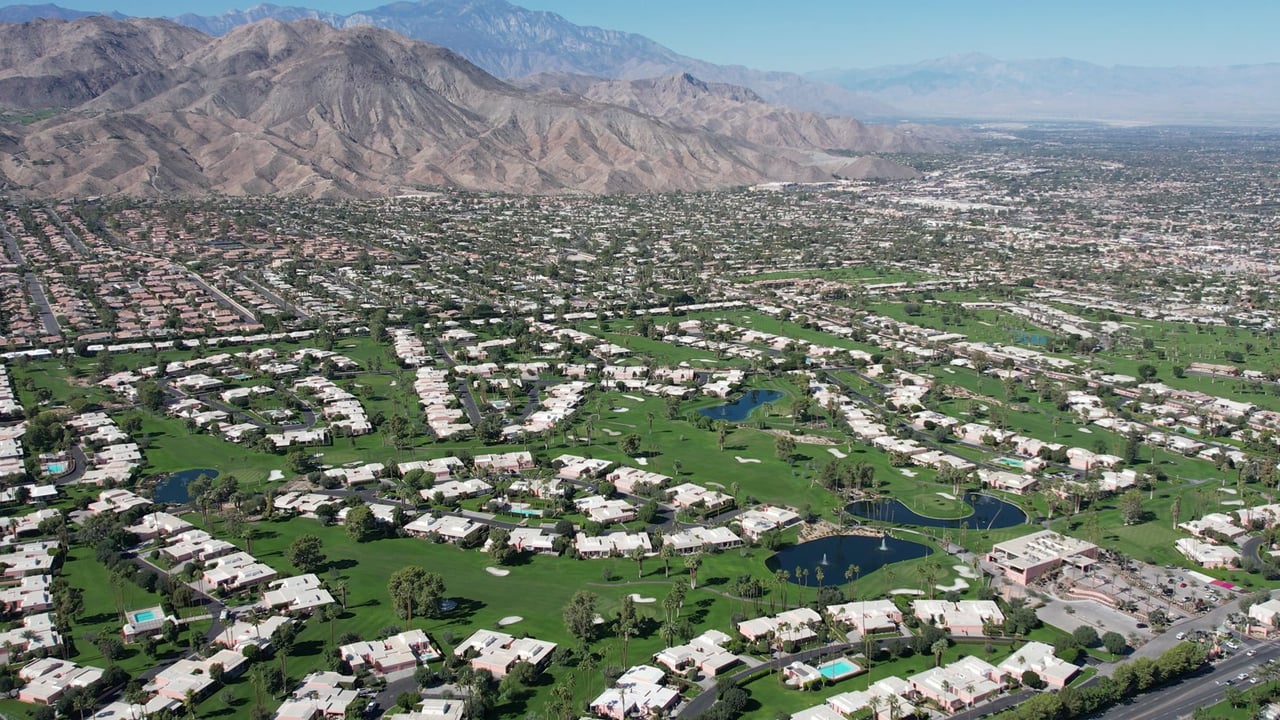
Palm Springs
How summer heat, winter seasonality, home maintenance, carrying costs, community rhythm, and California residency questions change when the desert is your primary home… Read more
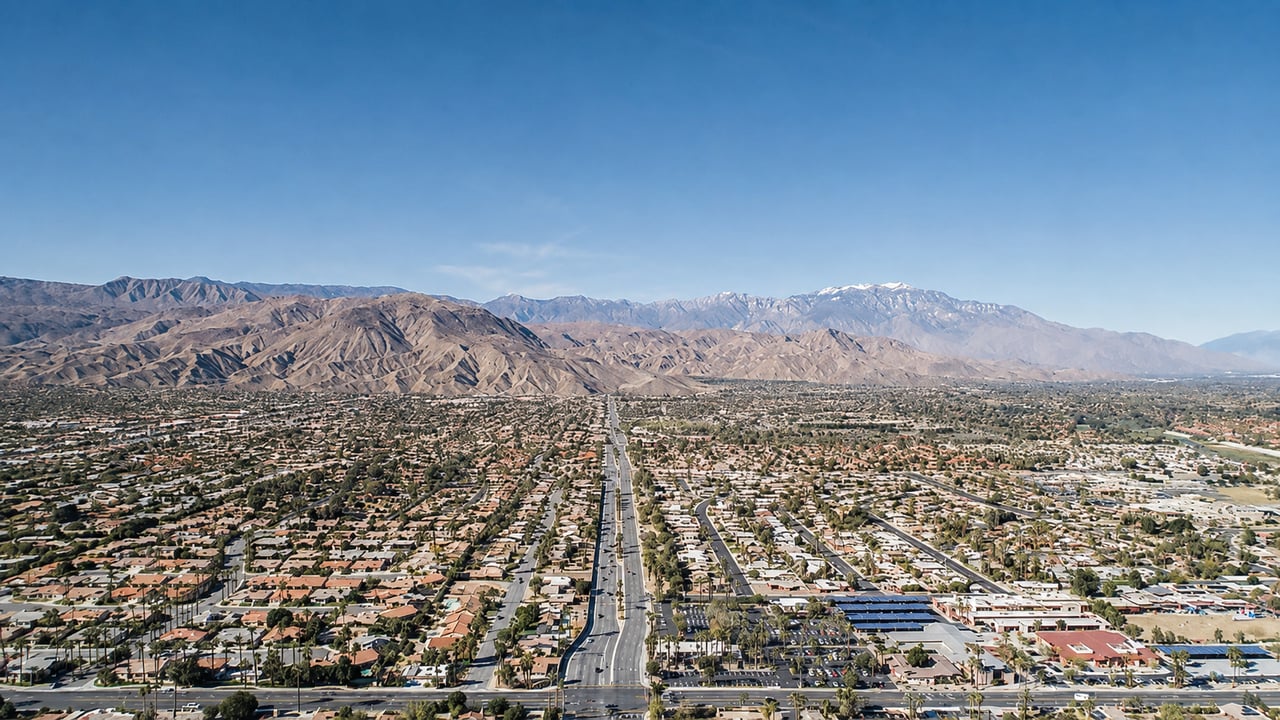
Construction is underway near Highway 111, but sales have not opened yet. Here is what Shea Homes has published so far about pricing, home sizes, architecture, ameniti… Read more
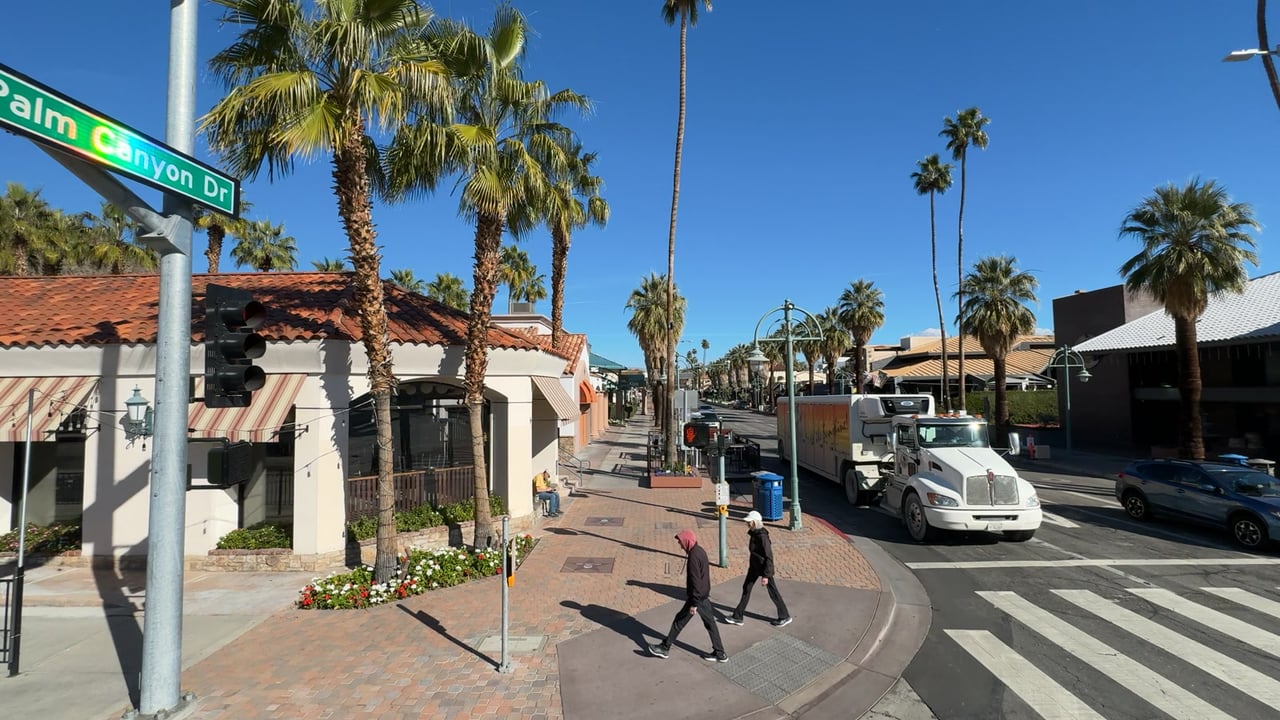
Palm Springs
What buyers should know about everyday driving, I-10 vs. Highway 111, seasonal congestion, event traffic, weather closures, transit, and testing real routes before cho… Read more
With ten years of experience as a licensed agent, Tommy is an innovator in utilizing social media marketing to help sell homes. He has a successful YouTube channel with thousands of subscribers, generating hundreds of thousands of views yearly. He stays updated on the latest marketing techniques and ensures each property stands out.
Contact Tommy to Learn More

74801 Hovley Ln E. Palm Desert, CA 92260 Tommy Jordan | CA DRE# 01887038