Where to Live in La Quinta: Comparing the Main Areas
La Quinta Tommy Jordan July 23, 2026
La Quinta Tommy Jordan July 23, 2026
Choosing where to live in La Quinta is not only a question of price or whether a home is inside a gated community.
The city stretches from full-time residential neighborhoods near Highway 111 to the Cove and Old Town, established country clubs, quiet South La Quinta communities near the Santa Rosa Mountains, and age-qualified neighborhoods farther from the main commercial corridors.
Those areas can create very different ownership experiences. One buyer may want a non-gated home near shopping and everyday services, while another may prioritize golf, social amenities, mountain views, seasonal privacy, or a low-maintenance second home.
This guide explains the main parts of La Quinta, who they tend to fit, and which property-specific questions buyers should answer before deciding where to focus their home search.
North La Quinta is a practical starting point for buyers who want more full-time residential neighborhoods, access to Highway 111 shopping, and options with limited or no HOA obligations. The Cove and Old Town offer mountain proximity, trails, local restaurants, and one of the city's largest concentrations of non-gated homes. Central La Quinta and the country-club corridor appeal to buyers who want golf, security, social amenities, and easier access to Palm Desert and Indian Wells. South La Quinta is best known for quiet streets, dramatic mountain views, resort-style communities, premium private clubs, and a stronger seasonal-home pattern. The right area depends on how often you will use the home, which amenities you will actually use, and how much driving, maintenance, and recurring community cost fit your plans.
This guide uses Tommy Jordan's La Quinta area video as its primary local source and cross-checks current city geography, recreation, demographics, and vacation-rental rules through the City of La Quinta, the U.S. Census Bureau, and official local resources.
La Quinta sits along the eastern side of the developed Coachella Valley, directly east of Indian Wells and south of portions of Palm Desert. The Santa Rosa Mountains form the visual edge of much of the city, especially around the Cove and South La Quinta.
The easiest way to understand the city is to think of it as a series of lifestyle zones rather than one uniform market:
Location inside La Quinta affects more than drive time. It can change the wind exposure, view, level of seasonal occupancy, proximity to shopping, access to trails, HOA structure, and how often you expect to leave the neighborhood.
Buyers comparing the broader valley can also review the complete Palm Desert city guide and the Indian Wells city guide before deciding how far east they want to live.
North La Quinta generally refers to neighborhoods north of Highway 111 and the residential areas near Fred Waring Drive, Miles Avenue, Jefferson Street, and Washington Street.
This part of the city includes non-gated streets, gated communities with comparatively simple amenity structures, and a larger share of primary residences than buyers may encounter in the most resort-oriented southern clubs.
The practical advantage is access. Highway 111 places residents near grocery stores, everyday retail, restaurants, a movie theater, home-improvement stores, and the commercial services used throughout the week. Interstate 10 is also easier to reach from the northern side of the city.
North La Quinta may be a strong fit for buyers who want:
A non-gated address is not automatically maintenance-free or unrestricted. Buyers still need to confirm recorded covenants, landscaping costs, pool care, solar agreements, insurance, and any community-specific obligations.

Photo by Ken Lund, CC BY-SA 2.0, via Wikimedia Commons.
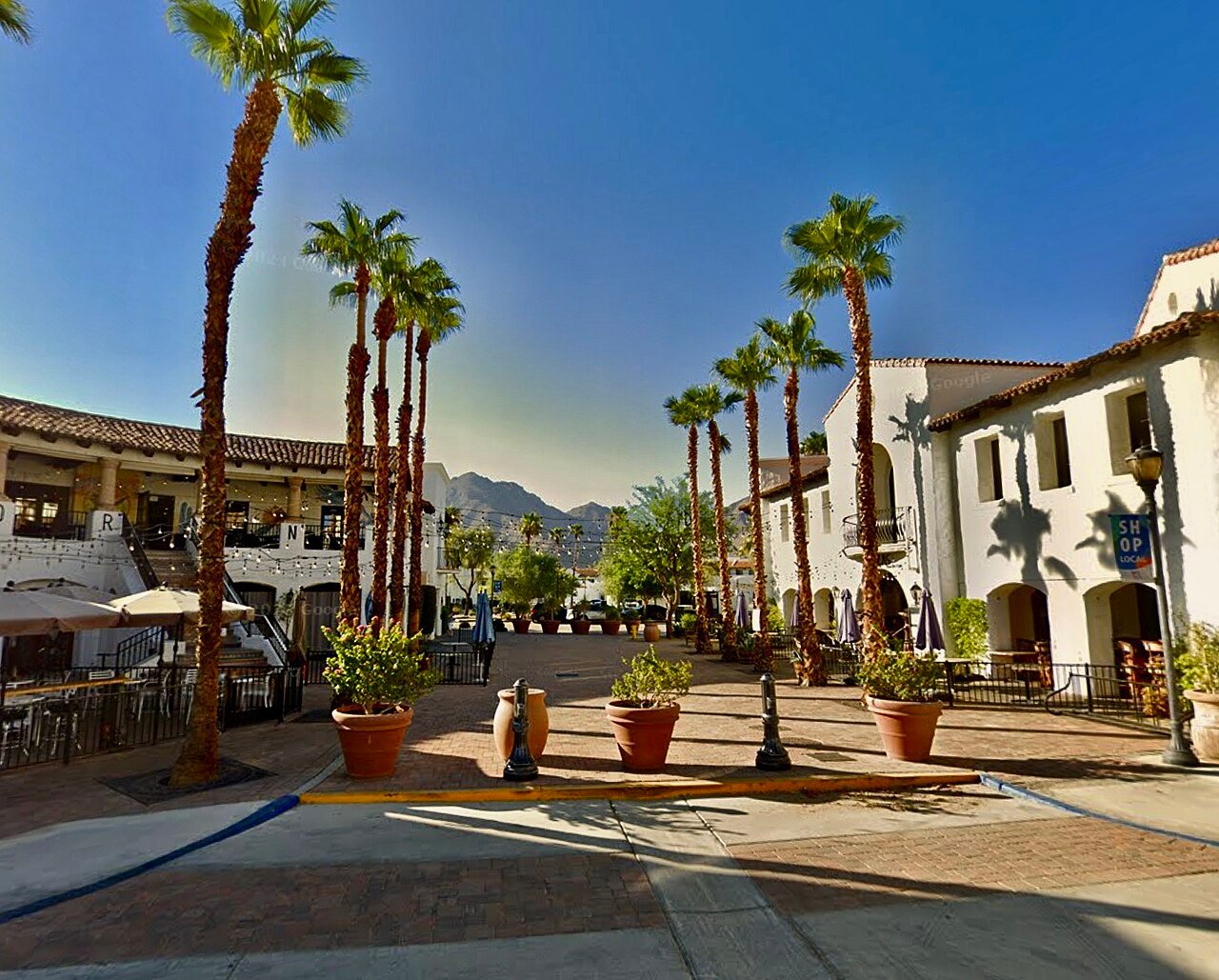
The La Quinta Cove is one of the city's best-known non-gated residential areas. It sits below the mountains and connects naturally with Old Town, the Civic Center, local parks, and trail access at the southern end of the Cove.
This area can feel more independent than a private country club because owners generally manage their own landscaping, pools, roofs, exterior improvements, and security choices. Homes also vary considerably in age, condition, architecture, and renovation quality.
Old Town gives the area a recognizable center. Its official directory includes more than 30 restaurants, boutiques, salons, and services, while nearby public spaces and trailheads create opportunities to combine errands, dining, walking, and outdoor recreation.
The City identifies the Cove Oasis Trailhead as a 114-acre open-space area with access to routes such as the Boo Hoff and Bear Creek trails. Fritz Burns Park also provides public pickleball, tennis, a pool, playgrounds, a dog park, and other recreation near the Cove and Old Town.
The Cove and Old Town may fit buyers who value:
Buyers focused on year-round retirement considerations should also read 7 Things to Know Before Retiring in La Quinta. For a deeper look at trails and recreation, see Outdoor Lifestyle in La Quinta.
The middle of La Quinta contains several established golf and gated communities close to Washington Street, Jefferson Street, Avenue 48, Avenue 50, Highway 111, and neighboring Indian Wells.
This location can give buyers a balance between resort-style living and practical access. Depending on the community, residents may be within a short drive of Old Town, grocery stores, Highway 111 shopping, El Paseo, restaurants, medical offices, and the Indian Wells Tennis Garden.
The most important distinction is that an HOA and a private club are not always the same organization. Ownership may include certain social amenities, require a separate membership, offer optional membership levels, or provide no club access at all.
Before writing an offer in a country-club or gated community, verify:
"You could have very different experiences in La Quinta depending on what community you buy in." - Tommy Jordan
That is why a listing price alone cannot tell you which community provides the strongest value. Buyers who want a more detailed club comparison can read Comparing La Quinta's Top Golf Communities for Buyers.
Start by getting your FREE Palm Springs Area Relocation Guide: download the Palm Springs Area Relocation Guide.
South La Quinta includes PGA West, communities around Madison Street and Avenue 54, private clubs near the mountains, and newer or boutique gated developments around Coral Mountain.
This is where La Quinta's resort identity becomes most visible. The City describes La Quinta as a destination with more than 20 golf courses, and the southern part of the city contains a large concentration of golf-oriented homes, clubhouses, custom estates, attached residences, and lock-and-leave properties.
The strongest advantages are the setting and atmosphere. Homes may sit closer to the Santa Rosa Mountains, overlook golf courses or lakes, and feel farther removed from Highway 111 traffic and commercial activity.
The trade-off is distance. Buyers should test the actual drive to the airport, Palm Springs, Palm Desert, healthcare, family, work, and the services they expect to use regularly. A peaceful location can be ideal for a seasonal owner but less convenient for someone whose routine takes them across the valley several times each week.
South La Quinta also ranges from full-service private clubs to gated communities with few shared amenities. Do not assume every gated entrance includes golf, dining, fitness, or extensive maintenance.
Best fit: Buyers who value mountain views, golf, quiet roads, resort-style amenities, privacy, and seasonal or second-home use more than central-valley convenience.

Public-domain image from the City of La Quinta, via Wikimedia Commons.
Not every La Quinta buyer wants a large private club, and not every buyer wants a completely independent non-gated home.
Boutique gated neighborhoods can provide controlled access and newer construction without the full amenity package or carrying cost of a major country club. These communities may work well for buyers who want a second home, a newer property, or a simpler lock-and-leave setup but do not expect to use golf, dining, or an extensive social calendar.
Age-qualified communities add another option. They can combine single-story homes, organized activities, fitness, pools, golf or recreation, and a resident population in a similar stage of life.
Before buying in a 55+ community, confirm:
These communities can be highly convenient for the right buyer, but the lifestyle should be evaluated as carefully as the house.
La Quinta supports full-time residents, retirees, families, snowbirds, and second-home owners. The U.S. Census Bureau estimated the city's 2025 population at 39,440 and reported that 31.6% of residents were age 65 or older.
Those citywide figures do not reveal how occupied a specific neighborhood feels in July or August. Some club communities remain active throughout the year, while others become much quieter after the winter and spring season.
If year-round community activity matters, ask:
Visit the community during both the winter season and a hotter summer period when possible. A neighborhood can feel very different depending on the month and time of day.
La Quinta regulates short-term vacation rentals, and a listing description should never be treated as proof that a new owner can obtain a permit.
The City's current program states that new General and Primary short-term vacation-rental permits are permanently banned except in limited exempt areas. Homeshare permits and certain qualifying large lots follow separate rules, and individual HOAs may impose restrictions that are stricter than the City's requirements.
If rental income is part of your plan, verify all of the following before removing contingencies:
Rules can change, so confirm the property directly with the City and review the current association documents rather than relying on an older permit, a seller's recollection, or a real-estate portal.
Start with how you intend to use the home, then compare properties only within the areas and ownership structures that fit that plan.
You can browse current La Quinta homes for sale and review the La Quinta community guide before narrowing your in-person tours.
La Quinta offers several versions of desert living inside one city.
North La Quinta is practical and more residential. The Cove and Old Town combine independence, local character, and outdoor access. Central La Quinta provides a flexible mix of established neighborhoods and country clubs. South La Quinta emphasizes golf, views, privacy, and resort atmosphere. Boutique gated and 55+ communities fill the space between those choices.
The strongest neighborhood is not automatically the one with the most amenities or the most impressive entrance. It is the one whose location, rules, carrying costs, maintenance responsibilities, and seasonal rhythm match how you actually plan to live.
For additional regional context, read 5 Reasons People Are Moving to the Palm Springs Area and the guide to buying a home in Rancho Mirage.
There is no single best area for every buyer. North La Quinta is practical for full-time living and shopping access, the Cove and Old Town appeal to buyers who want non-gated homes and mountain access, and South La Quinta is strongest for golf, views, privacy, and resort-style communities.
North La Quinta generally offers easier access to Highway 111, Interstate 10, schools, shopping, and primary-residence neighborhoods. South La Quinta offers more golf communities, private clubs, mountain views, quiet streets, and seasonal-home options. The better choice depends on daily routine and intended use.
Yes. La Quinta includes non-gated neighborhoods without mandatory association dues, particularly in the Cove and portions of North La Quinta. Buyers should still verify recorded restrictions and all property-maintenance responsibilities.
Not always. Membership may be required, optional, separate from the real-estate purchase, included at a social level, or unavailable because of a waitlist. Confirm the exact HOA and club structure for the specific property.
It can be. Full-time buyers often focus on access to shopping, healthcare, primary-residence neighborhoods, year-round community activity, summer comfort, and realistic driving times. North and central La Quinta may feel more convenient for those priorities than the far-southern resort areas.
Potentially, but eligibility is property-specific. The City currently bans new General and Primary permits outside limited exempt areas, while homeshare and qualifying large-lot rules follow separate pathways. HOA restrictions may be stricter, so verify the exact address before relying on rental income.
Tommy Jordan is a California real estate agent (CA DRE #01887038) and leads The Tommy Jordan Group at eXp Realty (CA DRE #02187306). He helps buyers and sellers throughout La Quinta, Palm Desert, Palm Springs, Rancho Mirage, Indian Wells, and the greater Coachella Valley, and is known for honest local guidance and practical relocation advice. Learn more about Tommy Jordan or watch the Tommy Jordan | Palm Springs Area Living YouTube channel.

If you're thinking about moving to the Palm Springs area, our team is here to help make the process simple and stress free.
We've helped hundreds of buyers relocate to the Palm Springs area, and we'd love to help you find the right home and community for your lifestyle.
Start by getting your FREE Palm Springs Area Relocation Guide:
https://tommyjordanre.com/relocation-guide
Have questions or ready to start your home search?
Call or Text: (760) 469-9182
Email: [email protected]
Whether you're moving next month or just starting your research, we're here to help every step of the way.
Palm Springs
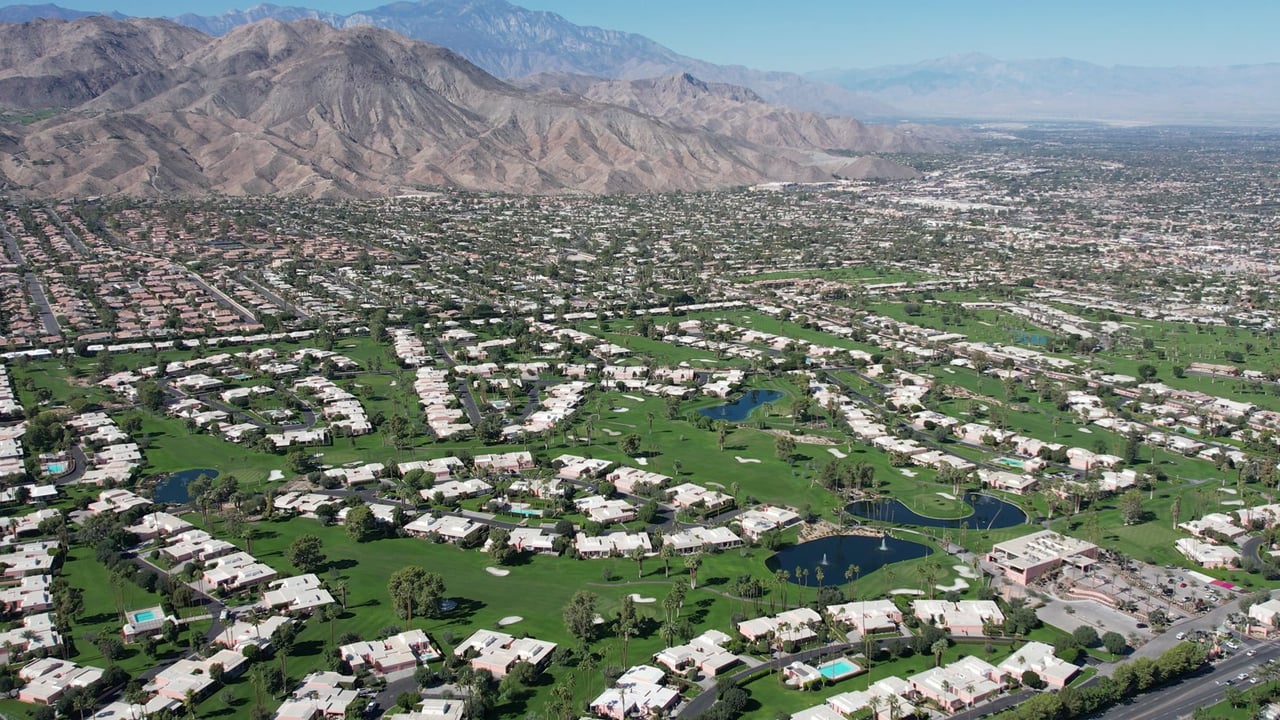
How summer heat, winter seasonality, home maintenance, carrying costs, community rhythm, and California residency questions change when the desert is your primary home… Read more
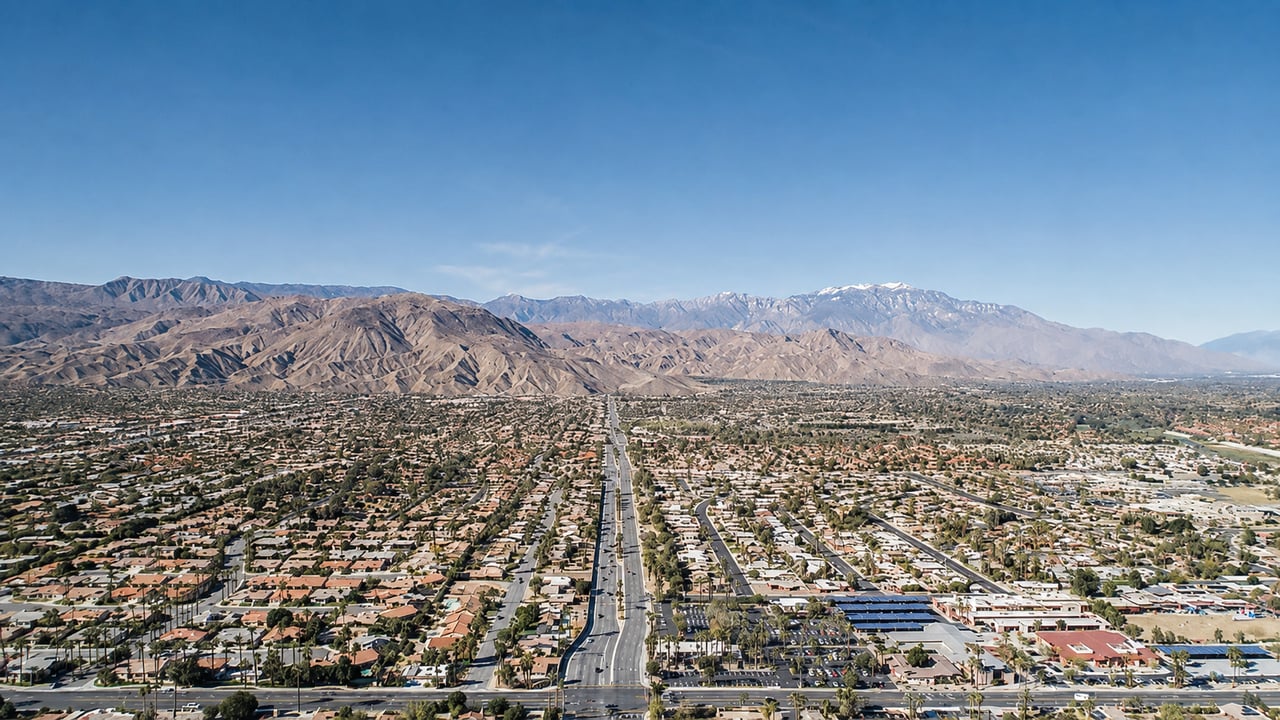
Construction is underway near Highway 111, but sales have not opened yet. Here is what Shea Homes has published so far about pricing, home sizes, architecture, ameniti… Read more
Palm Springs
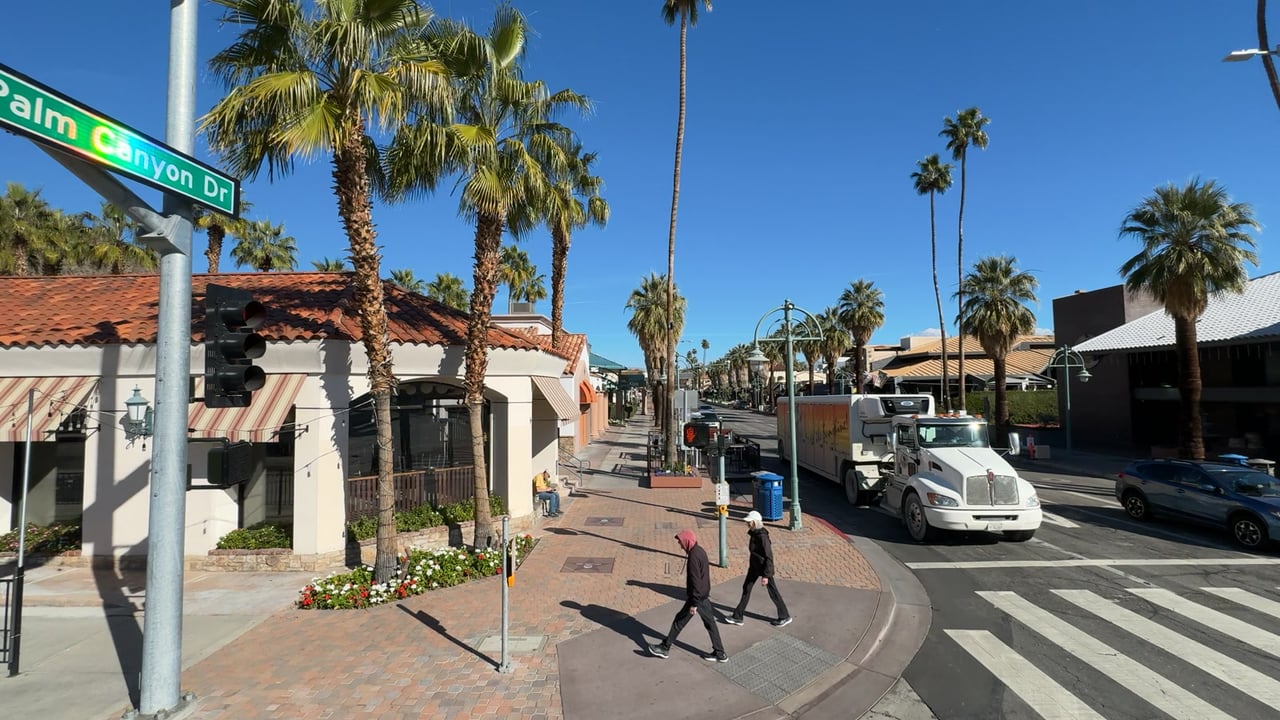
What buyers should know about everyday driving, I-10 vs. Highway 111, seasonal congestion, event traffic, weather closures, transit, and testing real routes before cho… Read more
With ten years of experience as a licensed agent, Tommy is an innovator in utilizing social media marketing to help sell homes. He has a successful YouTube channel with thousands of subscribers, generating hundreds of thousands of views yearly. He stays updated on the latest marketing techniques and ensures each property stands out.
Contact Tommy to Learn More

74801 Hovley Ln E. Palm Desert, CA 92260 Tommy Jordan | CA DRE# 01887038