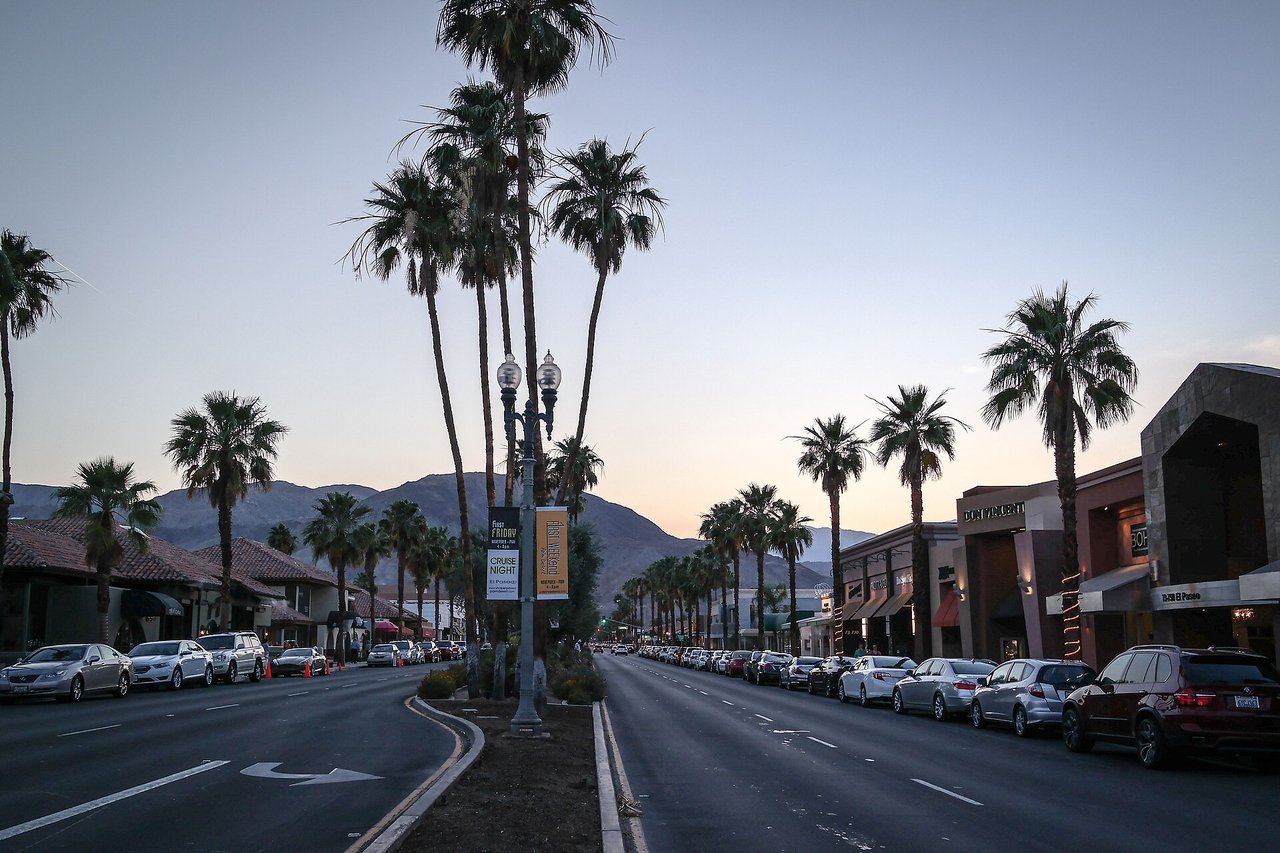
Palm Desert Home-Buying Mistakes That Can Cost You Thousands
Palm Desert Tommy Jordan July 28, 2026
Palm Desert Tommy Jordan July 28, 2026
A Palm Desert home can look nearly perfect online. The kitchen is bright, the floors are new, the bathrooms photograph beautifully, and the backyard appears ready for desert evenings by the pool.
The expensive problems are often the details a listing photo cannot show: an aging air-conditioning system, original plumbing beneath new flooring, incomplete renovation permits, a location that feels windier than expected, or recurring community costs that do not match the way you plan to live.
Palm Desert offers an unusually wide range of choices, from established non-gated neighborhoods and remodeled midcentury homes to newer gated developments, condominiums, and full-service country clubs. That variety is a strength, but it also means two similarly priced properties can create very different maintenance, monthly-cost, and resale experiences.
This guide explains the most important Palm Desert home-buying mistakes to avoid and the due-diligence questions that can help you understand the full property before you remove contingencies.
The biggest mistakes are judging a renovation by its finishes, weakening the inspection process, failing to verify permits and final approvals, ignoring property-specific wind and dust exposure, and choosing an HOA or country-club structure without calculating its complete cost. A strong purchase decision should account for the roof, HVAC, plumbing, electrical systems, pool equipment, location, association finances, club obligations, property taxes, insurance, and long-term maintenance—not only the visible upgrades.
This guide combines Tommy Jordan's firsthand Palm Desert buyer guidance with current information from the California Department of Real Estate, the City of Palm Desert Building & Safety Division, South Coast AQMD, and property-specific HOA and disclosure documents that buyers should review during escrow.
A remodeled Palm Desert home may have new tile, paint, cabinets, counters, fixtures, landscaping, and staging while still retaining older mechanical and structural components.
That does not automatically make the renovation poor. It means buyers need to separate cosmetic improvements from system improvements.
Tommy describes this as the “cosmetic flip trap”: the renovation budget is concentrated on what photographs well, while the roof, HVAC, electrical panel, water heater, sewer line, supply piping, or pool equipment may remain near the end of its useful life.
Before paying a premium for a renovated home, ask for documentation showing what was actually replaced or repaired. Useful records may include invoices, warranties, permit history, contractor information, equipment model and serial numbers, and seller disclosures.
Pay particular attention to:
Buyers who appreciate Palm Desert's older housing should not be discouraged by age alone. Established homes can offer architecture, lots, locations, and character that newer construction cannot duplicate. The goal is to understand whether the price reflects a complete renovation, a primarily cosmetic renovation, or an older home that will need a planned capital budget.
For a broader explanation of Palm Desert's housing areas and how they differ from north to south, read the complete Palm Desert city guide.
A home inspection is not designed to guarantee that nothing will fail. It is an opportunity to identify visible conditions, understand which systems need additional review, and make better decisions before the investigation period ends.
The California Department of Real Estate advises buyers to use qualified professionals to evaluate electrical, plumbing, HVAC, roofing, foundation, solar, and structural conditions and to include the inspection process in the offer contingencies.
In Palm Desert, a general inspection may lead to more specialized evaluations depending on the home's age and condition. Those can include:
Tommy's warning is direct: “A pretty kitchen does not matter one bit if your air conditioning fails in the middle of July.”
That does not mean every older HVAC system must be replaced immediately. It means its age, maintenance history, performance, refrigerant type, and realistic replacement horizon should be part of the offer and ownership budget.
Inspection findings can also influence negotiations. Depending on the contract and circumstances, buyers may request repairs, request a credit, renegotiate, accept the condition, or exercise available contingency rights. Our guide to how escrow works when buying in Palm Desert explains how investigations and contingencies fit into the broader transaction.

Photo by Visitor7, CC BY-SA 3.0, via Wikimedia Commons.
A polished renovation does not prove that every altered system was permitted, inspected, and finalized.
The City of Palm Desert lists residential permit categories for remodels, electrical-panel work, HVAC replacement, plumbing, pools and spas, reroofing, water-heater replacement, and window replacement. The City's inspection process is intended to confirm that permitted work follows approved plans, applicable codes, and safety standards.
During due diligence, compare the home's visible improvements and seller disclosures with available permit and inspection records. Ask:
A missing permit does not tell you, by itself, whether work is defective. It does create another issue to investigate with the appropriate professionals, the City, the seller, and your real estate and legal advisers.
Permit research should supplement—not replace—the physical inspection. Approved work can age or fail, while unpermitted work may require correction, documentation, or further evaluation.
Wind is part of the Coachella Valley, but it is not experienced identically at every Palm Desert address.
South Coast AQMD operates dust-monitoring cameras and a regional air-monitoring network because windblown dust can affect particle-pollution conditions across the valley. The agency uses camera imagery to study dust-source areas and improve PM10 forecasts and advisories.
For a home buyer, the practical question is not whether Palm Desert has wind. It is whether the property's exposure fits the outdoor lifestyle you expect.
Tommy's local observation is that northern and more open portions of Palm Desert can feel breezier, while some locations closer to the Santa Rosa Mountains may feel more protected. That is a useful starting point, not a guarantee for an individual parcel. Walls, elevation, open land, street orientation, surrounding buildings, landscaping, and the specific weather pattern all matter.
Visit a property more than once, including later in the afternoon when possible. Check:
Some buyers gladly accept more wind in exchange for a newer home, easier Interstate 10 access, or more square footage for the budget. Others place a premium on a calmer backyard and mountain proximity. Neither preference is universally correct.
The Palm Springs versus Palm Desert comparison and our guide to moving to the Palm Springs area provide additional regional context.
Start by getting your FREE Palm Springs Area Relocation Guide: download the Palm Springs Area Relocation Guide.
Palm Desert's location trade-offs are one reason a citywide price comparison can be misleading.
A northern neighborhood may offer newer construction, easier freeway access, and more home for the budget. South Palm Desert may offer closer mountain views, proximity to El Paseo and The Living Desert, established architecture, larger custom lots in some areas, or a different outdoor feel.
The right comparison should include more than purchase price:
Tommy has lived in different parts of Palm Desert and describes this as a personal trade-off rather than a simple ranking. A buyer who prioritizes a newer house and value per square foot may make a different choice from someone whose main goal is quiet evening pool use and dining outdoors.
Second-home buyers may also find it useful to read how to choose a desert second home and what it is like to split time between the coast and Palm Desert.
In a Palm Desert country-club community, the HOA and the private club may be separate organizations with separate charges.
A listing may show one HOA amount while the full ownership structure also includes a sub-association, social membership, golf membership, initiation or transfer charges, capital contributions, food-and-beverage minimums, or optional service packages.
Before making an offer, identify every recurring and one-time obligation tied to the exact property:
Review the current association documents, budget, reserve information, insurance, recent meeting records, assessment notices, litigation disclosures, and rental rules. Do not rely on an older listing, a neighboring property's dues, or a number remembered from a prior sale.
For a deeper breakdown, read what Palm Desert HOA fees cover and cost and compare Palm Desert country clubs with non-gated neighborhoods.

Photo by Christopher Hurdzan / HurdzanGolf, CC BY-SA 2.0, via Wikimedia Commons.
A country club can be an excellent value for a buyer who uses the golf, dining, fitness, racquet sports, pools, social programming, security, and community services.
The mistake is not paying high dues. The mistake is paying high dues for amenities that are irrelevant to your actual routine.
Ask yourself:
Palm Desert includes a middle ground between full country-club living and a completely independent non-gated home. Smaller gated neighborhoods may provide controlled access, common-area maintenance, or a community pool without a private golf-club structure.
You can begin comparing options through the Palm Desert community guide and current Palm Desert homes for sale.
The monthly mortgage payment is only one component of Palm Desert ownership.
Build a property-specific annual budget that includes:
A lower purchase price can be offset by deferred maintenance or high recurring charges. A higher-priced home may provide updated systems, stronger association reserves, or services that reduce an absentee owner's vendor burden.
Compare the complete cost over several years rather than choosing solely by the asking price or the first month's payment.
A non-HOA home can provide freedom, lower recurring fees, and more control over exterior decisions. It can also place every maintenance responsibility directly on the owner.
Without an association, you may be responsible for the private pool, landscaping, walls, roof, driveway, exterior paint, security, irrigation, and all vendor coordination. Recorded covenants, easements, municipal rules, and rental regulations may still affect the property even when no monthly HOA dues exist.
For a seasonal owner, the right question is not simply “Does this home have an HOA?” It is “Which ownership structure makes the property easiest and most cost-effective for me to operate?”
Palm Desert is not one uniform housing market. A remodeled home near El Paseo, a newer northern development, a condominium in a golf community, and a non-gated South Palm Desert residence should not be evaluated with the same checklist or cost assumptions.
Before removing contingencies, confirm:
The objective is not to find a home with no maintenance, no trade-offs, and no future expense. That home does not exist. The objective is to understand the trade-offs before purchasing and make sure they match your budget and lifestyle.
Palm Desert is one of the most versatile places to buy in the Coachella Valley. It offers central access, shopping and dining, golf, established neighborhoods, newer construction, non-gated homes, condominiums, and private clubs.
The variety is exactly why local due diligence matters.
A visually impressive renovation may still need mechanical work. A less expensive location may involve a wind trade-off that one buyer accepts and another does not. A high-fee club may feel worth every dollar to an active member and wasteful to someone who rarely uses it.
The best purchase is not automatically the newest home, the lowest-priced home, or the community with the most amenities. It is the property whose condition, location, ownership structure, monthly cost, and long-term responsibilities align with how you will actually live.
No. Older Palm Desert homes can offer desirable architecture, locations, lots, and character. Buyers should evaluate system age, renovation quality, permit history, and future capital needs rather than making a decision based on age alone.
A general inspection should evaluate visible components and identify areas needing specialist review. Depending on the property, buyers may also need HVAC, roof, sewer, plumbing, electrical, pool, pest, solar, or structural inspections.
Compare seller disclosures and visible improvements with City permit and inspection records. Ask whether required permits were issued, inspections were completed, and final approval was recorded. Consult the City and appropriate professionals when records do not match the property.
No property should be judged solely by a broad north-versus-south rule. Northern and open locations may feel breezier, while some areas closer to the mountains may feel more protected, but parcel orientation, walls, open land, elevation, landscaping, and weather conditions all matter.
Not necessarily. The HOA and private club may be separate. A property can involve master and sub-HOA dues plus social, golf, initiation, transfer, capital, or other club charges. Verify the current structure for the exact home.
It may have lower recurring association costs, but the owner may pay separately for landscaping, pool service, security, exterior maintenance, roof work, and every major repair. Compare complete annual costs rather than HOA dues alone.
They can narrow the buyer pool for cost-sensitive shoppers, while strong amenities, maintenance, reserves, and management can appeal to buyers seeking a lock-and-leave lifestyle. Resale impact depends on what the dues provide and how the community compares with alternatives.
Ask whether the home's complete condition, location, rules, recurring expenses, and maintenance responsibilities fit the way you intend to use it. The answer should be property-specific.
Tommy Jordan is a California real estate agent (CA DRE #01887038) and leads The Tommy Jordan Group at eXp Realty (CA DRE #02187306). He helps buyers and sellers throughout Palm Desert, Palm Springs, Rancho Mirage, Indian Wells, La Quinta, and the greater Coachella Valley, and is known for honest local guidance and practical relocation advice. Learn more about Tommy Jordan or watch the Tommy Jordan | Palm Springs Area Living YouTube channel.

If you're thinking about moving to the Palm Springs area, our team is here to help make the process simple and stress free.
We've helped hundreds of buyers relocate to the Palm Springs area, and we'd love to help you find the right home and community for your lifestyle.
Start by getting your FREE Palm Springs Area Relocation Guide:
https://tommyjordanre.com/relocation-guide
Have questions or ready to start your home search?
Call or Text: (760) 469-9182
Email: [email protected]
Whether you're moving next month or just starting your research, we're here to help every step of the way.
Palm Springs
How summer heat, winter seasonality, home maintenance, carrying costs, community rhythm, and California residency questions change when the desert is your primary home… Read more
Construction is underway near Highway 111, but sales have not opened yet. Here is what Shea Homes has published so far about pricing, home sizes, architecture, ameniti… Read more
Palm Springs
What buyers should know about everyday driving, I-10 vs. Highway 111, seasonal congestion, event traffic, weather closures, transit, and testing real routes before cho… Read more
With ten years of experience as a licensed agent, Tommy is an innovator in utilizing social media marketing to help sell homes. He has a successful YouTube channel with thousands of subscribers, generating hundreds of thousands of views yearly. He stays updated on the latest marketing techniques and ensures each property stands out.
Contact Tommy to Learn More

74801 Hovley Ln E. Palm Desert, CA 92260 Tommy Jordan | CA DRE# 01887038