Palm Springs Area Home Inspection Checklist: Desert-Specific Issues
Palm Springs Tommy Jordan August 19, 2026
Palm Springs Tommy Jordan August 19, 2026
A Palm Springs area home can look beautifully maintained and still have property-specific issues that are easy to miss during a normal showing. Desert heat, wind, dust, irrigation, pools, seasonal vacancy, and sudden stormwater all put different pressure on a home than buyers may be used to in cooler or wetter climates.
The goal of a home inspection is not to create a reason to walk away. It is to understand the condition of the property, decide where specialist follow-up is worth the time, and know which items may affect your ownership costs after closing.
A strong Palm Springs home inspection checklist should go beyond the basic interior walk-through. Pay close attention to the HVAC system, pool and spa equipment, doors and windows exposed to wind and dust, irrigation, visible pest or vacancy clues, drainage paths, and any additions or major alterations that may need permit verification. A general home inspection is the starting point. If it raises questions about a major system, bring in the right specialist before your inspection contingency expires.
If you are still comparing properties, you can also browse current Palm Springs homes for sale and use this checklist to compare condition as carefully as location, architecture, and price.
A general home inspection is a noninvasive look at the home's visible and accessible systems and components. It can identify material defects and point you toward areas that deserve more evaluation, but it is not the same thing as opening walls, engineering a structure, scoping every sewer line, or performing a full mechanical diagnosis on every piece of equipment.
That distinction matters in the desert because many homes have expensive systems outside the basic living space. Pools, spas, multiple HVAC units, solar equipment, landscape irrigation, outdoor kitchens, fountains, shade structures, and detached additions can all create extra inspection questions.
Before the appointment, ask what the inspector's standard scope includes. If the property has a pool, solar, an older roof, visible cracking, unusual drainage, a history of remodeling, or an aging HVAC system, decide in advance which specialists you may want available for follow-up.
The best inspection period is organized. Start broad, then use the findings to decide where a deeper specialist inspection is justified.
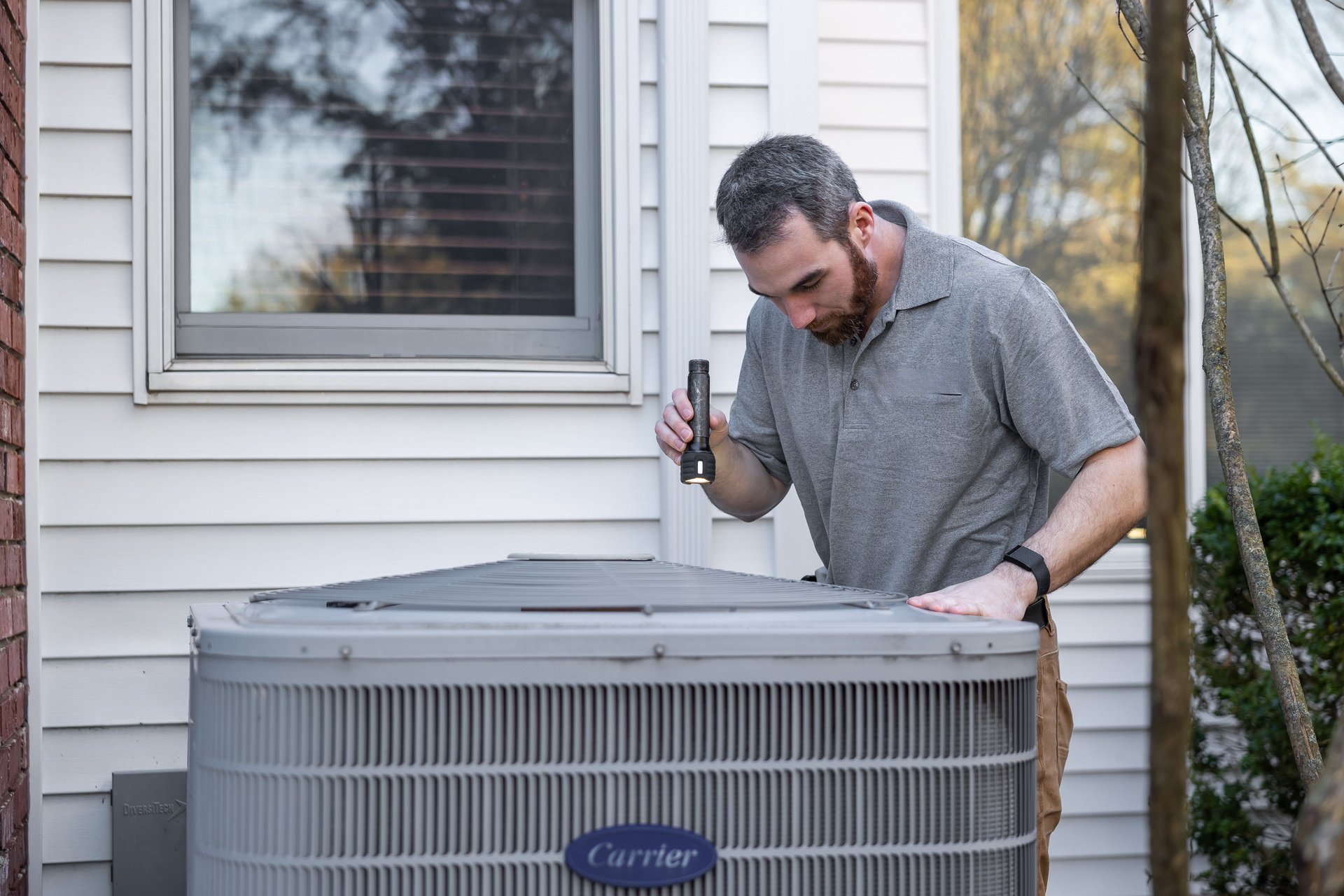
Air conditioning is one of the most important mechanical systems in a Palm Springs area home. A clean-looking thermostat does not tell you the condition of the condenser, air handler, ductwork, condensate drainage, electrical components, or how evenly the house is actually cooling.
During the inspection, have the cooling system operated when weather and equipment conditions allow. Pay attention to whether the system responds normally, whether rooms feel noticeably uneven, whether there are signs of water around condensate lines or equipment, and whether filters, returns, registers, and accessible duct areas show obvious neglect.
Outside, look at the condenser location and condition. Heavy debris, damaged fins, vegetation pressed against the equipment, unusual noise, or visible deterioration are all reasons to ask more questions. If the home has multiple systems, each one should be identified and evaluated rather than treating the house as if it has one single HVAC condition.
Age alone does not tell you whether an HVAC system is good or bad. What matters is the combination of condition, performance, service history when available, and the cost exposure if a major component is nearing the end of its useful life. When the general inspection raises a concern, an HVAC contractor can provide a more focused evaluation.
In the desert, HVAC condition and performance deserve close attention because cooling is one of the home's most important mechanical systems.
In the Palm Springs area, a pool can be a major part of the property's value and a major source of future expense. Do not limit the inspection to whether the water looks clean.
Look at the visible condition of the pool surface, tile, coping, decking, drains, lights, autofill equipment when present, and surrounding hardscape. Run the pump and other accessible equipment. Check for visible leaks, unusual noise, corrosion, damaged plumbing, and deferred maintenance around the equipment pad. If there is a heater, spa, automation system, water feature, or other specialty equipment, make sure it is included in the review.
For California transfers involving a home with a pool or spa, the inspection report also addresses specified drowning-prevention safety features. That safety review is important, but it is not a substitute for a detailed evaluation of the pool's mechanical condition.
If the equipment is complex, old, leaking, noisy, or simply unclear, a dedicated pool professional can help you understand what is routine maintenance and what may be a larger repair.
Buying from outside the Coachella Valley? Start with The Tommy Jordan Group's FREE Palm Springs Area Relocation Guide. It can help you organize the bigger location and ownership questions while your inspection period stays focused on the exact property.
Wind exposure can change significantly from one part of the valley to another. That is why a property-level inspection matters more than a general statement that an entire city is windy or calm.
Look around exterior doors, sliding doors, garage openings, window tracks, screens, patios, and other transition points between indoors and outdoors. Repeated sand or dust accumulation can be a clue that seals, weatherstripping, screens, or door alignment deserve attention. Check whether windows and sliders open, close, and lock normally.
Also look at what wind exposure means for the rest of the property. Pool decks, outdoor furniture areas, roof edges, shade structures, gates, trees, and exposed mechanical equipment may show wear differently depending on the home's orientation and location.
This is one reason a second visit can be useful when conditions change. A perfectly still showing day may not tell you how the property behaves during a stronger wind event.
For a nearby example of how wind exposure can change the buying decision, see our Rancho Mirage buyer guide.
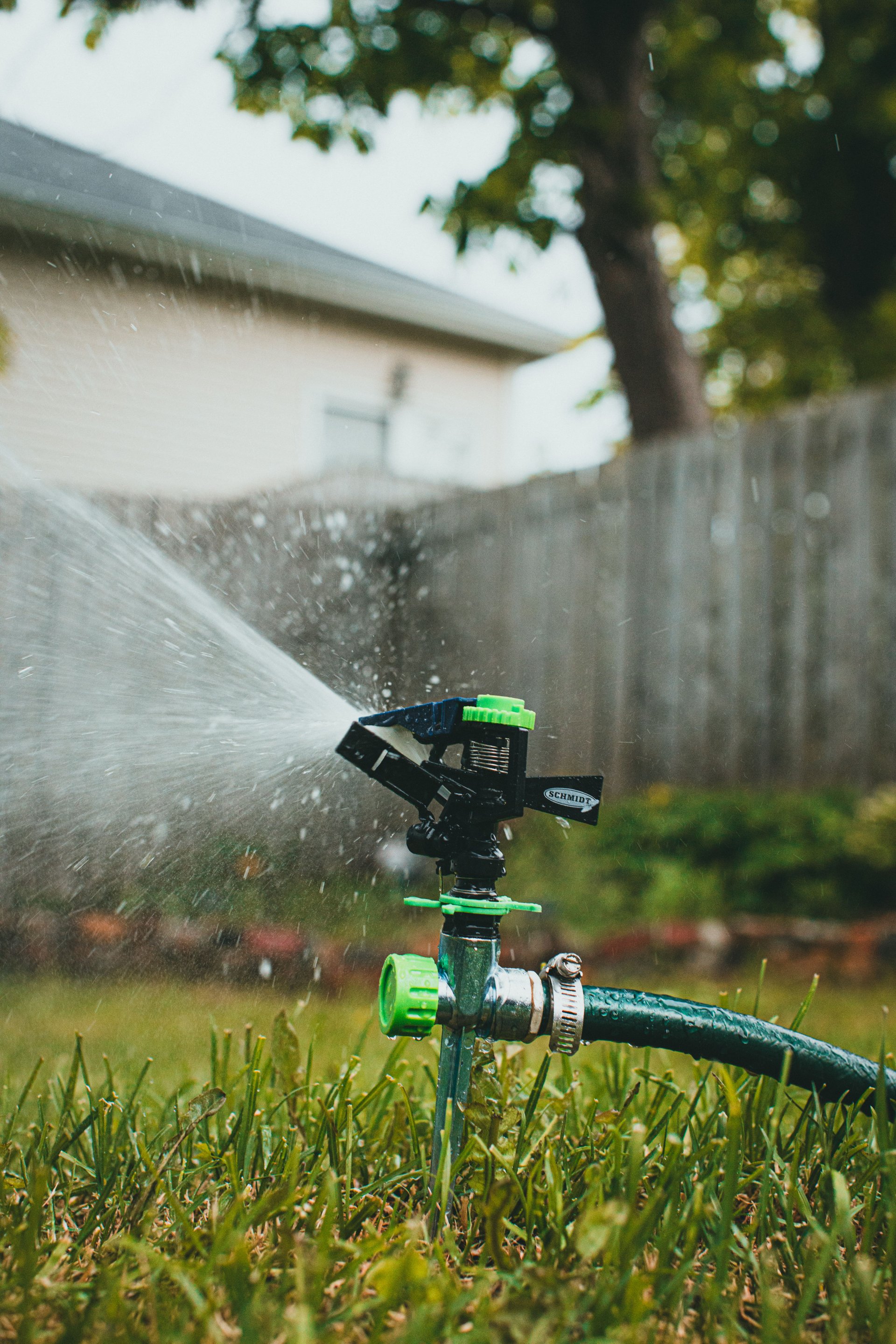
Desert landscaping may use less water than a traditional lawn, but irrigation still deserves a real inspection. A slow leak or broken emitter can be easy to miss when the system is not running.
Operate the controller when access and conditions allow, and look at each visible zone. Watch for broken sprinkler heads, damaged drip lines, water spraying onto hardscape, runoff toward the street, persistent wet spots, ponding, and plants that appear to be receiving very different amounts of water.
Then step back and look at the landscape as part of the property. Large trees close to walls, roofs, pool decks, drains, or mechanical equipment may need further evaluation. Fruit-bearing trees can also create cleanup needs and may attract rodents or other pests if fallen fruit is not managed.
A home that has been vacant or lightly occupied can tell a different story than one that has been lived in full time. Dead plants, overgrown areas, dried irrigation lines, or unusually wet spots can all justify a closer look rather than an assumption about what caused them.
Running the irrigation system can reveal leaks, overspray, runoff, ponding, and other maintenance issues that are easy to miss when the system is off.
Seasonal and second-home ownership is common across the Coachella Valley, which means some properties may sit lightly occupied for long stretches. That does not automatically create a problem, but it changes what you should look for.
Check garages, storage areas, utility spaces, patios, accessible attic areas, and the perimeter for droppings, nesting material, gnawing, dead insects, damaged screens, gaps, or other signs that pests may have found a way inside. Around the yard, fallen fruit and dense vegetation can create additional food or shelter.
If there are signs of termites, wood damage, rodents, or another recurring pest issue, do not guess at the extent. Bring in the appropriate licensed pest professional. California also maintains a search system for recent wood-destroying-organism inspection reports, which can be useful when a report has already been filed for the property.
Dry weather can make drainage feel unimportant. It is not. Mountain storms can move water through the Coachella Valley quickly, and the time to understand a property's drainage is before a major rain event.
Walk the exterior and look at the slope of the lot, low areas next to the house, patio drains, roof drainage, yard drains, retaining walls, and places where water could collect or be directed toward the structure. Look for stains, sediment lines, eroded soil, repeated ponding marks, or repairs that suggest water has moved through the area before.
Then separate property drainage from mapped flood risk. They are related questions, but they are not the same question. Use the exact address to review the current FEMA flood map and ask your insurance professional about the property-specific implications before closing.
A home inspection tells you about visible physical condition. It does not automatically prove that every alteration was permitted or approved.
If the home has an addition, enclosed patio, converted space, major electrical work, replaced HVAC equipment, structural changes, a newer pool or spa, significant solar work, or another substantial alteration, compare what you see with the seller's disclosures and the available permit history.
Permit requirements vary by the work and jurisdiction. In the City of Palm Springs, many regulated construction, mechanical, electrical, plumbing, roofing, HVAC, and alteration projects require permits. Homes in Rancho Mirage, Palm Desert, La Quinta, Indian Wells, and other desert cities should be checked through the applicable local building department rather than assuming Palm Springs records apply everywhere.
A permit record does not replace an inspection, and a good physical inspection does not replace a permit check. They answer different questions.
Older and architecturally distinctive homes can add another layer of due diligence. If that is what you are considering, our Palm Springs mid-century home styles guide covers the design features and maintenance questions that often matter.
The general inspection should help you prioritize, not force every buyer to order every possible specialist report.
Depending on the property and what the inspector observes, useful follow-up can include:
The point is not to overinspect every house. It is to spend your inspection time and money where the property gives you a reason to look deeper.
Use this list before your inspection contingency expires:
Do not let the inspection period get overloaded with unrelated ownership questions. Land ownership, HOA obligations, club costs, and rental rules still matter, but they should be handled as separate due-diligence tracks. Our guide to overlooked Palm Springs area buying issues covers those broader questions. If you are comparing fee-simple and lease-land homes, use our Palm Springs lease land vs. fee-simple guide.
A desert home inspection should be specific to the property in front of you. Two homes a few miles apart can have very different wind exposure, landscape maintenance, pool equipment, HVAC condition, drainage patterns, and renovation history.
Start with a strong general inspection, then use what you learn to decide whether an HVAC contractor, pool professional, roofer, electrician, plumber, pest professional, engineer, or another specialist needs to take a closer look.
That approach keeps the process practical. You are not trying to predict every future repair. You are trying to understand the home's current condition well enough to make a clear buying decision and build a realistic ownership plan.
If you are still deciding whether the desert fits your move, our guide to why people are moving to the Palm Springs area covers the broader lifestyle side of the decision.
Start with the home's structural and major mechanical, electrical, and plumbing components, then give extra attention to desert-specific property issues such as HVAC performance, pools and spas, wind and dust intrusion, irrigation, pests, drainage, and significant alterations. The exact scope varies by inspector and property.
It can be worthwhile when the pool has older or complex equipment, visible leakage, surface problems, a heater or automation system, or questions the general inspector cannot fully answer. A basic pool review and a specialist mechanical evaluation are not always the same thing.
Commonly overlooked clues include uneven cooling, dust around doors and windows, irrigation leaks, runoff, pool-equipment wear, pest evidence in lightly occupied spaces, and signs of drainage or prior water movement. A showing is designed to help you experience the home; an inspection is designed to slow down and test it.
Yes, when the system is accessible and can be operated. Watch the controller and visible zones for leaks, broken components, overspray, runoff, ponding, and areas that are not receiving water as expected. A landscape or irrigation specialist can follow up when the system is extensive or problems are visible.
Use the exact property address with the current FEMA flood-map tools, then discuss the result with your insurance professional. Also inspect the physical lot for grading, drains, low areas, erosion, and signs of prior water movement because mapped flood risk and property-level drainage are not identical questions.
If the home has substantial additions, conversions, HVAC replacement, electrical work, roofing, structural changes, a pool or spa project, solar, or other major alterations, comparing disclosures with available permit records is a sensible due-diligence step. Check the records for the city or jurisdiction where the home is actually located.
Sometimes it is enough to make the next decision, and sometimes it identifies a reason for specialist follow-up. The right answer depends on the property's age, systems, condition, improvements, and what the general inspector observes.
Tommy Jordan is a California real estate agent (CA DRE #01887038) and leads The Tommy Jordan Group at eXp Realty (CA DRE #02187306). He helps buyers and sellers throughout La Quinta, Palm Desert, Palm Springs, Rancho Mirage, Indian Wells, and the greater Coachella Valley. Learn more about Tommy Jordan or watch the Tommy Jordan | Palm Springs Area Living YouTube channel.

If you're planning a move to the Palm Springs area, The Tommy Jordan Group can help you compare communities, homes, ownership structures, and the property-specific questions that matter before you buy.
Start with the FREE Palm Springs Area Relocation Guide:
https://tommyjordanre.com/relocation-guide
Have questions or ready to start your home search?
Call or Text:(760) 469-9182
Email:[email protected]
Office: 74801 Hovley Ln E., Palm Desert, CA 92260.
Palm Springs
How summer heat, winter seasonality, home maintenance, carrying costs, community rhythm, and California residency questions change when the desert is your primary home… Read more
Construction is underway near Highway 111, but sales have not opened yet. Here is what Shea Homes has published so far about pricing, home sizes, architecture, ameniti… Read more
Palm Springs
What buyers should know about everyday driving, I-10 vs. Highway 111, seasonal congestion, event traffic, weather closures, transit, and testing real routes before cho… Read more
With ten years of experience as a licensed agent, Tommy is an innovator in utilizing social media marketing to help sell homes. He has a successful YouTube channel with thousands of subscribers, generating hundreds of thousands of views yearly. He stays updated on the latest marketing techniques and ensures each property stands out.
Contact Tommy to Learn More

74801 Hovley Ln E. Palm Desert, CA 92260 Tommy Jordan | CA DRE# 01887038