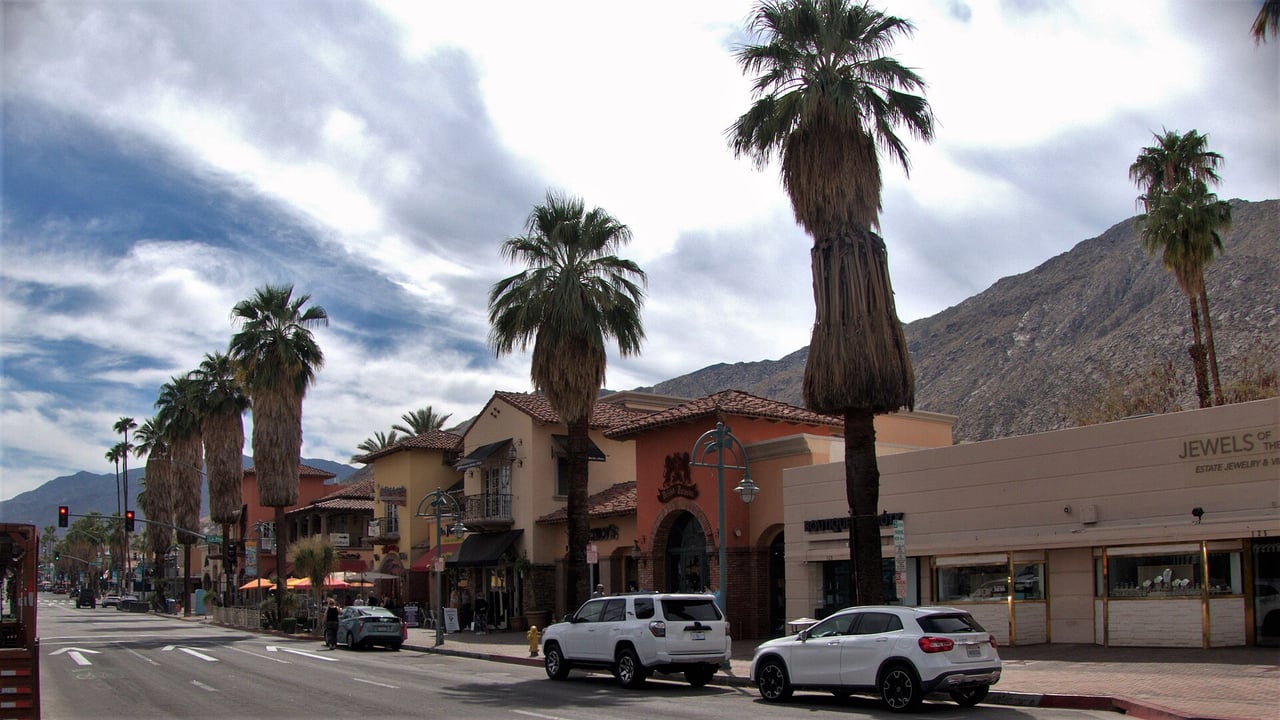
3 Reasons You May Not Want to Move to the Palm Springs Area
Rancho Mirage Tommy Jordan August 4, 2026
Rancho Mirage Tommy Jordan August 4, 2026
The Palm Springs area can look almost effortless during the winter: warm afternoons, mountain views, pools, golf, outdoor dining, and blue skies that seem to last for weeks.
That picture is real, but it is not the whole year. A buyer who visits only from January through March may not experience the conditions that most affect full-time living, long-term ownership costs, or peace of mind.
This is not an argument that the desert is a bad place to live. It is the honest counterpoint to our guide on why people are moving to the Palm Springs area. A strong relocation decision should account for both the appeal and the trade-offs.
The three biggest concerns Tommy raises are extreme summer heat, California's tax-and-cost structure, and earthquake exposure. None automatically disqualifies the area, but each deserves serious planning before you buy.
The Palm Springs area may not be the right fit if you cannot tolerate extreme summer heat, have not evaluated how California taxes and ownership costs affect your finances, or are uncomfortable living near active earthquake faults. Seasonal residents may avoid much of the summer heat, but full-time buyers should evaluate the home's cooling performance, recent utility history, insurance options, tax consequences, and emergency preparedness before purchasing.
This guide combines Tommy Jordan's local observations with current information from NOAA, Ready.gov, the California Franchise Tax Board, the California Department of Tax and Fee Administration, the U.S. Geological Survey, and the California Department of Insurance.
Tommy's clearest warning is the summer heat. His point is straightforward: if you strongly dislike hot weather, the desert may not be a good full-time fit.
“If you don't like heat, then this might not be the place for you.” — Tommy Jordan
NOAA's 1991–2020 climate normals for Palm Springs Regional Airport show an average daily high of 108.6 degrees Fahrenheit in July and 108.1 degrees in August. Those are monthly averages, not record temperatures, so individual days can be hotter.
For a seasonal owner who leaves during the summer, that may be manageable. For a full-time resident, an outdoor worker, someone with heat-sensitive health concerns, or a household with pets, the heat changes how the day is organized. Ready.gov advises avoiding high-energy activity during midday heat when possible, staying hydrated, finding shade, and having a reliable cooling option.
The most important question is not whether the desert gets hot. It is whether you are comfortable adapting your routines and your home to that heat.
Do not evaluate a desert home only by how it feels during a February showing. A summer visit, a detailed inspection, and a review of operating history can reveal much more about whether the property fits full-time living.

Photo by Jsayre64, CC BY-SA 3.0, via Wikimedia Commons.
The second concern is financial. Buyers moving from a state with no personal income tax may notice the difference most clearly, but every household should review the complete cost of establishing a California residence and owning a desert property.
For the 2025 tax year, California's personal income tax schedules range from 1 percent to 12.3 percent. The Franchise Tax Board also explains that an additional 1 percent tax applies to the portion of taxable income above $1 million, creating a maximum personal income tax rate of 13.3 percent.
Residency is especially important. The Franchise Tax Board states that California residents are taxed on income regardless of source. Whether someone is a resident is fact-specific, and part-year residents are generally taxed on all income received while resident plus California-source income received while nonresident.
Sales tax varies by city and district. The California Department of Tax and Fee Administration lists a 9.250 percent sales-and-use tax rate for Palm Springs and 8.750 percent for Palm Desert, effective July 1, 2026. Those rates can change, and the correct rate depends on the location of the transaction.
Taxes are only one part of the budget. A desert homeowner may also need to account for summer electricity, insurance, pool service, landscaping, HOA dues, club costs, pest control, home monitoring, and reserves for major systems.
Real estate guidance can help you compare homes and communities, but it is not a substitute for individualized tax or legal advice. Complete that planning before the move rather than assuming a second-home schedule automatically determines residency.
Planning a move to the desert?
Start with the FREE Palm Springs Area Relocation Guide, then compare cities, ownership costs, and the kind of home that fits your full-time or seasonal plans.
The Palm Springs area sits near active faults, including the southern San Andreas Fault system. Buyers should understand that risk without treating a long-term average as a countdown clock.
The U.S. Geological Survey reports that large earthquakes along the southernmost San Andreas, from Palm Springs toward the Salton Sea, have occurred about every 200 to 300 years on average. The most recent event in that section occurred roughly 300 years ago. USGS also emphasizes that faults do not behave like clocks and that scientists cannot predict exactly when, where, or how large the next earthquake will be.
For a buyer, the practical issue is preparedness. The California Department of Insurance states that homeowners, renters, and condominium policies generally do not cover earthquake damage. Earthquake insurance is separate, optional coverage, and its price and deductible can vary based on location, construction, replacement cost, and the policy selected.
Earthquake risk does not mean every home is unsafe, and it does not mean a major event is imminent. It means buyers should make an informed decision about construction, insurance, preparedness, and their own tolerance for risk.

San Andreas Fault graphic by the U.S. Geological Survey. Public domain. View the original source.
You may want to reconsider—or at least slow the process down—if any of these describe your situation:
Thinking twice does not always mean deciding against the move. It may mean choosing a seasonal home instead of a full-time residence, buying a lower-maintenance property, selecting a home with stronger energy performance, or revising the budget before shopping.
For many buyers, yes. The same area that has severe summers also offers warm winters, mountain scenery, distinctive architecture, golf, outdoor recreation, and a more relaxed pace than many large California markets.
Tommy's conclusion in the source video is that heat is the most significant drawback. Taxes require planning, and earthquake risk requires informed preparation, but he does not view those issues as reasons every buyer should stay away.
The right question is not whether the Palm Springs area is universally good or bad. It is whether the climate, costs, risk profile, housing choices, and seasonal rhythm align with how you intend to live.
For the other side of the decision, read 5 Reasons People Are Moving to the Palm Springs Area. Considering both articles will give you a more complete starting point than relying on either a postcard image or a list of warnings alone.
For many full-time residents, the biggest downside is extreme summer heat. NOAA's 1991–2020 normals for Palm Springs Regional Airport show average daily highs above 108 degrees Fahrenheit in July and August.
No. Winters are generally mild, which is a major reason the area attracts seasonal residents. The challenge is the summer, when daily routines often shift toward early mornings, indoor afternoons, pools, and air-conditioned spaces.
For the 2025 tax year, California's personal income tax schedules range from 1 percent to 12.3 percent. An additional 1 percent applies to taxable income over $1 million, resulting in a maximum personal income tax rate of 13.3 percent. Individual liability depends on income, filing status, residency, deductions, and other circumstances.
No single fact automatically determines residency. The California Franchise Tax Board considers whether a person is present in California for other than a temporary or transitory purpose or is domiciled in California while outside the state temporarily. Buyers with homes, businesses, or income in more than one state should seek individualized tax advice.
No. The U.S. Geological Survey says scientists cannot predict the exact time, location, or magnitude of a future earthquake. Historical recurrence information helps evaluate long-term hazard, but it is not a countdown.
Generally, no. The California Department of Insurance states that standard homeowners, renters, and condominium policies do not cover earthquake damage. Separate earthquake coverage is available, with limits, deductibles, and exclusions that should be reviewed carefully.
Yes, especially if the home will be your primary residence. A summer visit helps you evaluate the climate, the home's afternoon exposure, driving and errands, outdoor routines, and whether you are comfortable with the way daily life changes during the hottest months.
Tommy Jordan is a California real estate agent (CA DRE #01887038) and leads The Tommy Jordan Group at eXp Realty (CA DRE #02187306). He helps buyers and sellers throughout Palm Springs, Palm Desert, Rancho Mirage, Indian Wells, La Quinta, and the greater Coachella Valley, and is known for honest local guidance and practical relocation advice. Learn more about Tommy Jordan or watch the Tommy Jordan | Palm Springs Area Living YouTube channel.

If you're thinking about moving to the Palm Springs area, our team is here to help make the process simple and stress free.
We've helped hundreds of buyers relocate to the Palm Springs area, and we'd love to help you find the right home and community for your lifestyle.
Start by getting your FREE Palm Springs Area Relocation Guide:
https://tommyjordanre.com/relocation-guide
Have questions or ready to start your home search?
Call or Text: (760) 469-9182
Email: [email protected]
Whether you're moving next month or just starting your research, we're here to help every step of the way.
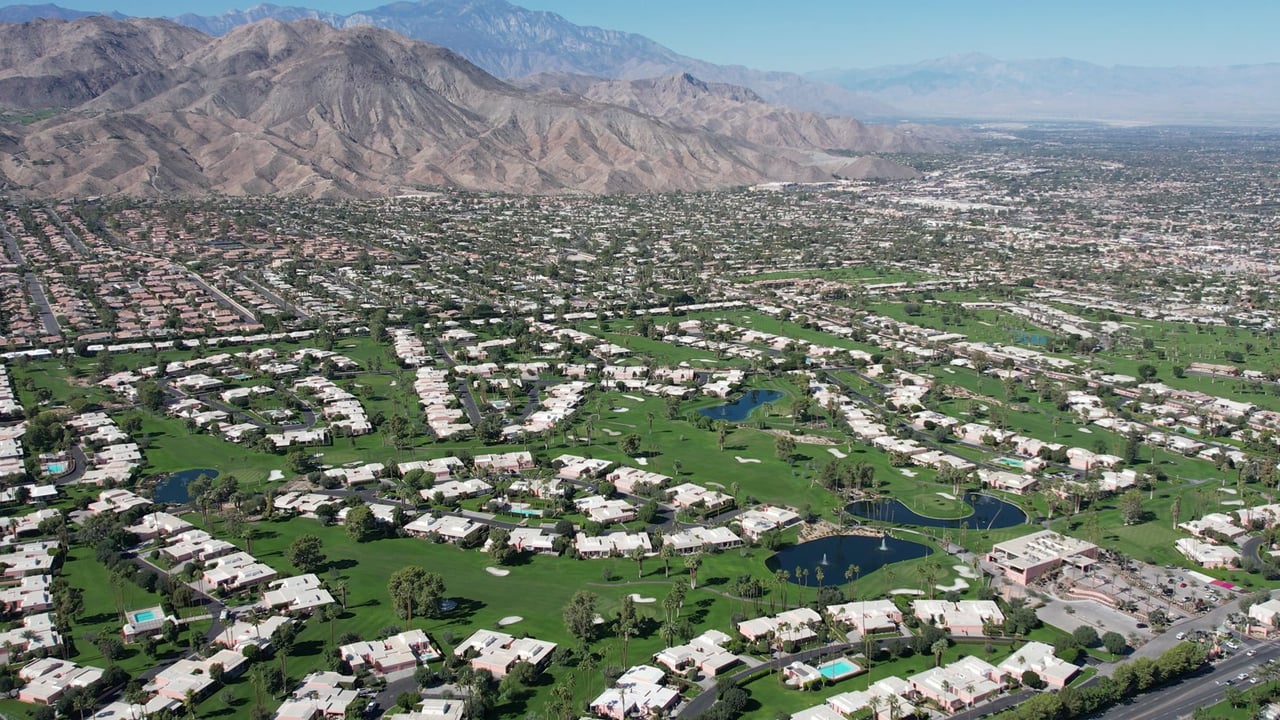
Palm Springs
How summer heat, winter seasonality, home maintenance, carrying costs, community rhythm, and California residency questions change when the desert is your primary home… Read more
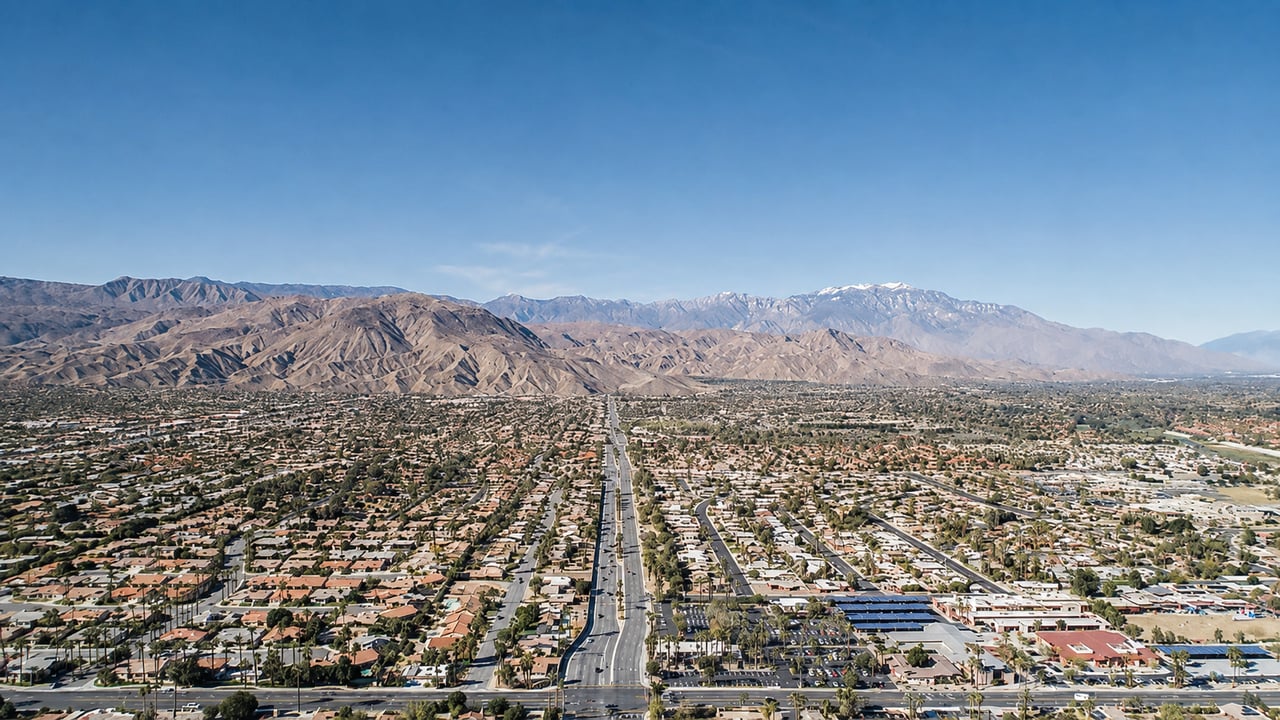
Construction is underway near Highway 111, but sales have not opened yet. Here is what Shea Homes has published so far about pricing, home sizes, architecture, ameniti… Read more
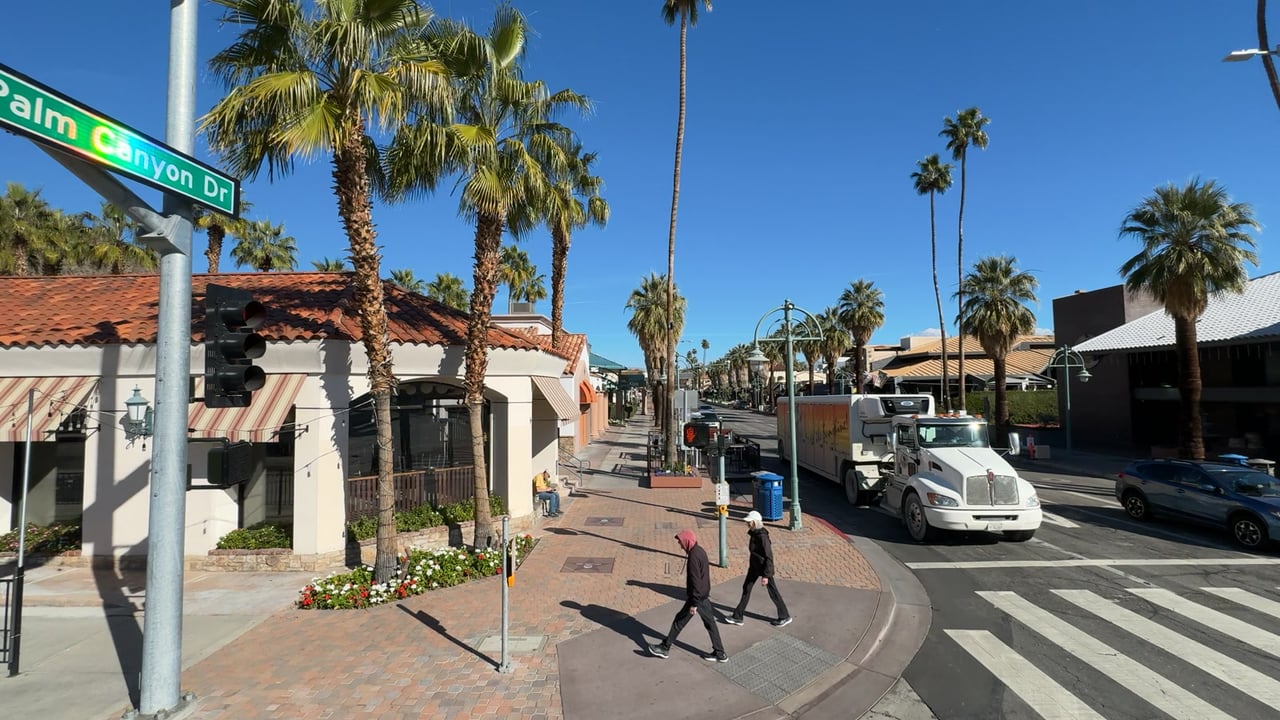
Palm Springs
What buyers should know about everyday driving, I-10 vs. Highway 111, seasonal congestion, event traffic, weather closures, transit, and testing real routes before cho… Read more
With ten years of experience as a licensed agent, Tommy is an innovator in utilizing social media marketing to help sell homes. He has a successful YouTube channel with thousands of subscribers, generating hundreds of thousands of views yearly. He stays updated on the latest marketing techniques and ensures each property stands out.
Contact Tommy to Learn More

74801 Hovley Ln E. Palm Desert, CA 92260 Tommy Jordan | CA DRE# 01887038