Short-Term vs. Long-Term Rentals in the Palm Springs Area: Which Strategy Fits You?
Palm Springs Tommy Jordan August 20, 2026
Palm Springs Tommy Jordan August 20, 2026
Choosing between a short-term rental and a long-term rental in the Palm Springs area is not just a question of which one can produce more gross income. The two strategies operate differently, carry different legal and management responsibilities, and fit different types of owners.
A short-term rental can give an owner more pricing flexibility and more opportunities for personal use, but it also brings frequent turnovers, guest communication, local permit rules, tax filings, and more day-to-day coordination. A long-term rental can reduce turnover and create a more predictable occupancy pattern, but the home is committed to a tenant for longer periods and California landlord-tenant law becomes a much bigger part of the ownership plan.
The right choice depends on the exact property, the city and HOA rules, how hands-on you want to be, how often you want to use the home yourself, and whether the numbers still work after realistic expenses.
Short-term rentals usually fit owners who value flexibility and are comfortable running a more active hospitality-style operation. Long-term rentals usually fit owners who prefer fewer turnovers and a steadier lease structure, even though they give up more day-to-day control of the home while a tenant is in place.
Neither strategy is automatically more profitable. Compare net income, not headline rent. Before buying, confirm that the exact property is eligible for the rental strategy you plan to use and that the HOA, insurance, financing, and ownership costs all support it.
Short-term renting generally requires more active management, while a longer-term lease reduces frequent guest turnover. But workload is only one part of the decision. Your personal-use plans, city and HOA rules, property type, cash flow, and exit strategy all matter.
Before you compare projected rent, decide what you want the property to do for you. Is it primarily an investment? A second home you also want to rent? A future retirement home? A property you may need to sell on short notice? Those answers change which strategy makes sense.
If you are still evaluating whether a rental purchase makes sense at all, start with our Palm Springs area vacation-rental buyer guide. That article covers purchase due diligence, HOA review, operating costs, management, and exit planning. This guide stays focused on the operating-strategy decision.
A short-term rental is closer to a small hospitality business than a traditional lease. The owner or manager has to handle pricing, reservations, cleaning, guest questions, maintenance, reviews, local contacts, and compliance.
That extra work can come with more pricing flexibility. Rates can change by season, event calendar, weekday versus weekend demand, property condition, amenities, reviews, and competition. But that does not mean a short-term rental will automatically outperform a long-term lease. A strong gross-revenue month can be offset by vacancy, cleaning, utilities, pool heating, platform fees, management, repairs, supplies, taxes, and permit costs.
Local rules matter just as much as demand. Palm Springs regulates vacation rentals through its city program, including changes adopted in July 2026. Palm Desert regulates short-term rentals by zoning and property type, while La Quinta limits new STVR permits to exempt areas, Homeshare permits, and qualifying Large Lot properties. The exact parcel and HOA have to be checked before you rely on short-term-rental income.
For Palm Springs-specific permit, cap, operating, and tax rules, use our Palm Springs Vacation Rental Rules Guide in Plain English.
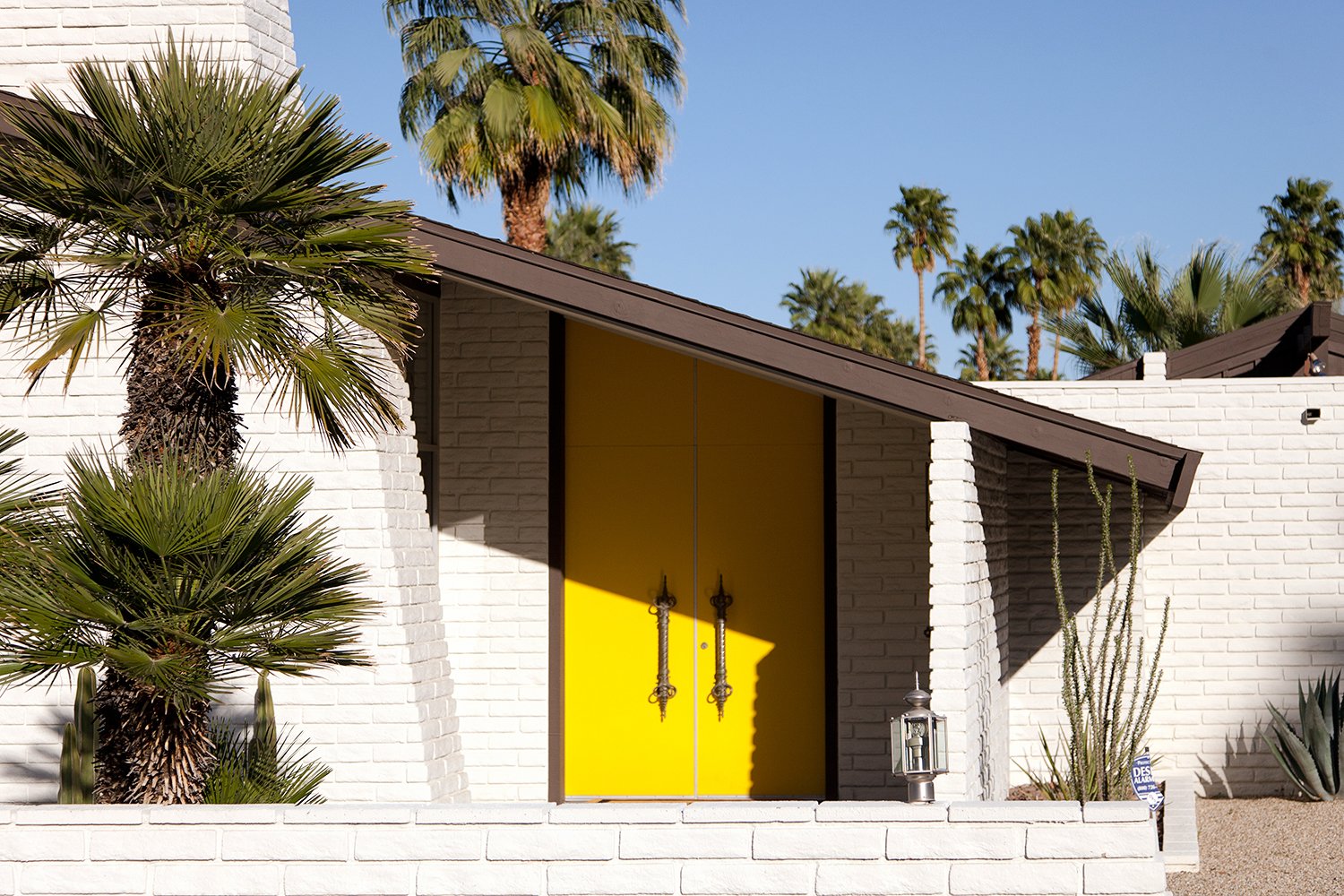
Palm Springs Modern. Photo by Visitor7, CC BY-SA 3.0, via Wikimedia Commons.
A long-term rental usually has fewer guest turnovers, fewer cleanings, and less constant repricing. Once a qualified tenant is in place, the operating rhythm can be more predictable than a short-term rental.
That does not make it passive. A landlord still needs a sound lease, tenant screening, rent collection, repair response, insurance, accounting, property management when applicable, and a reserve for major systems. California landlord-tenant rules also govern issues such as rental agreements, security deposits, access, repairs, notices, and the eviction process.
The biggest lifestyle trade-off is access. If you lease the property to a long-term tenant, you cannot treat the home like a vacation property you can use whenever you want. Owners who expect to spend part of each season in the desert may find that a traditional long-term lease conflicts with their personal-use plans.
The cleanest way to compare the two strategies is to underwrite the same property twice.
Then compare annual net cash flow under conservative assumptions. Do not give the short-term model perfect occupancy and the long-term model a full year of rent with no vacancy or repairs. Stress-test both.
If you are buying from out of the area, the operating model should also reflect how much local support you will actually need. Our FREE Palm Springs Area Relocation Guide can help you compare cities and communities before you start touring homes.
Many Palm Springs-area buyers are not choosing between two pure investments. They want a home they can enjoy themselves and rent when they are away.
That usually makes flexibility more important. A short-term or seasonal strategy may allow more control over the calendar, while a long-term lease provides much less spontaneous access. On the other hand, holding prime winter dates for personal use can remove some of the strongest potential rental periods from a short-term model.
Personal use also affects tax treatment. IRS Publication 527 explains that rental-property reporting can change when a dwelling is also used personally. Before buying, a CPA or qualified tax professional should review how your expected personal-use days, rental activity, ownership structure, and depreciation fit together.
A strong rental strategy starts with a home that fits the intended use.
For short stays, guests may place more value on a private pool, outdoor space, parking, bedroom layout, updated systems, and easy access to the places they came to visit. Those same features can also raise operating costs. Pools, landscaping, HVAC systems, furniture, and outdoor amenities all need ongoing maintenance.
Before you rely on a pool, HVAC system, or outdoor setup as part of the rental plan, use our Palm Springs area home inspection checklist to review desert-specific systems and specialist follow-up.
For a longer-term tenant, durability, storage, parking, utility costs, practical floor plan, school or employment access, and HOA rules may matter more than a resort-style presentation.
Condos can reduce some exterior maintenance, but HOA rental restrictions can completely change the analysis. Detached homes may offer more privacy and flexibility but leave more maintenance responsibility with the owner. Verify the HOA rules before you choose the strategy, not after closing.
Rental restrictions are only one part of the property-level review. Our guide to 5 overlooked things to know before buying in the Palm Springs area covers other ownership issues that can change the cost and experience of the home, including land ownership and HOA obligations.
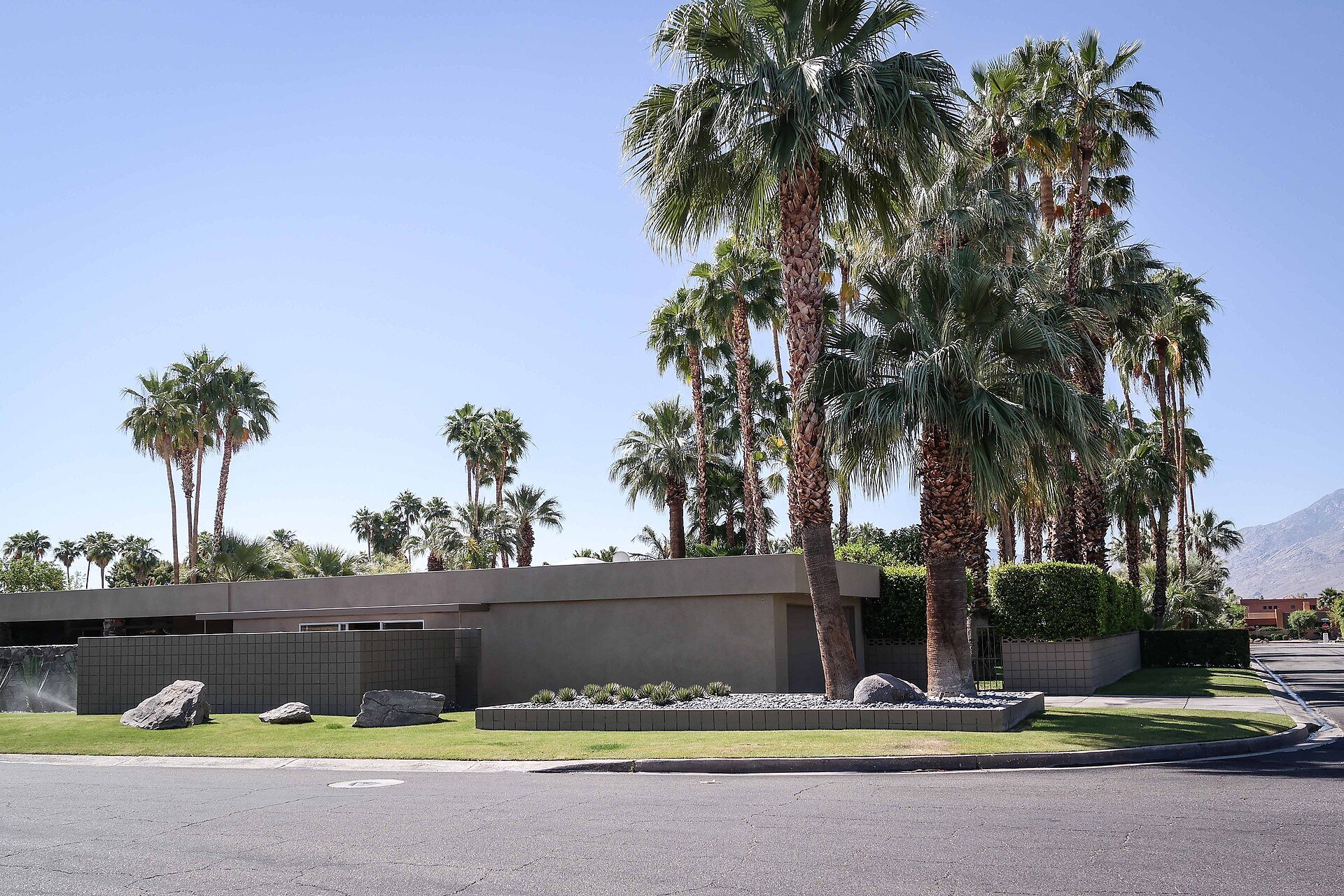
Mid-century modern house in Palm Springs. Photo by Wgreaves, CC BY-SA 4.0, via Wikimedia Commons.
Short-term rentals carry more exposure to local permit rules, neighborhood caps, operating restrictions, platform changes, reviews, seasonal demand, and frequent guest turnover. A property that works well today can become a different investment if permit eligibility or operating rules change.
Long-term rentals are less exposed to nightly booking swings, but they bring tenant-related risk, longer periods without owner access, legal notice requirements, collection issues, and the possibility that repairs or possession disputes take time to resolve.
Neither risk profile is automatically better. The question is which one you understand, can manage, and can afford when something goes wrong.
A rental property is stronger when it has more than one acceptable use.
Before buying, ask whether the home still works if short-term-rental rules tighten, if long-term rents soften, if insurance costs increase, if a major HVAC or pool repair hits, or if you decide you want to use the property yourself.
It is also worth asking whether the home would appeal to a future owner who does not care about the current rental history. A good real estate purchase should not depend entirely on one operating model.
If the property is on leased land, include the remaining lease term, ground-rent structure, financing, and resale implications in that exit analysis. Our Palm Springs lease-land vs. fee-simple guide explains those ownership differences in more detail.
There is no reliable area-wide answer. A short-term rental may have higher gross-revenue potential in strong periods, but it also has more variable occupancy and more operating expenses. A long-term lease may produce lower gross rent but fewer turnovers and a simpler operating pattern. Compare current property-specific net cash flow under conservative assumptions.
No. Rules vary by city, zoning, property type, permit availability, and HOA. Confirm the exact parcel and current rules before relying on short-term-rental income.
Not necessarily. Longer leases reduce guest turnover, but owners still have landlord responsibilities, maintenance, accounting, tenant communication, legal obligations, and potential vacancy or collection issues.
Often you can change strategies, but only if the city, HOA, lease, lender, insurer, and property economics allow it. Do not buy on the assumption that every alternative rental term will automatically be available.
Seasonal and mid-term rentals can sit between the two models, with fewer turnovers than nightly stays and more calendar flexibility than a year-long lease. The legal definition and tax treatment depend on the length of stay and jurisdiction, so verify the exact rules before advertising.
Neither is automatically better. Condos may reduce some maintenance but add HOA rental restrictions, shared-wall considerations, association insurance, and financing questions. Detached homes may offer more privacy and outdoor space but put more maintenance and operating costs on the owner.
Tommy Jordan is a California real estate agent (CA DRE #01887038) and leads The Tommy Jordan Group at eXp Realty (CA DRE #02187306). He helps buyers and sellers throughout Palm Springs, Palm Desert, Rancho Mirage, Indian Wells, La Quinta, and the greater Coachella Valley. Learn more about Tommy Jordan or watch the Tommy Jordan | Palm Springs Area Living YouTube channel.

If you're thinking about moving to the Palm Springs area, our team is here to help make the process simple and stress free.
We've helped hundreds of buyers relocate to the Palm Springs area, and we'd love to help you find the right home and community for your lifestyle.
Start by getting your FREE Palm Springs Area Relocation Guide:
https://tommyjordanre.com/relocation-guide
Have questions or ready to start your home search?
Call or Text: (760) 469-9182
Email: [email protected]
Whether you're moving next month or just starting your research, we're here to help every step of the way.
Palm Springs
How summer heat, winter seasonality, home maintenance, carrying costs, community rhythm, and California residency questions change when the desert is your primary home… Read more
Construction is underway near Highway 111, but sales have not opened yet. Here is what Shea Homes has published so far about pricing, home sizes, architecture, ameniti… Read more
Palm Springs
What buyers should know about everyday driving, I-10 vs. Highway 111, seasonal congestion, event traffic, weather closures, transit, and testing real routes before cho… Read more
With ten years of experience as a licensed agent, Tommy is an innovator in utilizing social media marketing to help sell homes. He has a successful YouTube channel with thousands of subscribers, generating hundreds of thousands of views yearly. He stays updated on the latest marketing techniques and ensures each property stands out.
Contact Tommy to Learn More

74801 Hovley Ln E. Palm Desert, CA 92260 Tommy Jordan | CA DRE# 01887038